Walmart Shifts Inbound Freight Control to Consolidators
 By Freddie Bolton · Jun 15, 2026 · 3 min read
Walmart is directing more suppliers toward a centralized consolidation model that replaces fragmented less-than-truckload shipments with coordinated full-truckload deliveries to a single intake point. The shift reduces per-unit transportation costs for small and mid-sized suppliers while simplifying inventory flow into Walmart's distribution network.
For suppliers shipping partial loads to dozens of regional distribution centers, the cost structure is punishing. Case-picking labor, pallet building, paperwork processing, and LTL pricing compound across every destination. The new consolidation option eliminates that repetition by routing freight through a logistics provider who aggregates volume and delivers in truckload quantities.
Case-Picking Cost Compression
The operational savings center on warehouse labor and transportation density. Noah Hoffman, VP for retail logistics at C.H. Robinson, explained the mechanics in written responses to The Supply Chainer: "For suppliers who are unable to ship in full truckload quantities to Walmart, it can be a substantial cost to handle their products at their own warehouses and ship them by parcel or less-than-truckload to Walmart's 42 regional distribution centers. If I'm a small supplier, one of my highest warehouse costs in serving a large retail chain is case-picking. When I get an order for two cases, I'm paying someone to grab two cases of that product, combine it with two or three other products in order to build a pallet, label the pallet and manage the paperwork for getting it on a truck. Multiply that by 42 Walmart distribution centers. By giving suppliers an option to consolidate their freight with us for delivery to one location, it saves them on labor and the transportation because we can create density by combining it with other freight headed to Walmart to more efficiently and cost-effectively ship by truckload."
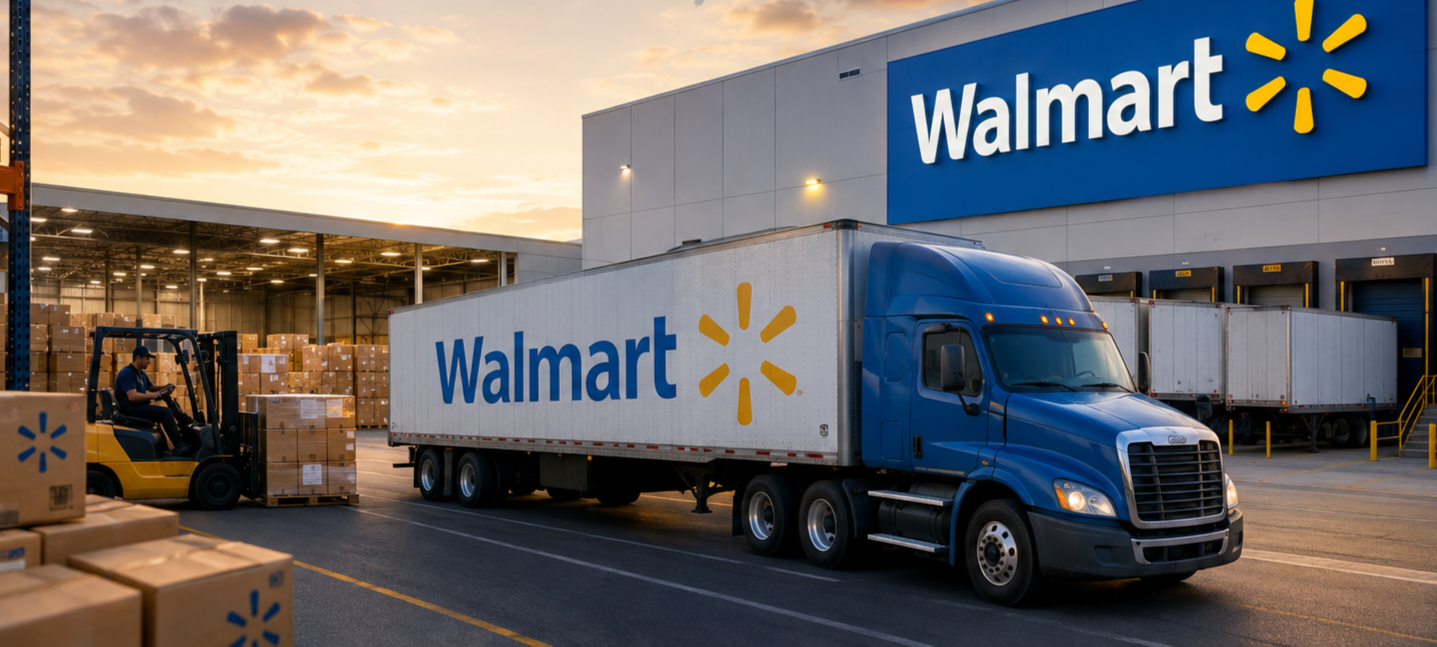
C.H. Robinson has operated as a Walmart consolidator since 1999 and now advises suppliers on which inbound model delivers better economics based on volume, inventory positioning, and order frequency. High-volume shippers with optimized flows may continue using original consolidation paths, while smaller suppliers gain margin relief through the prepaid program.
Retailer-Led Logistics Becomes Infrastructure
The model reflects a broader industry pattern where large retailers manage inbound freight coordination rather than leaving transportation decisions entirely to suppliers. Preferred logistics provider arrangements concentrate volume, improve visibility, and introduce operational consistency across supplier networks.
Mike Gray, Senior Vice President of Supply Chain at Walmart U.S., told Supply Chain Dive: "We're focused on making our supply chain simpler, faster and more efficient for suppliers, while also keeping products in stock for our customers. By strengthening our first-mile capabilities, we're reducing complexity and keeping goods moving, so we can deliver even more value every day."
Hoffman noted the strategic alignment with Walmart's pricing strategy: "This aligns with Walmart's 'Every Day Low Price' strategy. If suppliers can reduce their costs, it helps keep Walmart's prices down for the end consumer. The more efficient their inbound supply chain is, it also improves speed to market and keeps more goods in stock, which can lead to higher sales."
Trading Autonomy for Cost Predictability
Freight consolidation also shifts transportation variability away from individual suppliers. By pooling volume through a single logistics provider, Walmart gains tighter control over receiving schedules, load characteristics, and carrier performance while suppliers avoid navigating 42 separate delivery appointments and detention risk.
The model trades supplier autonomy for cost predictability. Suppliers cede routing decisions but gain access to truckload economics and professional freight management without building those capabilities in-house. For Walmart, the trade delivers more consistent inbound flow and better inventory availability across the distribution network.
Hoffman emphasized the advisory role consolidators play: "Our role is not only to serve their suppliers through this new program but also to advise suppliers on which of Walmart's inbound inventory options is most advantageous for them. For many suppliers, particularly small and mid-sized, the new program offers meaningful efficiencies."
The program is still new for participating suppliers, limiting available feedback on execution performance and cost outcomes. Early adoption signals suggest the model delivers the greatest value for suppliers with limited logistics infrastructure and low per-destination volumes, where case-picking labor and LTL pricing create the steepest margin pressure.
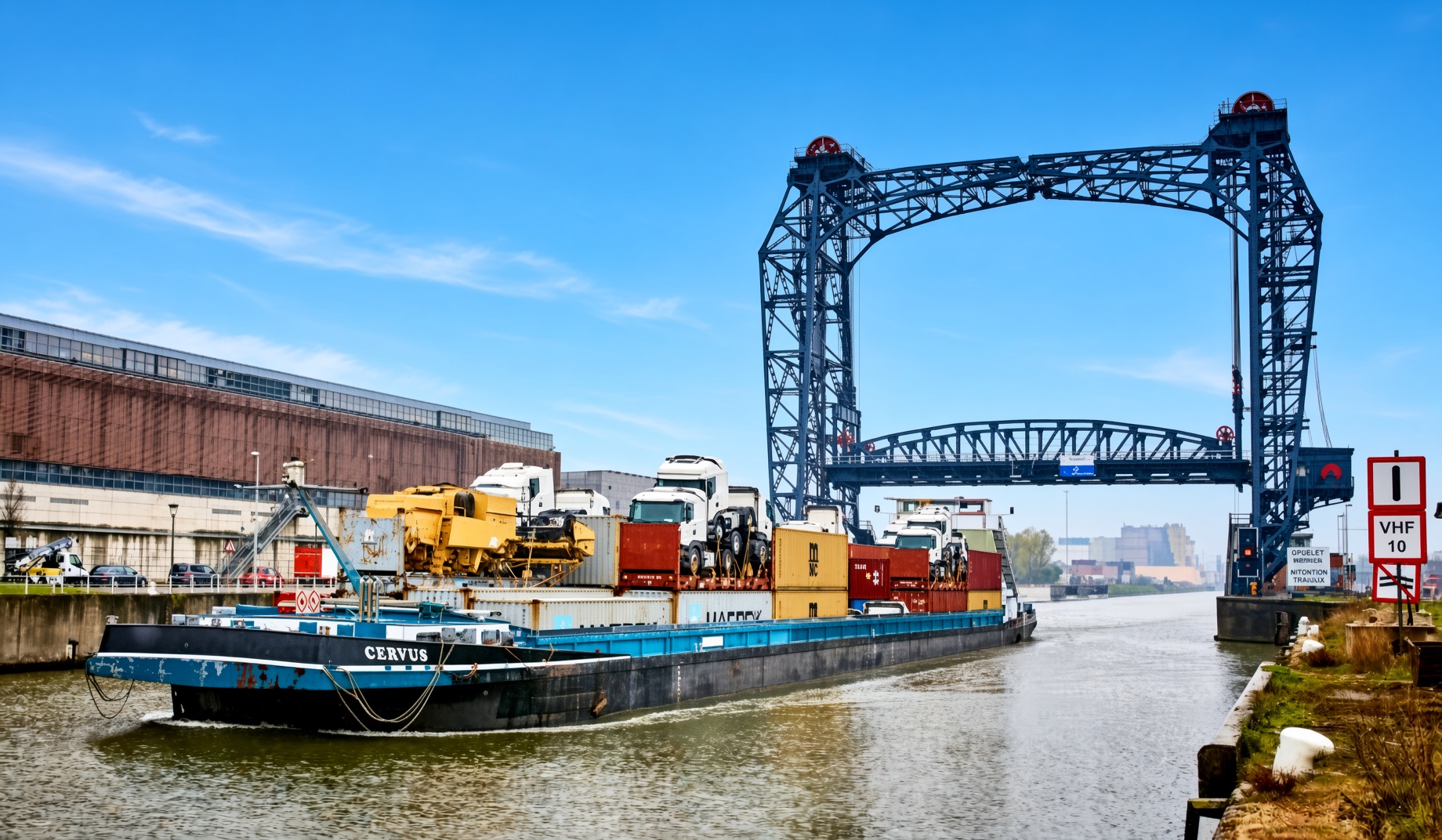
Port of Brussels Sees Inland Waterways Gain Ground as European Importers Rethink Freight Resilience
Aug 14, 2026
Electric Yard Trucks Cross the Tipping Point - but Only Where the Numbers Work
Aug 10, 2026