Electric Yard Trucks Cross the Tipping Point - but Only Where the Numbers Work
 By Aanchal Ghatak · Aug 10, 2026 · 3 min read
The diesel yard truck is being retired across North American logistics hubs, not because operators have gone green, but because the economics of keeping it are getting harder to defend. As energy costs remain volatile, maintenance complexity compounds, and sustainability reporting requirements tighten across supply chains, the electric yard truck has moved from innovation to expectation — at least for operators large enough to absorb the upfront investment. For the rest, the question is no longer whether to make the switch, but how to structure a transition that survives contact with the budget.
From First Deployment to Fleet Standard
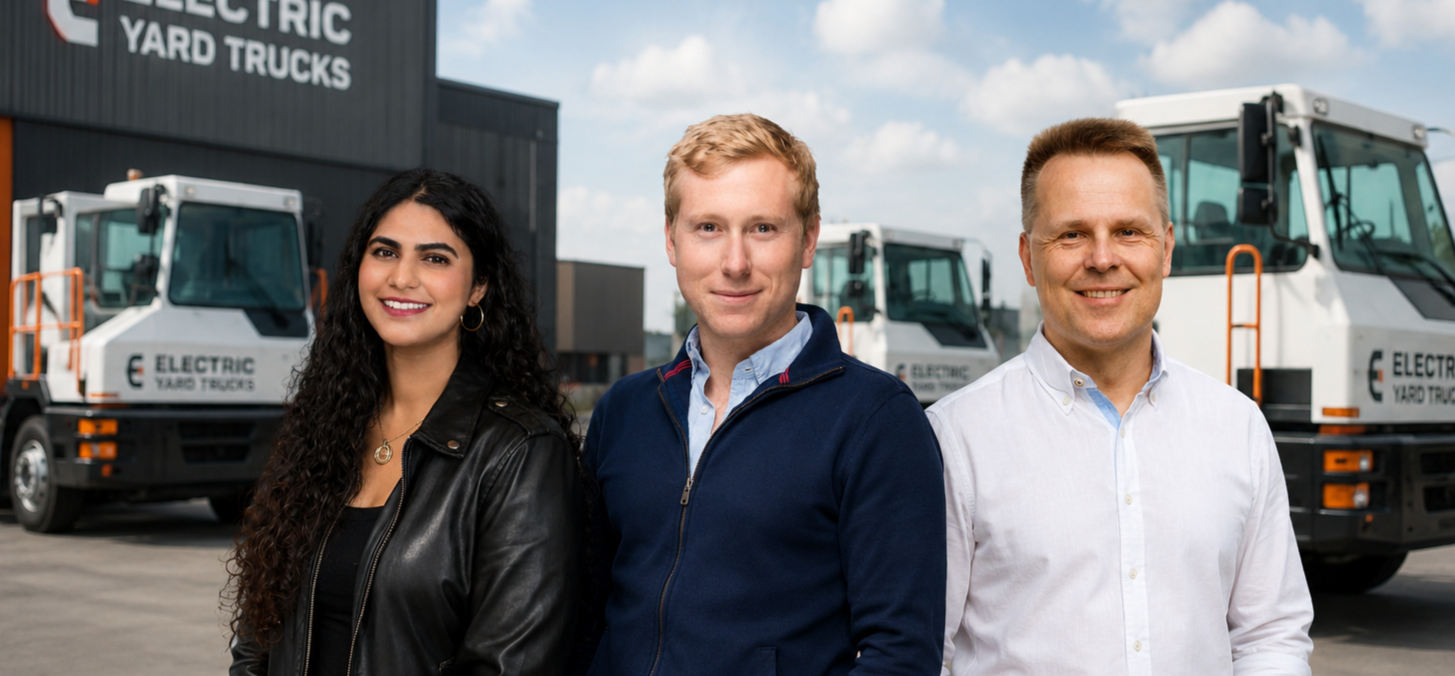
DHL Supply Chain has been running electric yard trucks in the US since 2015 — longer than almost any operator at scale in North America. Today, EVs are no longer a programme. They are the baseline.
Responding in writing to an inquiry from The Supply Chainer, Stephan Schablinski, Vice President of GoGreen, DHL Supply Chain North America, outlined why the transition has proven durable: "Transitioning from diesel to electric yard trucks is proving to be both an environmental and economic win. While the upfront investment is higher, most operations achieve payback within seven years — often sooner depending on utilization, energy prices, and incentives. The biggest advantage comes from energy efficiency: electric yard trucks use significantly less energy per move and eliminate idling losses common in diesel operations, driving down cost per move. Maintenance savings further strengthen the business case. With fewer moving parts, no engine, and reduced brake wear, servicing needs are lower and more predictable." Schablinski added: "The majority of our yard trucks in North America are now electric, validating our progress in turning sustainability ambition into operational reality."
The Workforce Effect
The operational case extends beyond cost. Kevin Ledversis, VP of Sales at Newcastle Systems — a provider of mobile powered industrial carts used by organisations including Walmart, UPS, and Tesla — told The Supply Chainer that the shift to EV yard equipment is reshaping warehouse culture as much as day-to-day operations. Electric equipment produces less noise and fewer fumes, creating a cleaner environment where teams communicate and execute more effectively. For the emerging workforce, ESG commitments and modern technology are increasingly a factor in where people choose to work. Ledversis noted that for many organisations he works with, EV adoption is not a question of if but when — aligning with broader moves toward lithium-battery forklifts and autonomous robotics inside the same facilities.
Sustainability Has to Earn Its Place in the Budget
The consensus across operators and advisers is that green transitions succeed when framed as efficiency initiatives, not environmental ones.
Amrita Bhasin, co-founder and CEO of Sotira, replied in writing to The Supply Chainer's inquiry with a direct assessment of what separates pilots from permanent change: "The logistics industry is committed to accelerating sustainability commitments but financial recovery and economics still matter in these conversations. Environmental benefit cannot be the sole benefit; companies need to see operational pain points are addressed or workflow logistics efficiencies are improved. Ultimately the sustainability commitments that pair financial unlock and waste reduction are the ones that will win. To move green logistics initiatives from pilot to standard practice at scale, companies need to view sustainability as embedded into all roles and teams rather than a separate one-time or ad hoc consideration. Sustainability should be a part of efficiency conversations, not just conversations the sustainability team is having in a silo."
Rich Pleeth, co-founder and CEO of Finmile, an AI logistics operating system, framed the same tension differently: the greenest mile is the one you never have to drive. Real-time route optimisation and smarter asset utilisation reduce wasted journeys before electrification enters the equation — making the shift to electric fleets both easier and more impactful when it does. Adoption accelerates, Pleeth observed, only where cutting emissions and cutting costs point in the same direction.
The operators reaching scale fastest are those who stopped treating sustainability as a separate workstream and started treating it as an operations problem.