U.S. Intermodal Volumes Rise 3.6% as Driver Shortage Squeezes Peak-Season Capacity
U.S. intermodal operators are heading into the 2026 peak season facing a capacity constraint that has little to do with containers or chassis - and everything to do with drivers.
The drayage sector, which moves containers between ports, rail terminals and customer facilities, is grappling with a shrinking pool of qualified commercial drivers just as import volumes begin their seasonal climb. Unlike over-the-road trucking, drayage requires drivers who can navigate terminal access systems, manage chassis pools, and absorb detention exposure when containers sit waiting at gates. Retirements, non-domiciled CDL requirements, and regulatory friction are all compressing the available driver base at precisely the wrong time.
According to the Association of American Railroads, U.S. intermodal volumes rose 3.6% year-to-date through the first 30 weeks of 2026. That growth is modest, but it lands on top of an already-tight labor market. The U.S. Bureau of Labor Statistics reported 298,000 job openings across transportation, warehousing and utilities in May 2026, while 76% of supply chain and logistics operations are experiencing notable workforce shortages, with warehouse operations among the hardest hit, according to Descartes.
Labor Constraints Hit Drayage Operations
Jennifer Shaffer, Vice President of Marketing and Public Relations at IMC Logistics, said in written responses to The Supply Chainer that the company is now addressing capacity concerns driven by the contraction of the eligible driver base. "This is due to many reasons including driver retirements, non-domiciled CDL requirements, etc.," Shaffer wrote. IMC Logistics specializes in container drayage, the first- and last-mile movement of containers between ports, rail terminals and customer facilities.
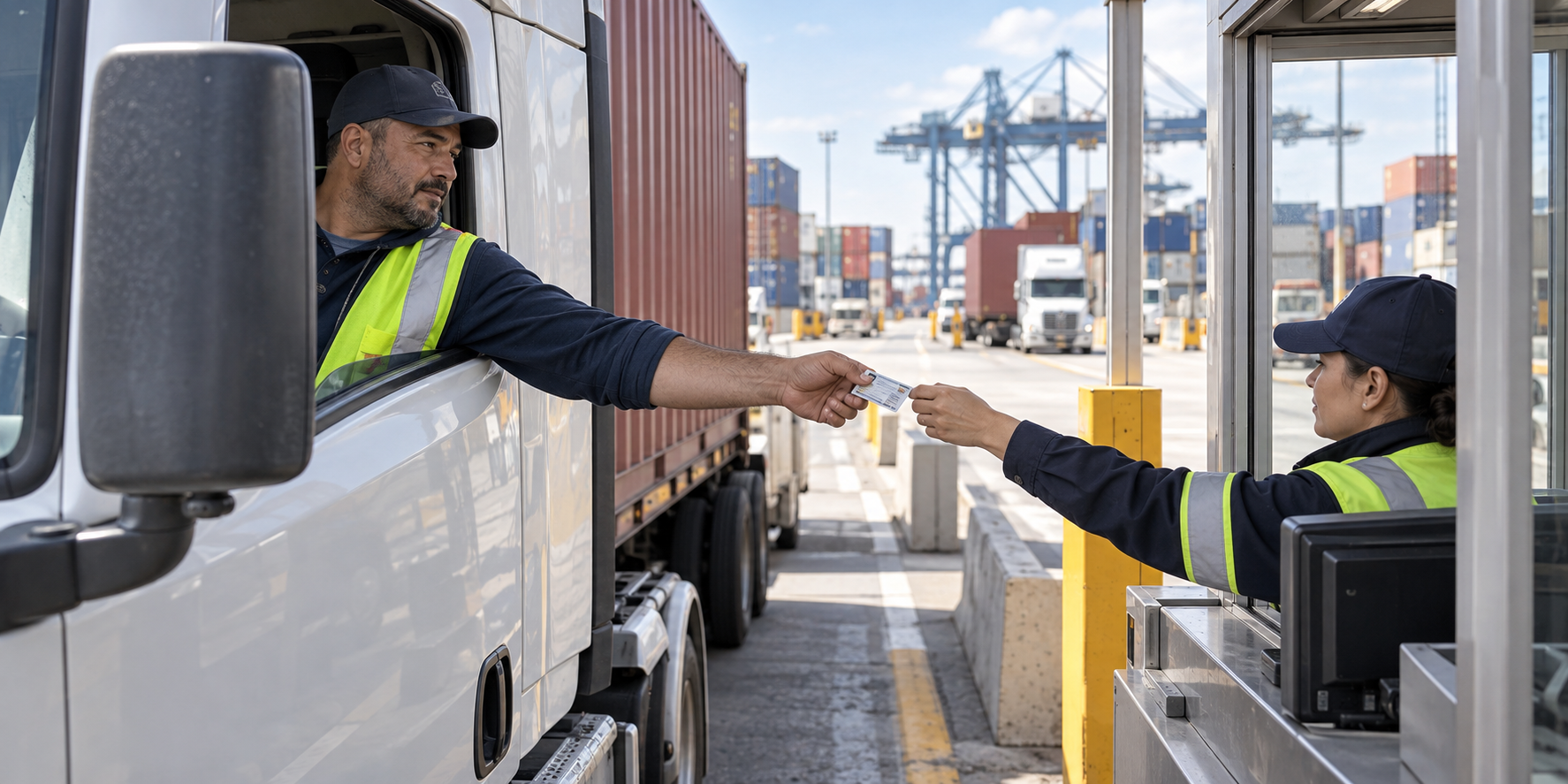
The timing is challenging. Peak season typically runs from late summer through early November, compressing import flows into a narrow window. Drayage operators must match port discharge schedules with driver availability while managing terminal turn times that extend during volume surges. When drivers are unavailable, containers accumulate at terminals, detention charges mount, and downstream distribution schedules slip.
Volatility Compounds Planning Pressure
The labor squeeze is unfolding against a backdrop of broader uncertainty. Ed Smith, Vice President of Distribution & Fulfillment at Averitt Express, told Averitt Point to Point Blog that heading into Q3, the story across distribution, warehousing and ports is volatility, not in the sense of any single disruption, but in how many forces are pulling inventory volumes in different directions at once. "Tariffs, geopolitical pressure, and a peak season that is shaping up shorter than usual are all converging on shippers' planning cycles simultaneously," Smith said.
Automation Offers Limited Relief
Many operators have looked to automation as a way to offset labor constraints, but enthusiasm has cooled. After several years of rushed post-pandemic automation deployments, companies are increasingly skeptical and now prioritize proven outcomes, vendor credibility, lifecycle support and implementation reliability before committing to new warehouse automation projects, according to industry analysis at Supply Chain Management Review.
For drayage operators, automation options remain limited. The work is geographically dispersed, requires human judgment at multiple handoff points, and depends on terminal infrastructure that varies widely across ports. That leaves driver recruitment, retention and scheduling as the primary levers available to manage capacity heading into peak.