U.S. Importers Face Renewed Headwinds at Chinese Ports Amid Tariff Volatility
 By Charles Weber · Jun 4, 2026 · 2 min read
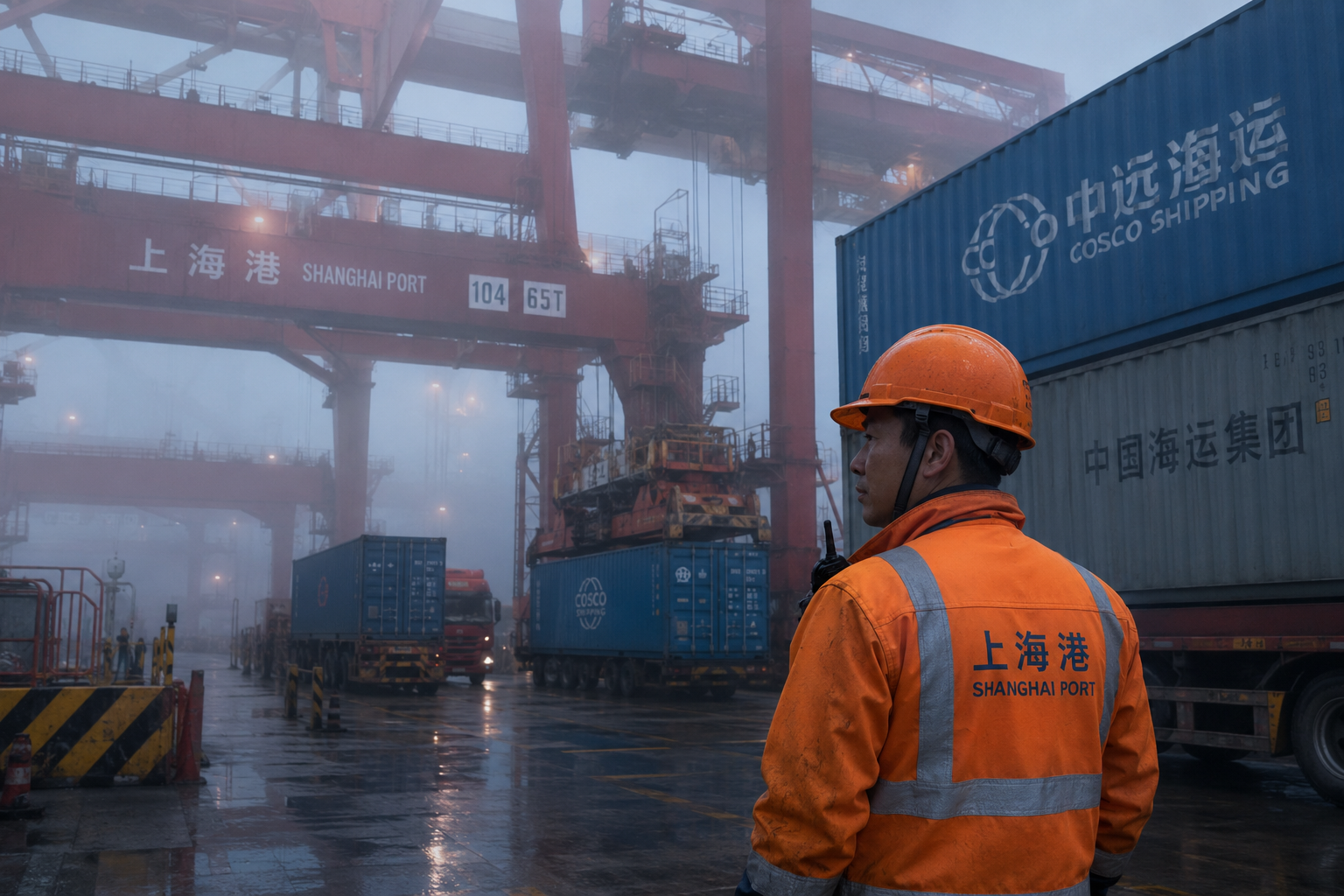
This week, early June 2026, foggy weather combined with heavy export rushes exacerbated congestion at Shanghai and Ningbo, pushing vessel waiting times to three to seven days at key terminals and disrupting critical apparel shipments for U.S. fast-fashion retailers.
American importers sourcing from China continue to navigate persistent logistical and regulatory challenges in trans-Pacific supply chains.
Port Operations Under Strain
Major hubs such as Shanghai Port and Ningbo-Zhoushan, two of the world's busiest container facilities, have seen recurring bottlenecks. Recent reports highlight average delays of 1.5 to 3 days amid berth congestion and weather impacts. These issues extend ocean transit times to U.S. West Coast ports and drive up demurrage fees.
Customs and Regulatory Pressures
U.S. tariffs alongside tightened Chinese export documentation requirements create layered compliance hurdles. Importers must manage precise HS classifications and origin verifications to avoid shipment holds.
Market Response and Diversification
Many U.S. companies are accelerating sourcing shifts to Southeast Asia while retaining strategic volumes in China for its unmatched scale.
A Supply Chain Director at a prominent American fast-fashion retailer, speaking on condition of anonymity due to lack of authorization, told to The Supply Chainer:
“The combination of recurring congestion at Shanghai and Ningbo-Zhoushan ports with evolving U.S. customs enforcement creates cascading delays that directly impact our ability to maintain lean inventory models essential for fast fashion. We have seen lead times extend by 7-14 days on key routes, forcing higher safety stock and margin compression. Regulatory uncertainty around tariffs requires constant scenario planning, making long-term supplier commitments more challenging than ever before. Our team is actively modeling alternatives but recognizes that China's manufacturing ecosystem remains irreplaceable for scale and speed in many categories.”
Chinese port operators acknowledge the importance of maintaining cargo flow during periods of disruption. Mao Jianhong, Chairman of Ningbo Zhoushan Port Group, speaking to China Daily, emphasized the need to preserve operational performance even under challenging conditions. “High working efficiency ensures smooth operation of cargo shipment,” Mao said while outlining measures designed to keep cargo moving through the port network.
U.S. container imports from China reached 639,300 TEUs in June 2025, down 28.3% year-over-year, with China's share of total U.S. imports falling to a four-year low of 28.8%. Additionally, recent data shows vessel waiting times at Shanghai and Ningbo averaging 1.5-3 days during congested periods.
The contrast between importer concerns over delays and Chinese port operators' focus on throughput highlights the complexity of today's trans-Pacific supply chain environment. While Chinese ports continue investing in efficiency and operational resilience, U.S. importers remain focused on mitigating the downstream impacts of congestion, customs scrutiny, and tariff uncertainty.
The trade lane anchored by powerhouse ports like Shanghai, Ningbo-Zhoushan, and Qingdao remains vital yet demanding for American importers. Success depends on agile risk management in port dynamics, customs compliance, and sea freight operations.