The World Cup Supply Chain Stress Test: Merchandise Challenges for Operations Teams
 By Charles Weber · Jun 13, 2026 · 2 min read
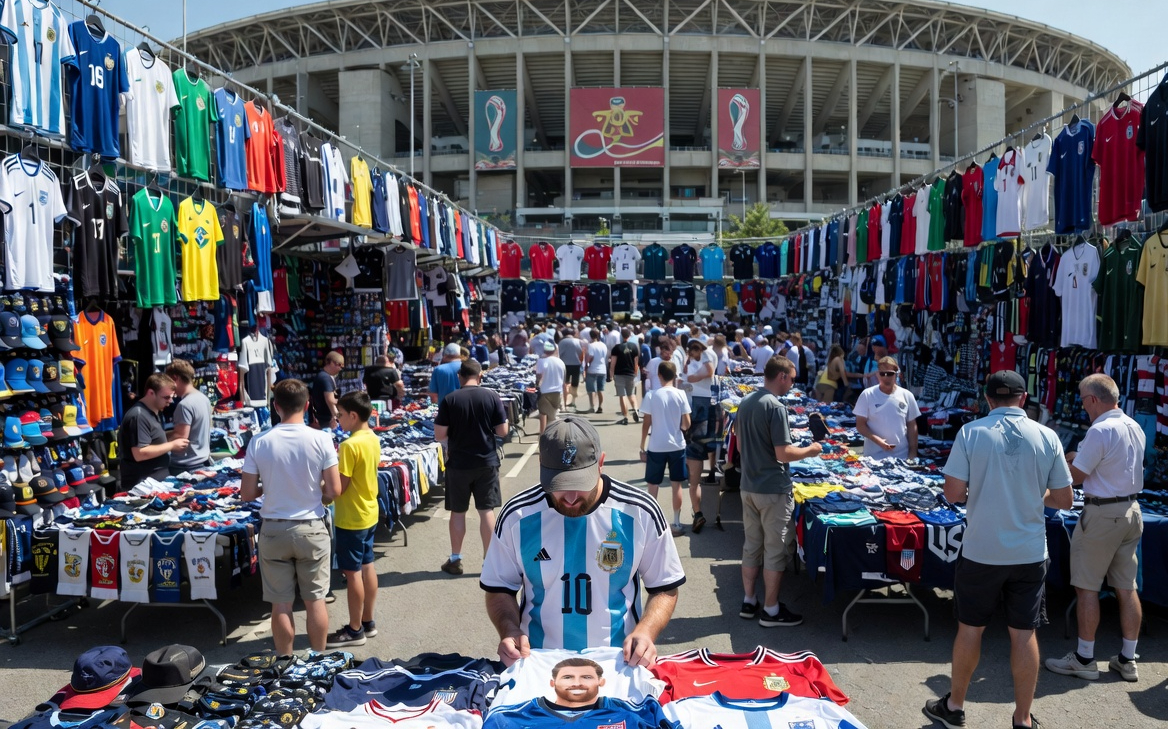
The 2026 FIFA World Cup spreads across 16 host cities in the US, Canada and Mexico. With 48 teams and 104 matches, transporting licensed jerseys of Argentina, France, Brazil and souvenirs becomes a full logistics marathon. Demand shifts overnight according to results, as seen after the 2022 final where Argentina led by Messi defeated France led by Mbappé 3-3 on penalties 4-2.
Demand Surges and Operational Bottlenecks
England shirt sales jumped 1,300% during key Euro 2024 matches. The expanded 2026 format creates even sharper swings. Rock-it Cargo, FIFA’s official logistics partner, manages over one million pounds of equipment with around 5,000 vehicles and one million square feet of warehouse space. One anecdote: After a strong US victory over a tough opponent, warehouses in the New York/New Jersey area suffered overload. Delayed jersey shipments caused mass returns and high detention charges.
Visibility vs. Ground Orchestration
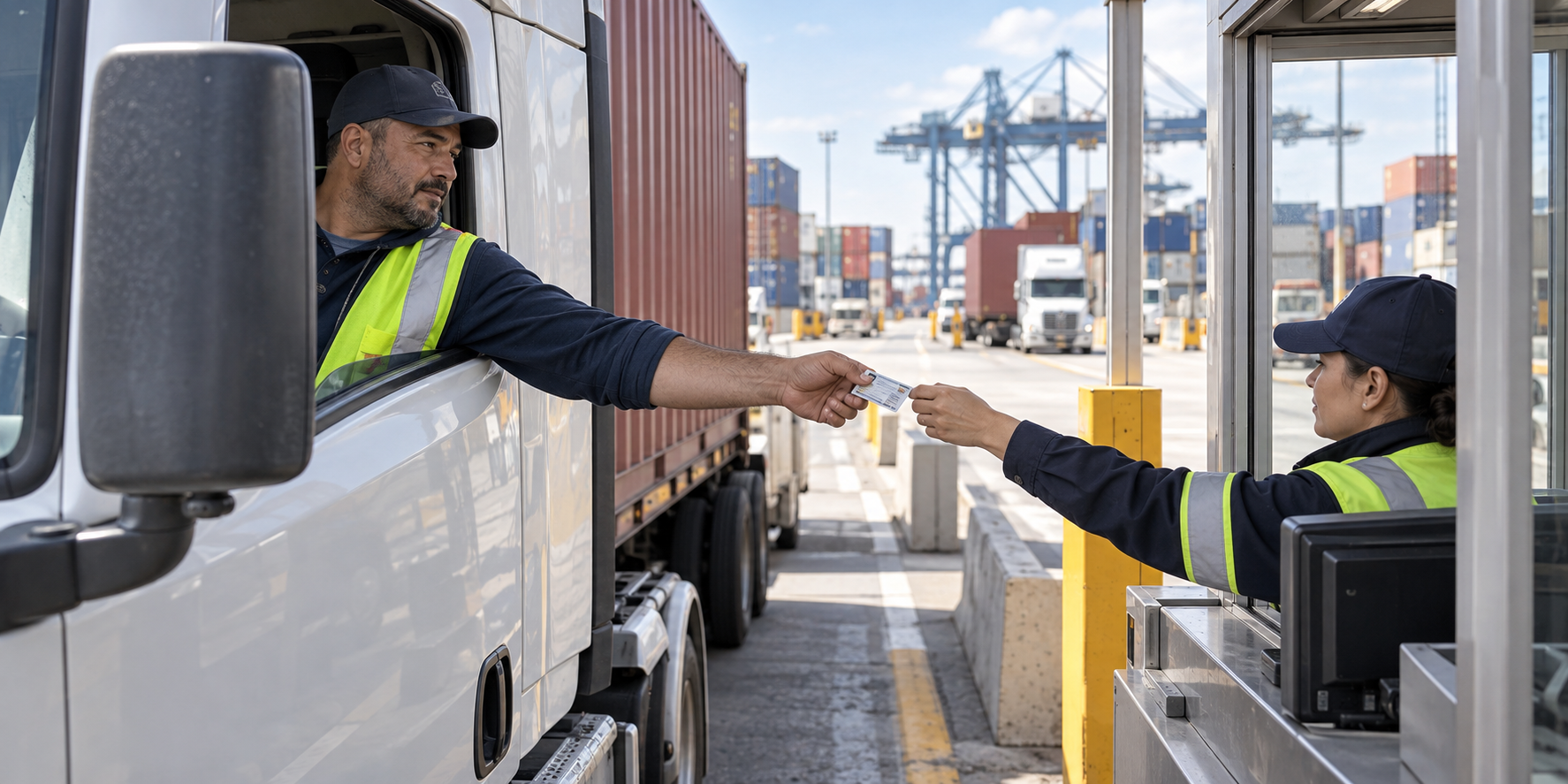
Tracking data provides a picture. But coordination between suppliers, warehouses and venues determines success. Customs delays between the US and Mexico, chassis shortages and labor gaps turn plans into harsh reality.
Jim Bureau, President & CEO at Loftware, a provider of enterprise labeling and compliance solutions, wrote in Forbes Business Council: “Mega events like this act as real-world stress tests for supply chain operations. AI, real-time analytics and digital twins can facilitate connected intelligence across procurement, production, logistics and demand-planning.”
Asaf Curelaru, Operations Director for UK & Ireland at Exotec, a robotics and automation solutions provider for warehouses, told The Manufacturer: “At major events like the World Cup, a result on the pitch changes priorities for retailers. Managing that alongside short delivery windows is where operational flexibility becomes critical.”
Second anecdote: A major retailer in Los Angeles reported returns that filled warehouses after the early elimination of a top team. Without fast automation they lost space for new Messi jersey stock and missed peak sales. Retailers using rigid just-in-time models suffer from thin buffers. Claims of seamless integration prove exaggerated when manual transfers and inconsistent standards emerge under pressure.
Standardization Gaps in the Field
Multi-country operations expose non-uniform processes. Duplicated efforts and slow transfers hurt margins. Argentina merchandise that sold quickly in Toronto remained stuck in Mexico City without fast redistribution.
The tournament proves execution gaps determine outcomes more than technology. Leaders need orchestration that handles tradeoffs between speed and resilience. Stronger standardization, realistic buffers and partner collaboration beat vendor promises alone.
In high-pressure environments, success comes from precise operational mechanics rather than marketing narratives. The event offers a live case study in turning volatility into controlled performance.