Resilient Supply Chain Podcast: Why Last-MileDecisions Are Becoming a Resilience Issue
 By The Supply Chainer · Mar 17, 2026 · 3 min read
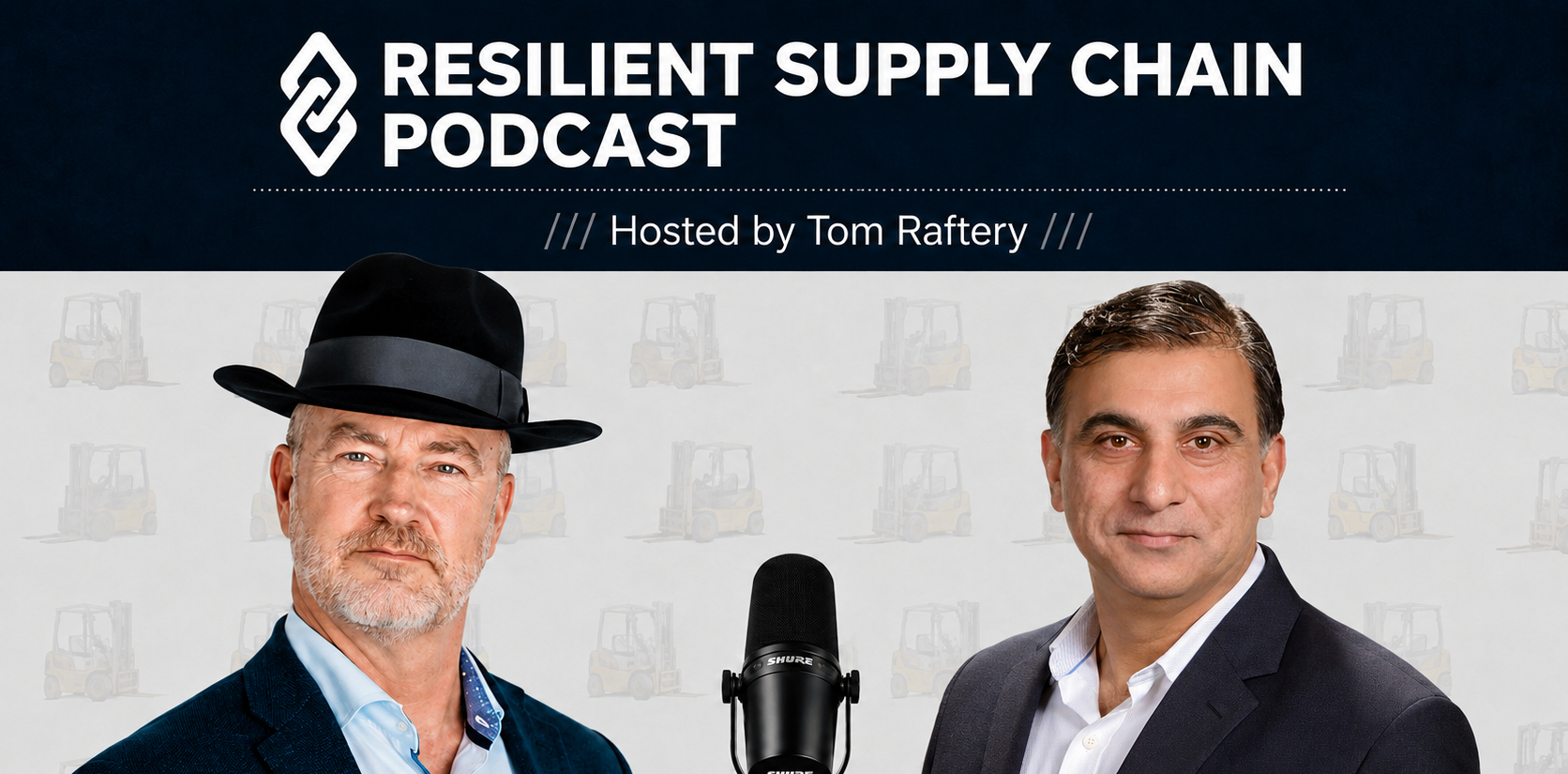
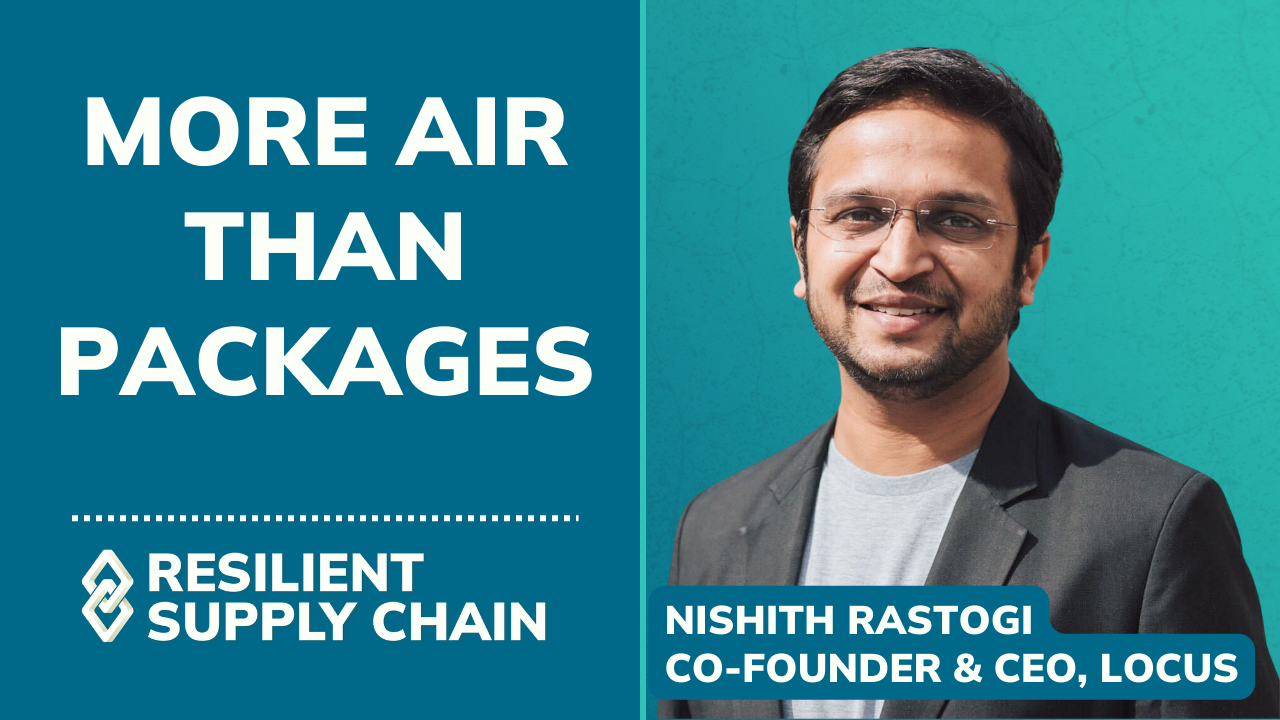
The latest episode of the Resilient Supply Chain Podcast features host Tom Raftery in conversation with Nishith Rastogi, founder and CEO of Locus, on a topic increasingly central to supply chain performance: last-mile decision-making. The discussion focuses on how delivery complexity has outgrown traditional tools and why this matters not just for logistics teams, but for leaders responsible for resilience, cost, service, and sustainability. As delivery networks become more fragmented and customer expectations tighten, execution quality depends less on tracking alone and more on the ability to make fast, accurate operational decisions. The full episode is available at www.resilientsupplychainpodcast.com.
From visibility to decision quality
A key argument in the discussion is that last mile is no longer just a transport execution layer - it has become a decision layer. Traditional systems were designed to show what is happening across the network, but in today’s delivery environment that is only part of the challenge. Teams must constantly decide which channel to use, which vendor to select, what vehicle fits the order, how to respond to failed deliveries, and whether service commitments can still be met.
That shift has strategic consequences. A network that cannot make these choices well will struggle with service failures, rising costs, and weaker resilience. The issue, in other words, is not simply visibility. It is whether visibility can be turned into action quickly enough to matter.
Why legacy tools struggle
The episode also highlights why traditional transport management tools are under pressure in modern last-mile operations. Many were built for linehaul predictability, broader planning windows, and relatively stable routing assumptions. Last mile is different. It operates at much finer levels of precision, with more exceptions and more direct customer exposure.
That changes the cost of failure. As Rastogi notes, “if you miss a slot with a customer, it’s a customer loss.” That is a useful distinction for senior leaders. Missing a freight milestone may create operational inefficiency, but missing a promised customer delivery can damage retention, brand trust, and future revenue. Last mile therefore sits much closer to commercial performance than many organisations have traditionally acknowledged.
Cost and sustainability moving together
One of the more practical points in the conversation is the rejection of the idea that cost and sustainability are naturally in conflict. Rastogi describes them as “two costs which often go parallel,” adding that “you can’t keep running trucks with more air than packages.”
That line is memorable because it captures a broader operational truth. Weak dispatch logic, poor load planning, and underutilised fleets increase both financial waste and environmental impact. Better allocation can improve fill rates, reduce miles per package, and support more effective use of mixed fleets, including electric vehicles. For supply chain leaders under pressure to reduce emissions while protecting margins, this matters. It suggests that in some parts of the network, sustainability gains come not from separate programmes, but from better operational decisions.
Resilience, optionality, and tribal knowledge
The discussion also broadens the resilience lens beyond disruption events alone. One important theme is optionality. The more channels, carriers, and operating choices a network can access, the more resilient it becomes. But that only holds if the organisation can evaluate and switch between those options effectively.
Another theme is the risk of over-reliance on tribal knowledge. In many dispatch environments, experienced workers compensate for weak systems through intuition and local familiarity. That creates fragility during peak periods, staff absences, or sudden disruption. Capturing that knowledge in systems, rather than leaving it with individuals, can strengthen continuity and reduce operational dependence on a small number of experienced staff.
A more disciplined view of AI
The episode takes a notably restrained view of AI. Rather than treating it as a universal fix, the discussion places it in the context of operational discipline. AI is presented as most useful where decision complexity has surpassed human bandwidth, and where interfaces remain a barrier between functional experts and the systems they rely on.
That is a more credible framing than broad automation claims. The real value lies in improving decision speed, narrowing the gap between data and action, and helping teams handle growing exception volumes without losing control.
The broader takeaway is that last mile is becoming a test of how well organisations make decisions under pressure. For supply chain leaders, that makes it a resilience issue as much as a logistics one. As cost pressure, service expectations, and sustainability demands continue to converge, stronger performance will depend on turning operational data into disciplined, timely action.