Opinion: Why Yard Visibility Remains Supply Chain's Most Persistent Blind Spot
 By Adam Newsome, CEO Lazer Logistics · Sep 25, 2026 · 4 min read
The modern distribution yard has improved meaningfully over the last couple of decades, as more customers have recognized the value of dropped trailer programs and the efficiency they can bring to the broader supply chain. Dedicated yard operations, trailer pools and better coordination between transportation and warehouse teams have helped many sites increase throughput and reduce unnecessary friction. Even with that progress, however, the yard still represents one of the best opportunities for continued improvement and operational efficiency. The basic sequence - trailers arrive, they move to dock or staging, the work takes place and trailers depart - remains structurally familiar, and the cost of remaining inefficiencies within that sequence has become impossible to ignore.
The Visibility Problem Hasn't Gone Away
The challenges we consistently hear about are neither new nor surprising: gate congestion from manual processing, labor shortages forcing operations teams to compensate for poor systems rather than drive strategy, and a persistent lack of real-time visibility so no one actually knows what's happening across the yard until something breaks. These are structural failures embedded in how most third-party yard solutions providers operate.
The most consequential of these is visibility. For decades, yard operations have relied on spreadsheets, radio calls and people physically walking the site to understand asset location and status. These traditional ways of operating mean a trailer can sit unnoticed for hours, or even days. Congestion builds because dock assignments were never coordinated, and equipment idles because its actual location is unknown. These gaps compound quickly, turning a manageable 30-minute dock window into a six-hour operational failure that cascades through the entire yard.
When you can't see what you have - or the power units that move the trailers - you can't optimize how you use it.
Technology Must Deliver Real-Time Intelligence
True visibility requires more than a periodic yard audit. It requires integrated systems that provide real-time telematics for yard power units, connect with HRIS and labor management tools, and incorporate AI-enabled safety cameras to identify unsafe behaviors and support corrective action. Without that intelligence, leaders may know what went wrong after the fact, but they still lack the live information needed to prevent delays, improve labor utilization and reduce risk.
Labor scarcity intensifies this problem because operations teams are already stretched thin managing manual processes that worked at lower volumes but now consume hours of staff time that could be directed toward problem-solving. Our industry faces real workforce constraints, and expecting team members to compensate for poor systems through overtime and heroics isn't sustainable economically or ethically.
Operational Performance Requires More Than Software
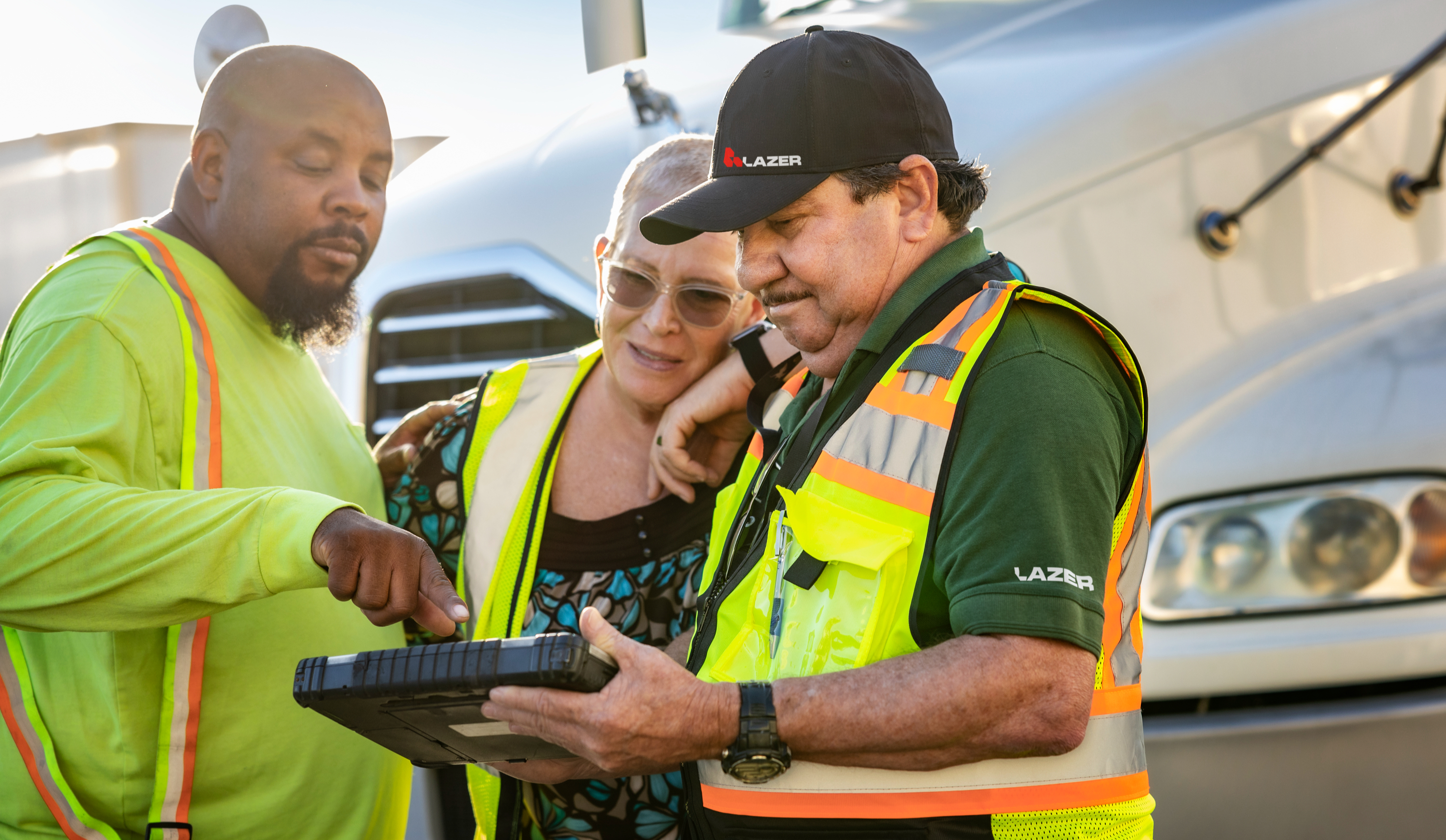
In the digital era, the organizations seeing the greatest operational improvements are those treating the yard as an integrated operating system - combining technology, disciplined processes and experienced people to improve decision-making, increase visibility and drive more consistent execution. Real-time visibility and automation are powerful enablers, but lasting operational performance comes from pairing those tools with standardized workflows and operational expertise.
The crucial point is that these systems don't replace people. They free people from tedious, error-prone work so they can make better decisions and more accurately manage exceptions. A solid yard operating system surfaces small issues before they cascade, eliminates the need to search for assets and reduces coordination errors that come from manual communication.
However, technology alone doesn't work. Implementation at scale requires human expertise, structured disciplines, process redesign and a willingness to run the yard differently. Market data underscores the growing focus on this challenge: the dock and yard management systems market reached $4.32 billion in 2025 and is projected to grow to $8.5 billion by 2031. The investment reflects widespread recognition that traditional approaches are no longer sufficient for modern distribution environments.
Experience Turns Visibility Into Results
That is why experience and specialization matter. Every yard has its own operating profile, customer requirements, constraints, labor model, equipment mix and service expectations. Solving yard inefficiency requires more than a generic technology layer; it requires pattern recognition earned across many yard environments and business needs. That breadth of experience allows operators to identify root causes, separate symptoms from systemic issues and implement sustainable solutions.
The yard challenge is solvable, but only if you approach the yard as a system to optimize rather than a space to manage. The organizations that gain the most value from technology are not necessarily those deploying the most tools, but those integrating visibility, process discipline and operational expertise into a single operating model. As supply chains continue to face pressure for greater speed, efficiency and reliability, the yard remains one of the most overlooked opportunities to unlock measurable performance gains.
The opinions expressed in this article are those of Adam Newsome, CEO, Lazer Logistics. The Supply Chainer's Insights are submitted content. The views expressed in this column are those of the author and do not necessarily reflect the views of The Supply Chainer.