Hormuz Pressure Tests Port Systems as Coordination Becomes the New Constraint
 By Hannah Kohr · Mar 24, 2026 · 3 min read
From Chokepoint Disruption to Network Stress
Pressure on the Strait of Hormuz is once again exposing how quickly localized geopolitical tension can cascade into a system-wide supply chain disruption. Even without a full closure, rerouting, carrier suspensions, and rising insurance costs are already forcing companies to reassess lead times, sourcing strategies, and inventory positioning across multiple industries.
Experts: Resilience Now Defined by Visibility and Optionality
In earlier coverage, industry executives pointed to a consistent pattern: chokepoint disruptions are no longer isolated shocks but structural stress tests for global networks. Dominik Metzger, VP Global Head of SAP Digital Supply Chain, warned that even partial slowdowns translate into longer lead times and higher costs, making real-time visibility and orchestration essential. Nari Viswanathan, Senior Director of Supply Chain Strategy at Coupa, stressed the need for scenario-based planning and optionality to move beyond reactive responses. Judah Levine, Head of Research at Freightos, highlighted how rerouting and surcharges quickly compound into congestion and cost pressure across trade lanes. Tom Raftery, futurist and former SAP Global VP, pointed to a deeper structural vulnerability, noting the risks of concentrating global flows through visible chokepoints.
Ports Absorb the Shock as Volatility Moves Downstream
Against this backdrop, the impact of Hormuz-related disruption is now being absorbed across global port systems, where shifting routes, irregular arrivals, and fluctuating cargo volumes translate into immediate operational pressure. Ports are increasingly required not just to handle throughput, but to coordinate responses across a fragmented network of stakeholders.
In a written statement to The Supply Chainer, Sigrid Hesselink, spokesperson at the Port of Rotterdam Authority, said: “International disruptions can significantly affect port capacity, planning, and cargo flows. As port of Rotterdam, we are increasingly focusing on joint preparedness. This approach, whereby we all chain parties work together closely, has proven effective during the pandemic, the 2021 Suez Canal blockage, and the sanctions imposed on Russia after the invasion of Ukraine.”
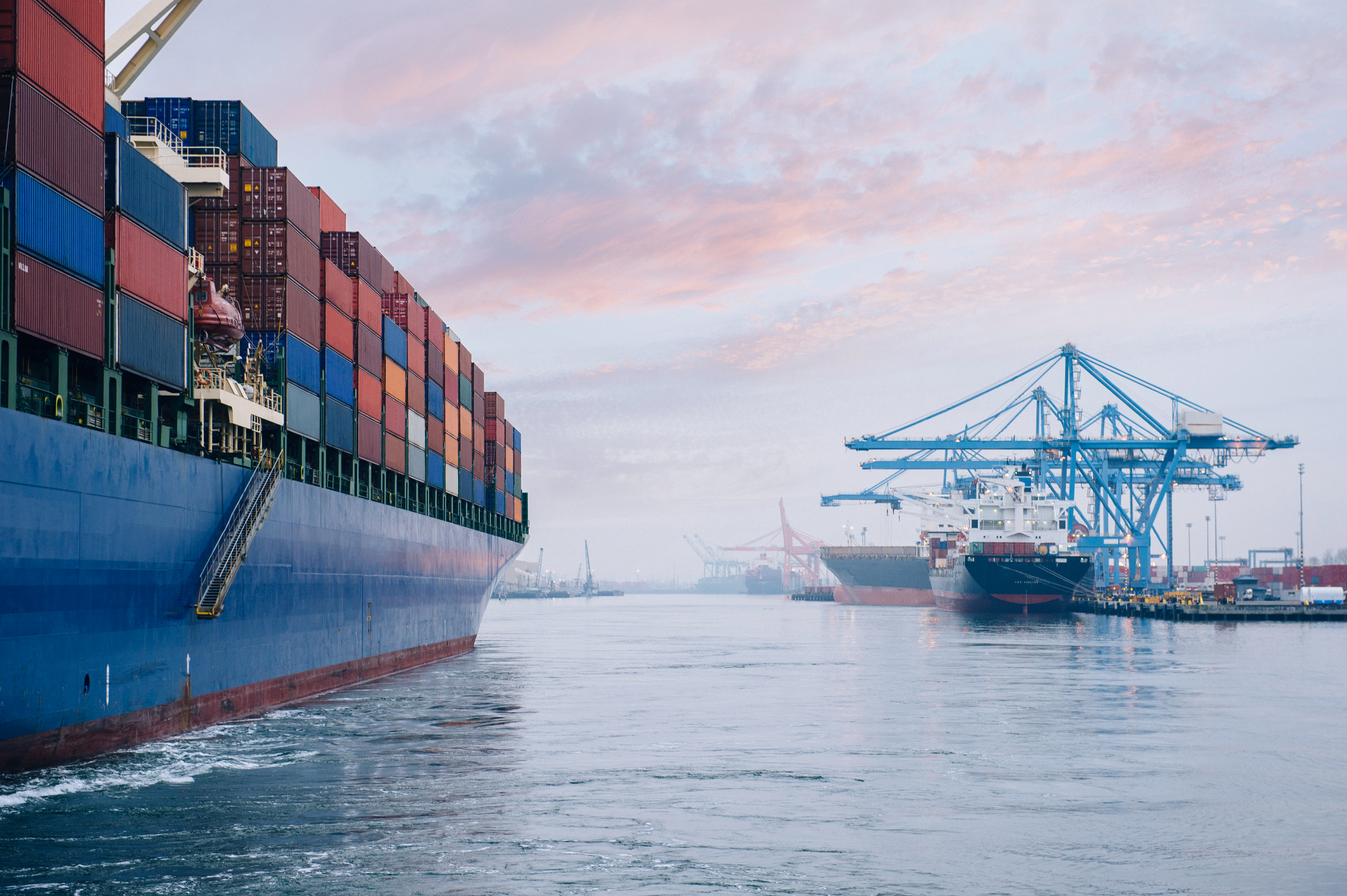
“Our priority is timely coordination through connection, information sharing, and alignment. This allows us to address disruptions collectively and limit their impact on the port and the wider supply chain. For example, we make better use of existing infrastructure in the port and hinterland and apply available data more broadly in planning and operational decision-making. This helps stakeholders in the port and hinterland to anticipate changes in volumes, arrival patterns, or capacity earlier.”
From Infrastructure to Data-Driven Coordination
Hesselink added: “Strong collaboration across the chain is crucial for a more resilient and efficient port system. Smart data solutions such as Rail Connected, Nextlogic and PortAlert, along with the continued strengthening of our port community system (Portbase), play an important role in this.”
“As Port Authority, our task is to create the right conditions: infrastructure, digital systems, regulation and long-term certainty. This enables companies to invest and develop the next generation of energy, industrial and logistics activities here.”
Coordination Becomes the Bottleneck
The shift reflects a broader transition across the supply chain. As disruptions become more frequent and less predictable, resilience is increasingly defined not by physical capacity alone, but by the ability to align decisions across partners in real time.
For supply chain leaders, the implication is clear: chokepoints like Hormuz may trigger disruption, but the true constraint lies in how effectively the network - from ports to inland logistics - can respond as a coordinated system rather than a series of disconnected reactions.
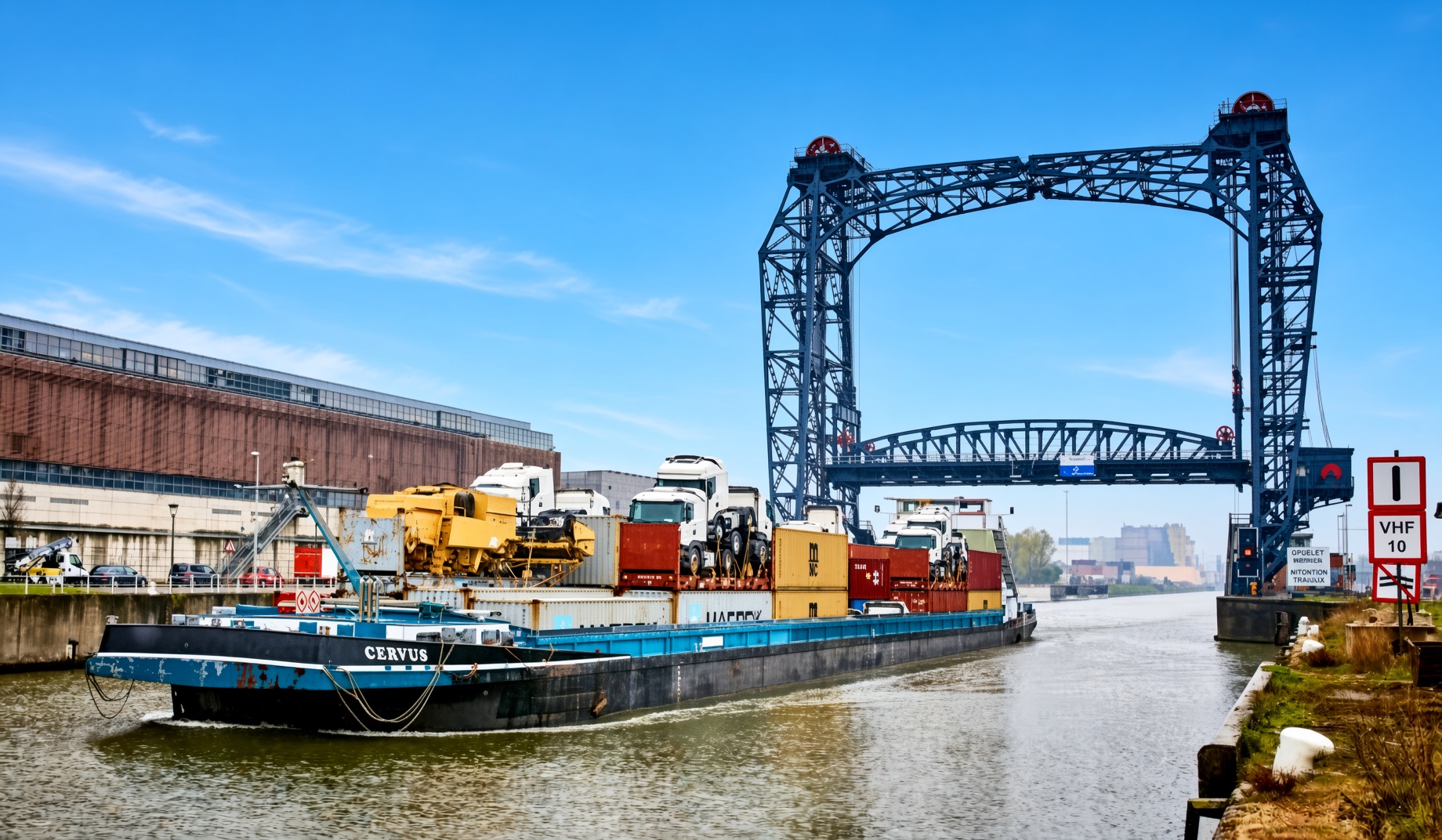
Port of Brussels Sees Inland Waterways Gain Ground as European Importers Rethink Freight Resilience
Aug 14, 2026
Electric Yard Trucks Cross the Tipping Point - but Only Where the Numbers Work
Aug 10, 2026