Industry Leaders Warn: Hormuz Disruption Tests Global Supply Chains
 By Hannah Kohr · Mar 15, 2026 · 6 min read
Updated: March 15, 07:52
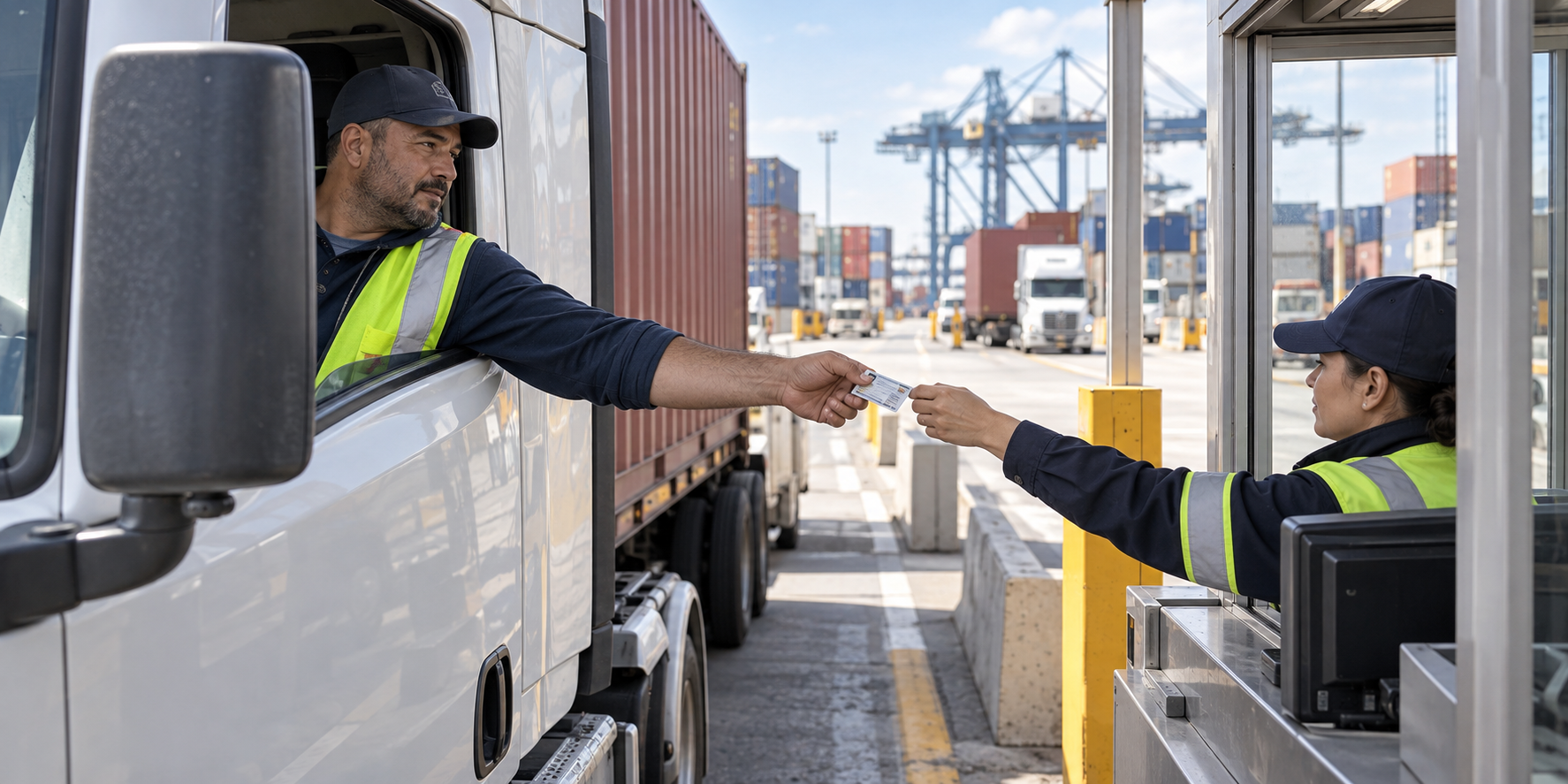
The escalating disruption around the Strait of Hormuz is rapidly shifting from a geopolitical flashpoint to a structural supply chain event. While the waterway has not been formally sealed, carrier suspensions, tanker diversions, rising insurance premiums, and aviation interruptions are already reshaping trade flows across energy, chemicals, containerized goods, and time-sensitive air cargo.
Roughly one-fifth of global petroleum and LNG moves through the narrow passage each day. Even partial slowdowns create ripple effects across refining, petrochemical feedstocks, fertilizers, plastics, and downstream industrial production, extending far beyond fuel markets.
In response, The Supply Chainer issued a targeted media query to senior supply chain and trade leaders, inviting their assessment of the operational and strategic implications. Below, four executives share their perspectives on what this means — and what decision-makers must do next.
Dominik Metzger, VP Global Head of SAP Digital Supply Chain
“The significant slowdown of traffic through the Strait of Hormuz is a serious development that supply chain leaders cannot afford to underestimate. We are already seeing early warning signs: rising insurance premiums, carriers reassessing bookings for air- and ocean-freight, and disruption to aviation hubs like Dubai that handle time-sensitive air freight for spare parts, electronics, and pharmaceuticals. Should rerouting around the Cape of Good Hope become necessary at scale, companies need to expect to add 10 to 15 days of lead times, along with considerably higher freight costs.

How quickly this translates into broader price increases, at the gas pump and across product categories, will depend on how severe the constraint becomes. What we can say with confidence is that supply chain orchestration has become strategic, not optional, in managing such logistics shocks. Companies need to focus on real-time visibility across multi-tier supplier networks, deep impact analysis leveraging planning, logistics and procurement data, and to run scenario models that prescribe clear actions. This enables customers to manage disruptions end-to-end and make fast, informed decisions as conditions change.”
Nari Viswanathan, Senior Director of Supply Chain Strategy, Coupa
“A potential closure of the Strait of Hormuz could affect inbound and outbound supply chains to, and from, the Persian Gulf. That’s why contingency planning is a must in an era of perma-crisis. There are no definitive answers but rather, ‘best possible options’ to manage supply chain risk and address anticipated disruption.

To support global trade for energy, chemical, and time-sensitive commodity sectors, the ability to create optionality is paramount — and is possible today with AI-powered scenario modeling. With increased forward-looking, predictive visibility into their N-tier supply chains, businesses can identify vulnerabilities before they escalate — or mitigate the business risks. Instead of guessing, leaders can use ‘Digital Twins’ to stress-test their networks.
Using the right data, AI models can include supply constraints, global energy price spikes, trade route disruptions, and sanctions impacts alongside tariff scenarios. Companies can also layer multi-modal transport risk into landed cost and supplier continuity models, anticipating reroutes, higher insurance, and extended lead times. Ultimately businesses should be planning for risk as part of their normal operating model and especially during times of uncertainty that result in business disruption.”
Judah Levine, Head of Research, Freightos
“The recent US-Israel strikes on Iran and the subsequent Iranian retaliation across the region are already causing significant logistics disruptions, and these could ripple more broadly if the situation continues. While Iran has banned US vessels from transiting the Strait of Hormuz, it has not officially closed it — yet attacks on nearby oil tankers and warnings from the Iranian Revolutionary Guard Corps have made clear that transits are unsafe.

In response, major container carriers including Maersk, Hapag-Lloyd, MSC, and CMA CGM are diverting vessels and halting services, with CMA CGM introducing an emergency $4,000 per FEU surcharge. DP World has also suspended operations at Jebel Ali following an aerial incident that caused a fire. Container traffic diverted from the Persian Gulf is now flowing to alternative ports in the UAE, Oman, and transshipment hubs in Sri Lanka, Malaysia, and Singapore, creating potential congestion. Meanwhile, Red Sea sailings remain limited as carriers reroute vessels around the Cape of Good Hope, delaying a full return. These developments underscore the vulnerability of Middle East supply chains and the need for shippers to monitor both sea and air disruptions closely.”
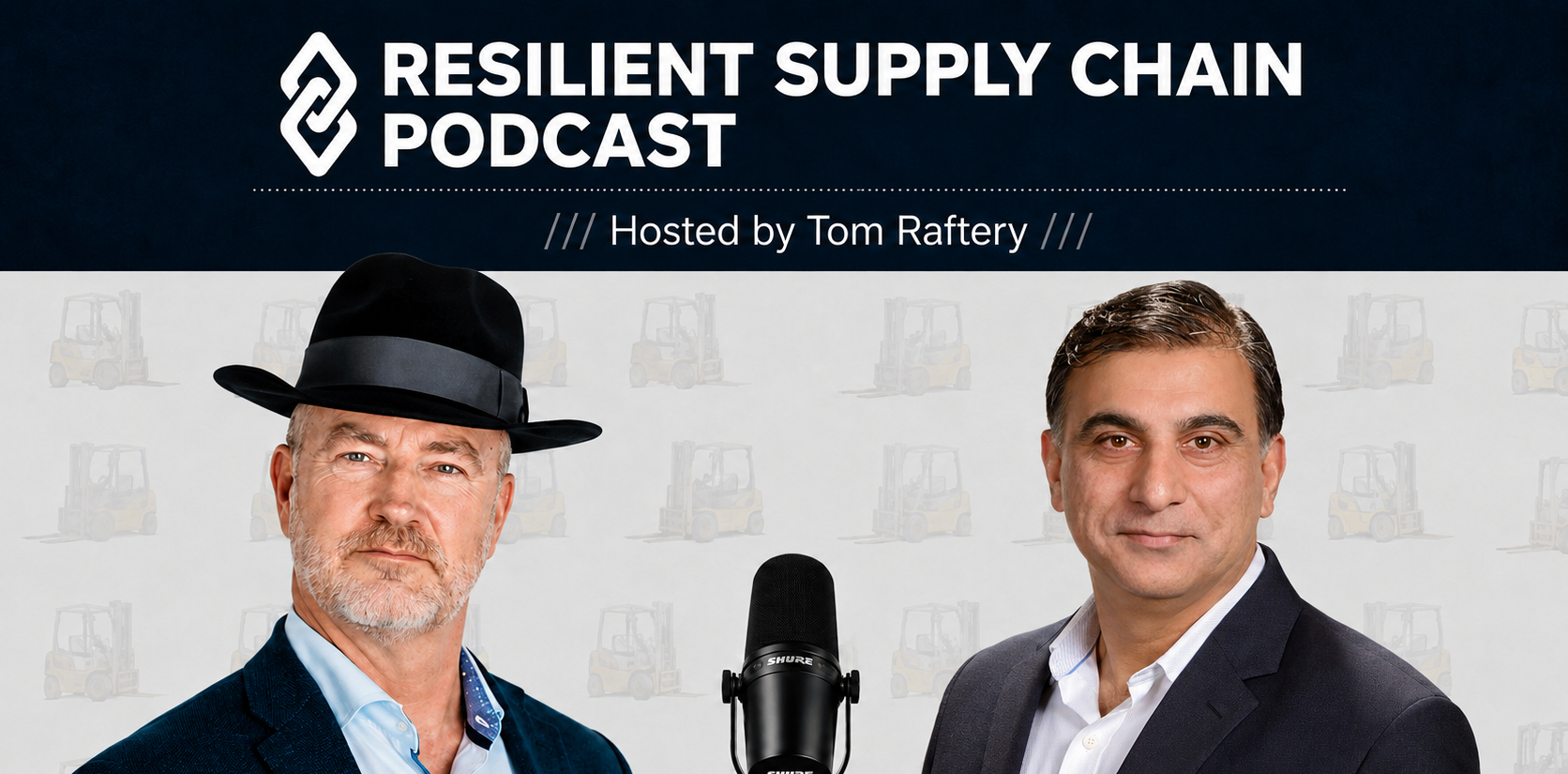
Tom Raftery, Futurist and Innovation Evangelist, Formerly SAP Global VP
“The Strait of Hormuz exposes a structural vulnerability in the global economy: we’ve concentrated energy flows through physical chokepoints that everyone can see on a map. If a single waterway can threaten manufacturing output thousands of kilometres away, that’s not just an energy issue, it’s a governance issue Sunshine and wind pass through straits with zero issues. The more energy systems shift toward domestically generated renewables, the less leverage any single corridor has over global supply chains. That’s not just decarbonisation. It’s risk management.”

Ramakrishna Garine, Founder, ResilienceXAI
“Iran’s effective closure of the Strait of Hormuz following the U.S. and Israel strikes is the most severe chokepoint disruption we have seen in decades. With roughly 20% of the world’s petroleum and nearly a fifth of global LNG flowing through this single passage daily, the immediate impact is not limited to energy prices. It cascades into chemicals, fertilizers, petrochemical feedstocks, and containerized goods serving Gulf-based industrial zones.
Within hours, we have already seen major trading houses suspend crude shipments, carriers halt Hormuz transits, and tankers making U-turns in the Gulf of Oman. Vessels trapped inside the Gulf cannot exit, and inbound ships are anchoring off Fujairah with no timeline to proceed. Carriers that had just begun returning to the Red Sea are now rerouting back around the Cape of Good Hope, adding 10 to 15 days of transit time and compounding disruption across Asia-Europe trade lanes.

For supply chain leaders, this is precisely the scenario that stress-testing frameworks are designed to anticipate. Organizations that have modeled supplier concentration risk, pre-negotiated alternative logistics capacity, and run simulation-based scenario planning will navigate this far more effectively than those reacting in real time. Resilience cannot be built during a crisis. It must be engineered before one.”
Yael Kochman, CEO Re:Tech
“Across the Israeli retail tech ecosystem, companies are monitoring developments closely but are not seeing immediate commercial impact, as most target North America and Europe rather than the Gulf. Still, instability in the Persian Gulf and Red Sea shipping lanes is raising concerns about broader ripple effects on maritime transport, insurance costs, and lead times.

Operationally, retailers are accelerating post-COVID resilience measures: dual sourcing, buffer inventory in key markets, and active modeling of alternative routes. What was once contingency planning is becoming real-time execution. In periods of volatility, competitive advantage shifts to those with strong data visibility, predictive analytics, and the agility to act quickly on emerging risks.”
From Chokepoint To Structural Test
Across the four perspectives, a common theme emerges: this is not simply an energy shock. It is a network stress test. The Strait of Hormuz represents both a physical bottleneck and a systemic amplifier. When vessels pause or reroute, delays cascade into container repositioning, insurance adjustments, port congestion, and working capital strain. When air hubs in the Gulf face operational disruption, high-value and time-sensitive flows — from electronics components to pharmaceutical inputs — are affected.
If Cape of Good Hope routings become sustained rather than temporary, global transit times may reset upward. That would extend inventory cycles, tighten capacity in Asia-Europe corridors, and potentially reintroduce inflationary freight pressure at a time when many lanes had recently stabilized.
The experts agree on one point: contingency planning can no longer be episodic. Digital twins, multi-tier visibility, scenario modeling, and optionality in transport and sourcing must become embedded capabilities, not crisis responses.
Whether Hormuz stabilizes quickly or remains volatile, the message to supply chain leaders is clear. The chokepoint has exposed a deeper truth — resilience is not a theoretical framework. It is an operational discipline measured in days of lead time, dollars of working capital, and the speed of decision-making under uncertainty.
For tips, leaks or sourcing: editor@thesupplychainer.com