Air Freight Visibility Remains a Persistent Operational Bottleneck
 By Evan Porter · Jun 16, 2026 · 2 min read
Air freight operators move high-value and condition-sensitive cargo under strict operational limits. Airline regulations restrict radio transmissions during flight. Many tracking devices exhaust batteries quickly or lose connectivity mid-journey. Visibility often fragments when cargo shifts between air, road, warehouse and storage. Operators end up choosing between compliance, battery duration, or continuous monitoring. Solutions from competitors such as Tive, OnAsset Intelligence, Roambee and Samsara frequently target either short-term shipment tracking or basic compliance, leaving gaps in long-term asset lifecycle coverage and multi-modal flexibility. These limitations expose shipments to undetected damage, delayed interventions, and higher operational costs in complex global networks.
Griffin Air Targets Multi-Modal Gaps
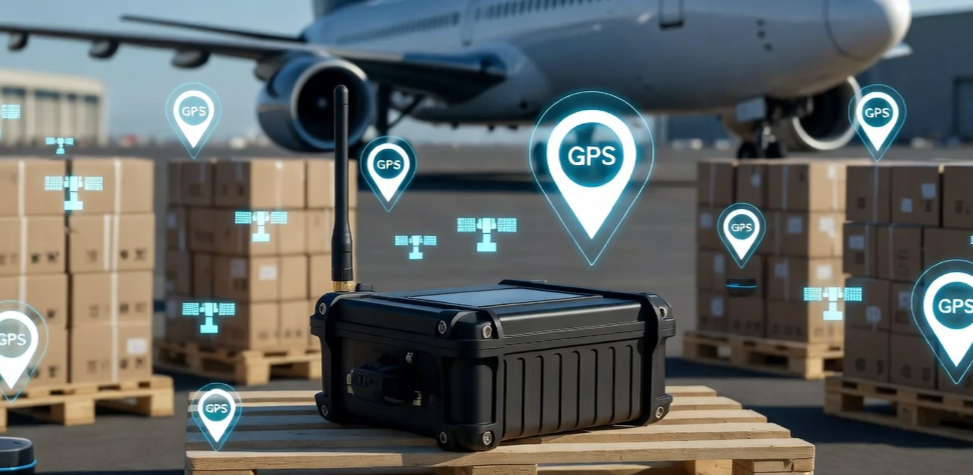
Digital Matter launched the Griffin Air, a rugged GPS tracker designed for air freight and broader logistics. It auto-detects flights, logs data passively for compliance, and resumes reporting on landing. DO-160 certification supports major carriers. User-replaceable AA batteries target up to seven years of life. Bluetooth gateway functionality extends to sensor data for condition monitoring.
The device shifts between air, road, warehouse, and storage without reconfiguration. GPS, Wi-Fi, and cellular options handle indoor-outdoor positioning. Impact and tilt alerts flag mishandling.
Ilan Gluck, EVP and Head of GTM, North America at Digital Matter (a provider of low-power IoT hardware for asset tracking), replied in writing to The Supply Chainer: “Air freight tracking has historically forced organizations to choose between compliance, visibility, and operational practicality. By combining intelligent flight-aware tracking with multi-year battery life and a rugged deploy-once design, the Griffin gives global logistics operators a scalable way to maintain visibility across the entire asset journey without adding operational complexity. Most air freight tracking devices were designed either for compliance or for short-term shipment visibility, but not for long-term operational deployment. The Griffin Air was built specifically to bridge that gap.”
This approach addresses real trade-offs in current tools, though success depends on integration with existing systems and actual performance in varied conditions.
Sustained Tracking Challenges Industry-Wide
Signe Wagner, Global Head Media Relations at Kuehne+Nagel, stated in a prior Supply Chainer response on route disruptions: “In a volatile environment of potential route disruptions, supply-chain resilience depends on flexibility, visibility, and integrated planning. Visibility is equally critical. Real-time shipment tracking, predictive analytics, and scenario planning support better decision-making under uncertainty.”
Kenny Foo, CEO of Tive, told Supply Chain Dive: "Air freight remains one of the most challenging modes for visibility... Real-time condition monitoring during flight is critical for perishable and high-value goods, but it requires solutions that respect aviation rules without sacrificing data."
According to ICAO, international scheduled freight tonne-kilometres reached 194.5 billion in 2023, underscoring the scale where visibility gaps carry significant financial exposure.
Practical Gains Versus Implementation Realities
Operators gain from reduced manual interventions and extended deployment cycles. Yet questions remain on data accuracy in complex environments and integration costs. The device reflects broader industry pressure to move beyond short-term fixes toward durable, multi-purpose tracking. Execution will determine whether it delivers on reduced friction across global operations.