Why Yard Spotting Has Become a Critical Pressure Point in Modern Warehouse Operations
 By Sophia Hernandez · May 19, 2026 · 3 min read
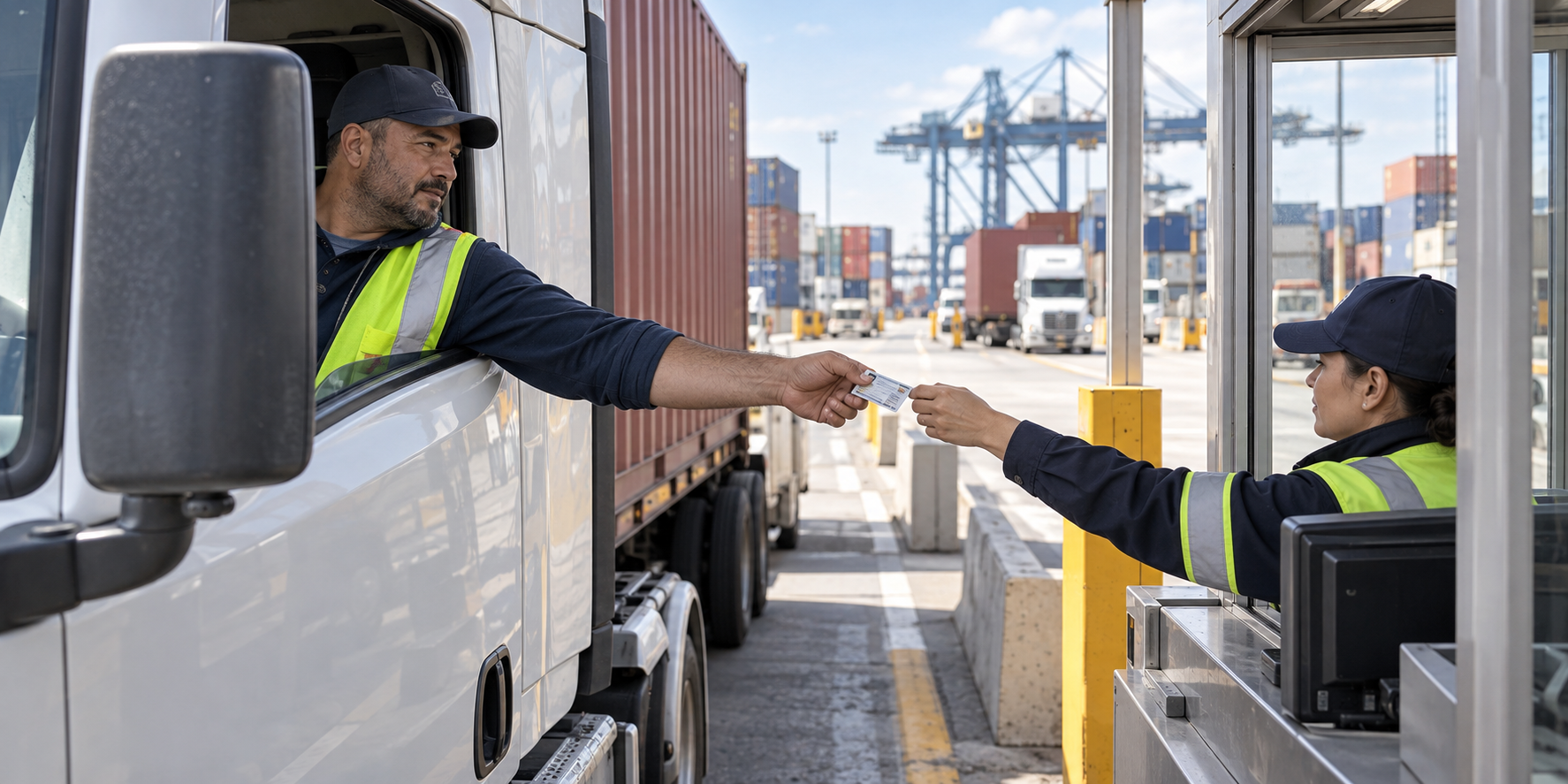
For many large warehouses and distribution centers, some of the most expensive operational failures no longer happen inside the building. They happen outside - in the yard.
As inbound freight flows become more volatile and carrier arrival patterns less predictable, supply chain teams are under growing pressure to coordinate hundreds of trailer movements per day across crowded yard environments. Delays of even 20 or 30 minutes can create cascading effects across receiving schedules, labor planning, outbound departures, and detention exposure.
What Yard Spotting Actually Means
At the center of this operational challenge is yard spotting.
Yard spotting refers to the physical movement and positioning of trailers within a warehouse yard. Specialized yard drivers - often called spotters, jockeys, or hostlers - move trailers between gates, parking areas, staging zones, and dock doors using dedicated yard trucks. Their role is to ensure the right trailer reaches the right dock door at the right time while keeping yard traffic flowing efficiently.
For the in-house supply chain leader managing warehouse performance, yard spotting is far more than a transportation support function. It directly affects labor utilization, dock productivity, trailer dwell time, inventory flow inside the facility itself.
The operational challenge becomes especially severe during periods of port or carrier bunching, when dozens of inbound trailers arrive within compressed time windows. In these situations, poor coordination between warehouse teams and yard operations providers can quickly create gridlock.
A trailer containing priority inventory may remain buried deep in the yard while dock workers wait idle. Drivers can accumulate detention charges while searching for available doors. Outbound loads may miss departure windows because empty trailers were not repositioned quickly enough.
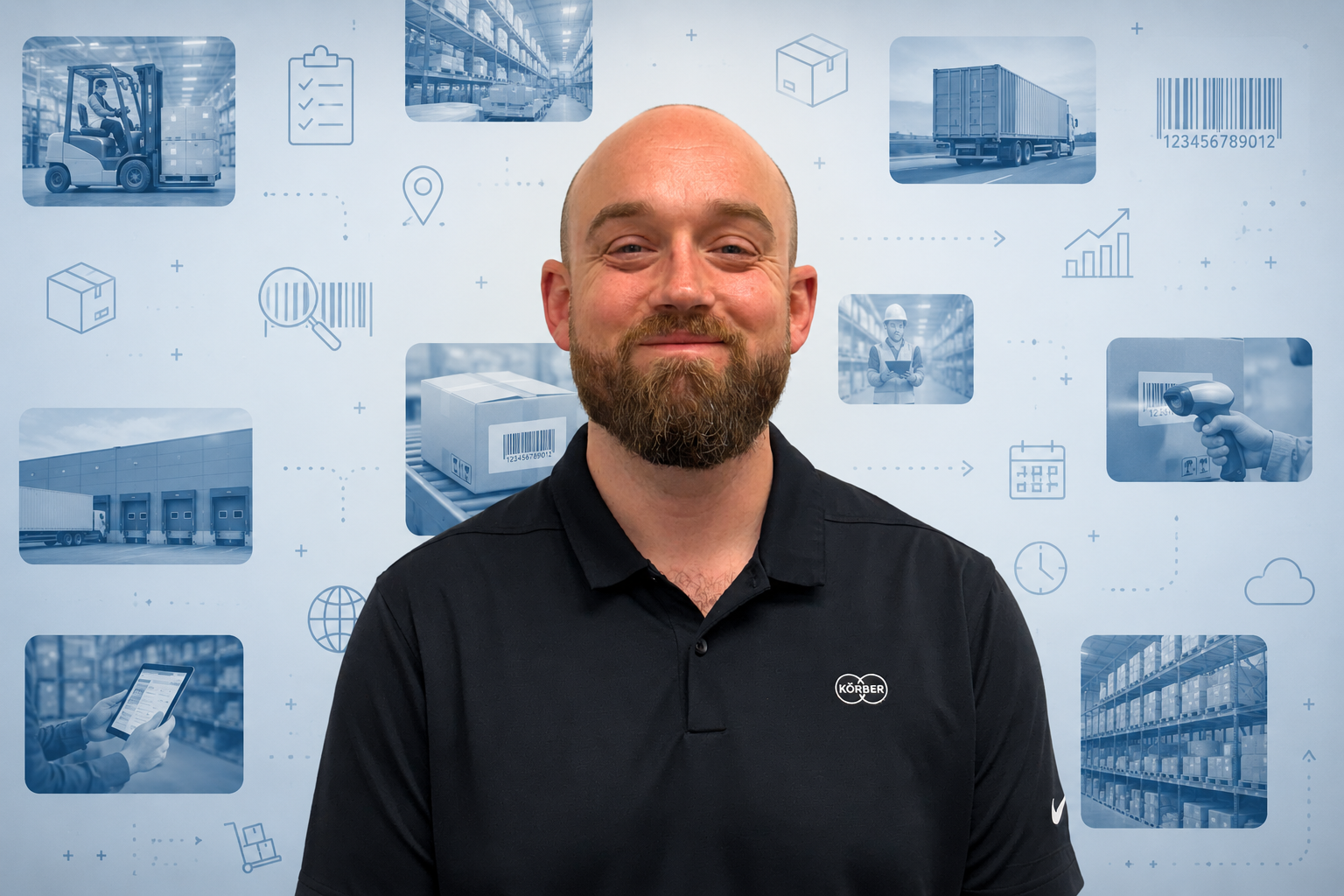
Responding to questions from The Supply Chainer, Austin Percifull, Global Key Account Manager at Körber Business Area Supply Chain, said many warehouse congestion problems stem less from total freight volume and more from synchronization failures across yard and dock activity.
“From a labor and congestion standpoint, most dock pain comes from clustering, not total volume,” Percifull said. “AI forecasts hour-by-hour arrivals so labor plans and pick waves align with inbound flow, while optimizing door assignments to reduce forklift travel and idle time.”
The Rise of YMS Platforms
To manage this complexity, many large facilities rely on specialized logistics providers focused specifically on yard operations. These companies typically manage trailer spotting, gate coordination, yard truck fleets, trailer inventory checks, dock communication, and real-time movement execution across the site. In practice, they function as the operational layer connecting transportation arrivals to warehouse execution.
The relationship between warehouse operators and yard services providers has also become increasingly technology-driven. Many facilities now use Yard Management Systems, or YMS platforms, to coordinate activity across gates, yards, docks, and carrier appointments in real time.
A YMS acts as a central orchestration platform for yard operations. The system tracks trailer locations, dock availability, gate activity, appointment schedules, and carrier arrivals continuously throughout the day. Modern platforms increasingly integrate AI scheduling tools, live ETA feeds, OCR gate scanning, automated driver check-in, and detention monitoring capabilities.
The goal is not simply visibility, but continuous orchestration of trailer movement under changing operational conditions. Several major supply chain technology providers now offer YMS platforms as part of broader warehouse execution and transportation orchestration suites. Leading providers in the space include Manhattan Associates, Blue Yonder, Oracle, SAP, Körber, and Softeon, alongside warehouse-focused orchestration vendors expanding into yard coordination and dock scheduling.
Physical Operations Meet Real-Time Coordination
At the same time, specialized yard operations companies are increasingly combining physical trailer movement services with proprietary technology platforms. Lazer Logistics, one of the largest dedicated yard management and spotting providers in North America, for example, operates its Yard Nexus platform alongside its yard truck and spotting operations, allowing customers to coordinate trailer visibility, gate activity, dock assignments, and yard movement execution within a single operational environment.
Without that coordination layer, many warehouses still rely on spreadsheets, radios, phone calls, and manual yard checks to manage trailer flow. As inbound volatility increases, those manual processes become increasingly difficult to scale.
Percifull said AI-driven orchestration systems are increasingly being used to compress response times during inbound disruptions before congestion spreads across the facility.
“When warehouses are hit with sudden 30% inbound spikes driven by port or carrier bunching, the difference in the first 24 hours is that AI-powered dock scheduling and yard orchestration systems can respond in real time, while traditional appointment calendars cannot,” he said.
The operational stakes continue rising as warehouses attempt to move higher freight volumes without significantly expanding labor or physical infrastructure. For many supply chain operators, the yard is no longer treated as overflow space or trailer parking. It has become an active execution environment where trailer movement, labor coordination, dock scheduling, and transportation timing must operate as a single synchronized system.