Warehouse Operators Are Rebuilding Facilities Around Narrow Aisles, Electric Fleets and Labor Pressure - 3 Operational Shifts
 By Evan Porter · May 23, 2026 · 4 min read
Warehouse operators spent much of the past decade expanding fulfillment capacity as quickly as possible. Now many are discovering the harder problem is making existing facilities economically sustainable.
Across retail, manufacturing, and third-party logistics networks, warehouse operators are facing simultaneous pressure from rising real estate costs, labor shortages, throughput demands, and increasingly volatile inventory flows. Expanding footprint is becoming both financially difficult and operationally inefficient in many markets.
The result is a quieter but significant redesign effort happening inside warehouses themselves.
Operators are narrowing aisle configurations, increasing vertical density, replacing internal combustion fleets, and restructuring material handling operations around higher throughput per square meter. In many cases, the operational objective is no longer simply adding capacity. It is extracting more productivity from infrastructure already in place.
That shift is also changing what warehouse equipment vendors are prioritizing. Conversations that once centered on forklift specifications increasingly revolve around storage density, energy economics, labor utilization, and long-term operational flexibility.
Warehouse Density Is Becoming a Financial Requirement
One of the clearest trends emerging across warehouse operations is the push toward denser storage configurations and narrower aisle layouts.
Flexi Narrow Aisle, a UK-based manufacturer specializing in articulated forklift trucks for narrow aisle operations, argues that warehouse density is increasingly becoming a strategic requirement rather than simply an engineering preference.
The company says operators are under growing pressure to increase SKU counts, improve order-picking efficiency, and reduce travel distance inside facilities without expanding physical footprint.
In material submitted to The Supply Chainer, the company described how articulated forklift systems are being used to reduce aisle widths while maintaining operational flexibility across warehouses handling increasingly fragmented inventory profiles.
According to the company, many warehouse environments now operate with combinations of fast-moving, slow-moving, and highly diversified SKU mixes that require significantly more dynamic storage and picking strategies than traditional layouts were designed to support.
The company also argues that operators are moving away from rigid very narrow aisle systems requiring specialized guided equipment and toward more flexible articulated fleets capable of handling both indoor and outdoor operations.
“Warehouse density, aisle optimization and fleet rationalisation are becoming strategic levers to address the challenges of rising real estate costs, labour shortages and pressure to increase throughput without expanding footprint. Introducing articulated forklift fleets can reduce double handling, improve picking efficiency, and allow operators to increase storage capacity while maintaining operational flexibility during seasonal demand changes,” the company stated in material provided to The Supply Chainer.
The operational logic is becoming increasingly difficult for operators to ignore.
In large fulfillment environments, small reductions in aisle width can translate into substantial additional rack capacity without requiring new facilities. At the same time, warehouse labor costs continue rising across most major logistics markets, making travel efficiency and picking productivity increasingly valuable.
But denser layouts also create new operational tradeoffs. Tighter aisles can increase congestion risk, complicate pedestrian safety, and reduce flexibility if inventory flows change unexpectedly. Warehouse redesign increasingly becomes an optimization exercise balancing throughput, labor movement, replenishment timing, and safety constraints simultaneously.
The Economics of Forklift Electrification Have Changed
At the same time warehouse layouts are evolving, warehouse power systems are changing as well.
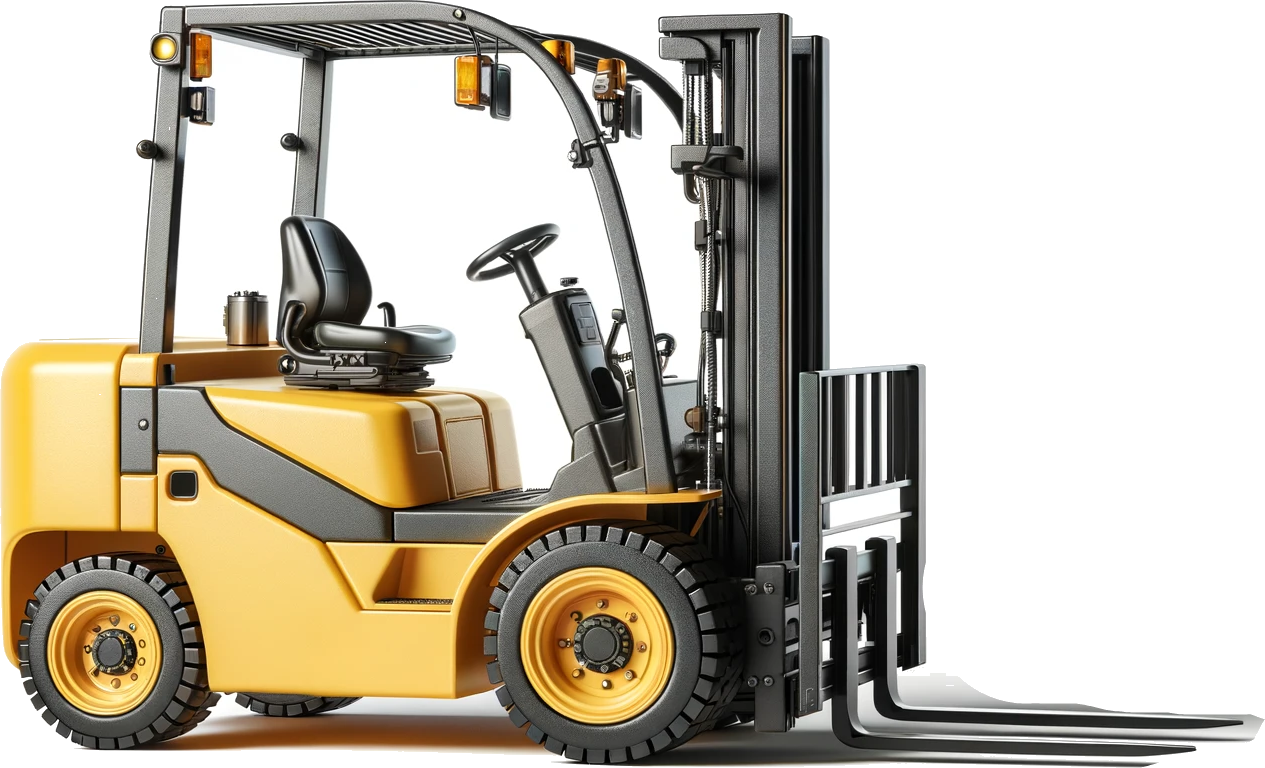
Electric forklifts have existed for decades, particularly inside indoor warehouse environments. But many heavier-duty applications historically remained dependent on propane or diesel fleets because battery limitations restricted operational flexibility.
That calculation is now shifting rapidly.
ENEROC USA argues that the recent collapse in lithium iron phosphate battery pricing is fundamentally changing the economics of warehouse fleet electrification.
Rather than sustainability mandates driving adoption, the company says the more important shift is simple cost competitiveness.
In commentary submitted to The Supply Chainer, Max Khabur, Marketing Director at ENEROC USA, argued that lithium battery systems have moved from premium upgrade status to becoming the financially rational default option for many warehouse operators.
“For years, the main barrier to lithium adoption was acquisition cost. That conversation has changed dramatically. LFP lithium batteries are now approaching price parity with traditional lead-acid systems while delivering significantly longer operational life, stronger performance consistency, and lower total ownership costs. In multi-shift warehouse operations, operators increasingly realize the economics now favor electrification even in applications that historically remained dependent on propane or diesel fleets,” Khabur wrote in the company’s response to The Supply Chainer.

The timing aligns with broader changes happening across warehouse design.
Modern fulfillment centers increasingly operate with narrower aisles, higher storage density, and more automated workflows where electric equipment performs more effectively than internal combustion systems. At the same time, lithium battery improvements are reducing many of the operational limitations that slowed earlier adoption, including charging restrictions, voltage drops, and multi-shift utilization concerns.
Industry forecasts now increasingly expect lithium systems to overtake lead-acid batteries as the dominant power source for electric forklift fleets within the next several years.
That transition, however, also introduces new dependencies into warehouse operations.
Fleet uptime becomes increasingly tied to battery supply chains, charging infrastructure, and long-term energy management rather than fuel availability alone.
Warehouse Efficiency Is Becoming a Systems Problem
The larger operational shift happening inside warehouses is not simply about forklifts or battery chemistry.
It is about operators trying to maintain throughput growth inside increasingly constrained infrastructure.
Warehouse networks today are under pressure from multiple directions simultaneously: e-commerce fragmentation, rising labor costs, faster replenishment expectations, and continued pressure to reduce inventory buffers without sacrificing availability.
That is forcing operators to rethink warehouse systems as interconnected operational environments rather than isolated equipment decisions.
Aisle configuration affects picking speed.
Picking speed affects labor allocation. Fleet electrification affects charging infrastructure and maintenance cycles.
Storage density influences replenishment timing and congestion risk.
In practice, many warehouse operators are no longer optimizing single technologies.
They are attempting to optimize operational interaction between multiple tightly connected systems under increasing cost pressure.
The warehouses being redesigned today increasingly reflect that reality.