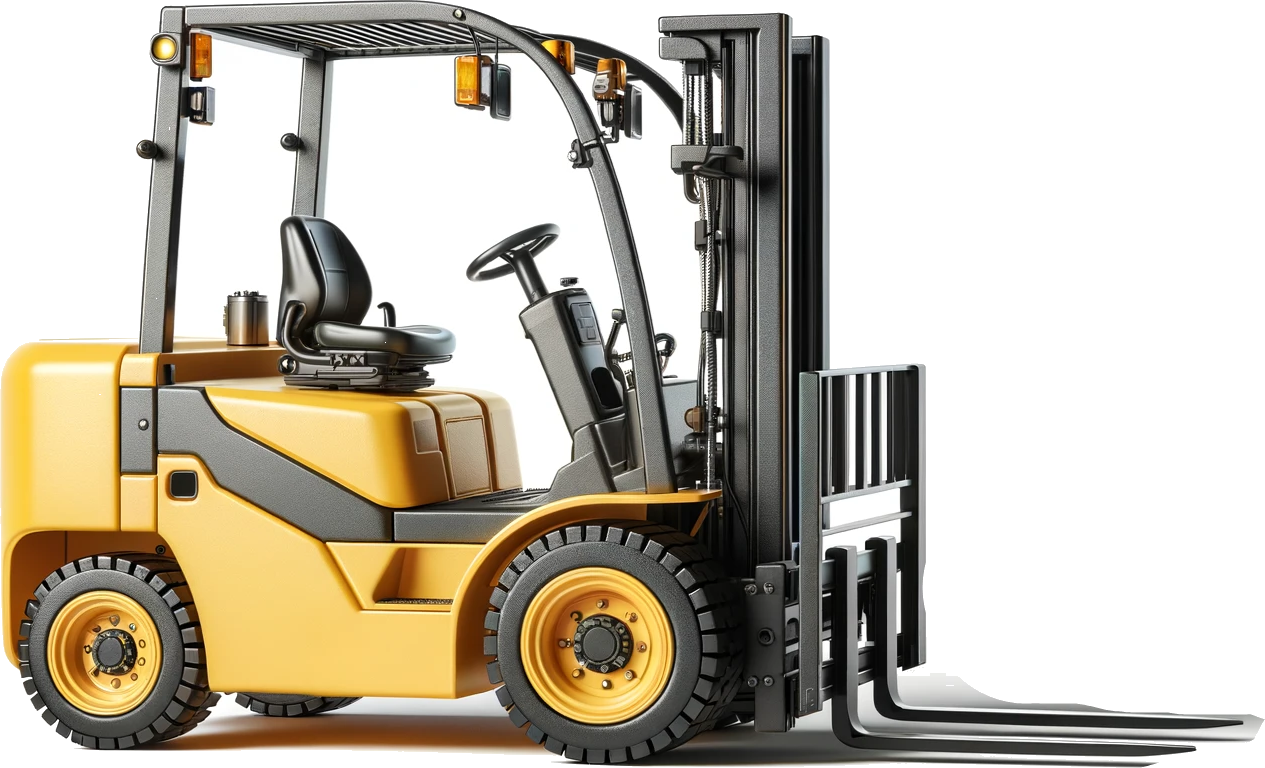
Warehouse Electrification Is Becoming an Infrastructure Strategy, Not an Equipment Upgrade
 By Charles Weber · Aug 3, 2026 · 3 min read
Warehouse electrification is accelerating as operators seek to reduce operating costs, improve equipment uptime, and meet sustainability goals. But for many organizations, replacing internal combustion forklifts with electric alternatives has proven to be far more complex than swapping one vehicle for another.
The transition increasingly requires coordinated decisions across facilities, energy infrastructure, finance, operations, and maintenance. Organizations that approach electrification as a standalone equipment purchase often encounter delays, unexpected infrastructure costs, and operational disruption that could have been avoided through earlier planning.
According to Modern Materials Handling's 2025 Annual Industry Report, more than 70% of warehouse operators identified fleet electrification or energy infrastructure upgrades as a priority over the next three years, reflecting growing investment beyond equipment replacement.
Electrification Exposes Broader Operational Dependencies
As battery-powered material handling equipment becomes more common, organizations are discovering that warehouse readiness depends as much on facility planning as on equipment selection.
Damon Hosmer, Director of Technology Solutions Sales at Toyota Material Handling North America, said one of the industry's biggest misconceptions is viewing electrification as a forklift replacement project.
"One of the biggest misconceptions is that converting from internal combustion to electric is simply a truck replacement project. In reality, it's an operational transformation that touches facilities, energy infrastructure, finance, operations, and maintenance all at once."
Hosmer said successful projects typically begin long before new equipment arrives, requiring organizations to assess electrical capacity, involve utility providers, align executive stakeholders, and develop phased implementation plans that minimize disruption.

"Ultimately, the technology is rarely the biggest challenge. The organizations that achieve the best outcomes are the ones that treat electrification as a strategic business initiative rather than simply purchasing a different type of forklift."
The operational complexity has increased as warehouses attempt to modernize while maintaining continuous fulfilment operations. Charging infrastructure, power availability, maintenance planning, and fleet scheduling must all be coordinated without interrupting throughput.
Fleet Planning Extends Beyond Equipment Selection
Electrification decisions are increasingly being driven by operational performance rather than equipment specifications alone.
In a previous interview with The Supply Chainer, Keith White, Chief Commercial Officer at AutoStore, observed that warehouse operators are placing greater emphasis on extracting more value from existing operations instead of relying solely on large capital projects.
"The best part is you can actually see it's paying off. Operators are tracking real numbers now: how much capacity they added, throughput at peak, storage density, picking accuracy, uptime, plus labor cost per order and total cost of ownership."
The same shift is becoming visible in fleet electrification strategies, where organizations are evaluating investments through measurable business outcomes rather than purchase price.
Hosmer said leading warehouse operators begin by understanding fleet utilization and equipment consumption before evaluating available electrical capacity and charging infrastructure.
"They compare total cost of ownership—not just acquisition cost—while measuring expected improvements in uptime, maintenance savings, energy consumption, and operator productivity. Finally, they validate success through business outcomes like reduced operating expense, improved equipment availability, and a measurable return on investment."
Infrastructure Readiness Determines Long-Term Success
Warehouse electrification is increasingly becoming an infrastructure planning exercise rather than a technology deployment. Capital approval processes, facility upgrades, utility coordination, and phased implementation plans are now playing a larger role in project success than the choice of forklift itself.
The organizations achieving the strongest results are treating electrification as part of a broader warehouse modernization strategy, integrating equipment, charging infrastructure, energy planning, and operational workflows into a single business case.
As more distribution centres transition toward battery-powered fleets, competitive advantage is likely to depend less on how quickly operators purchase electric equipment and more on how effectively they prepare the operational ecosystem that supports it.