Visibility Isn’t the Problem Anymore. Inland Coordination Is
 By Hannah Kohr · Jun 11, 2026 · 3 min read
Updated: June 11. Containers are reaching shore faster than many operators can move them inland. For years, supply chain disruption at ports was treated primarily as a visibility problem. Logistics operators invested heavily in tracking systems, shipment monitoring platforms, and real-time ETA tools designed to improve awareness around inbound freight. But as inland congestion pressures intensify, many operators are discovering that visibility alone does not prevent delays once cargo leaves the vessel.
The real operational breakdown increasingly begins after discharge.
Across drayage networks, rail interfaces, warehouses, and inland distribution systems, delays are now being driven less by lack of data and more by fragmented execution between disconnected operational systems.
The Breakdown Happens Between Systems
According to Chad Schilleman, Vice President of Drayage Services at Trinity Logistics, the industry’s biggest failures are often deceptively small. “Where coordination breaks down most often is not in one dramatic failure, but in the handoffs,” Schilleman explained.
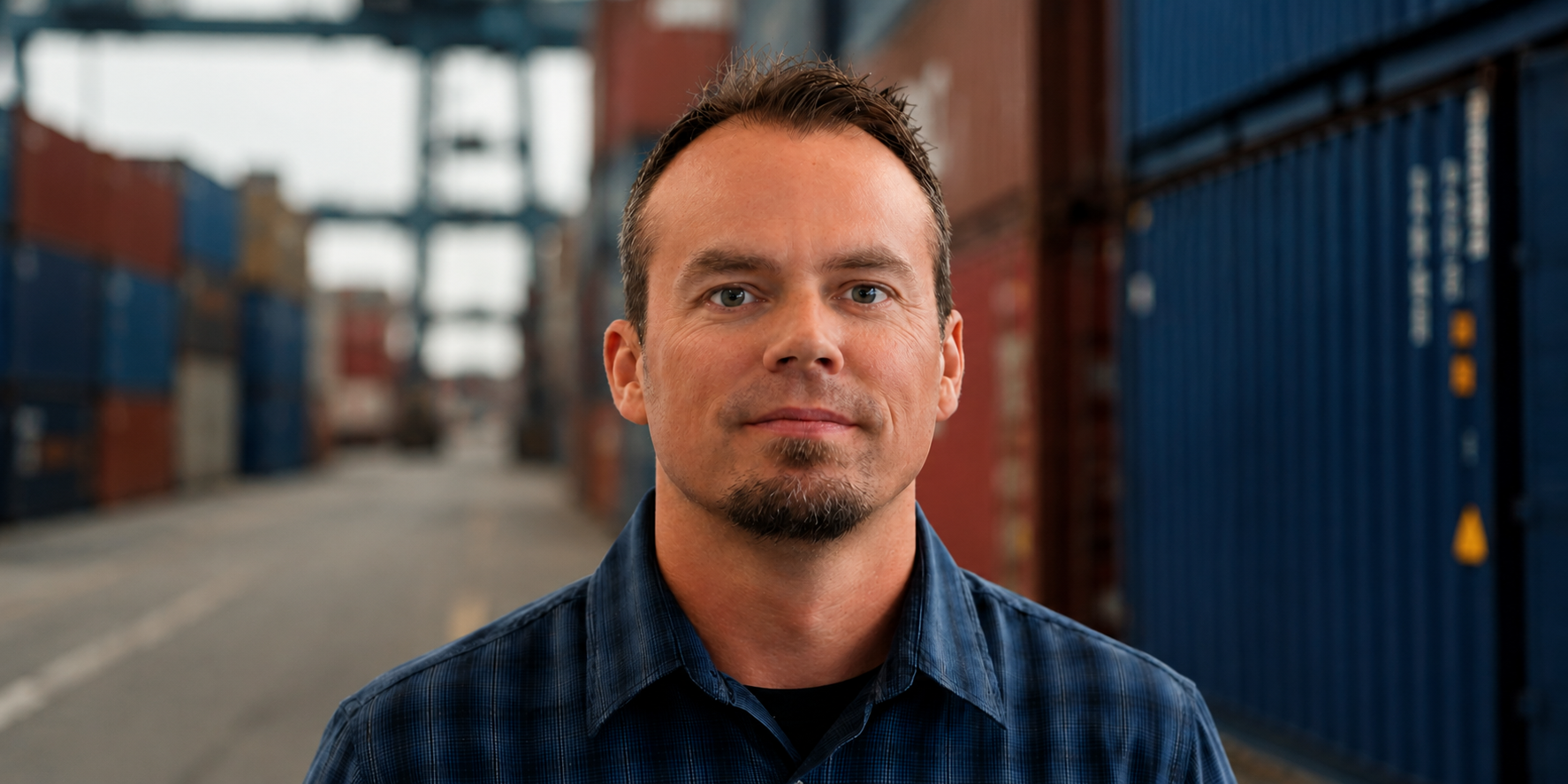
He pointed to incomplete discharge notices, mismatched rail routing, limited drayage appointment visibility, and poorly synchronized terminal updates as recurring operational pressure points across inland freight movement.
“That’s when containers sit, rail cutoffs are missed, storage and demurrage start to build, and a one-day exception becomes a week of problems,” he said. The problem is compounded by the way many organizations still manage port, rail, drayage, and warehouse operations separately. Visibility may exist within individual systems, but coordination across those systems often remains fragmented.
As inland freight volumes fluctuate and delivery windows tighten, operators are increasingly being forced to manage exceptions in real time rather than simply monitor container status.
“The operators that are getting this right are tightening the interface between visibility and execution,” Schilleman said. “They’re putting shared exception workflows around customer-impact priorities, not just container status.” That distinction is becoming increasingly important as detention costs, missed appointments, and asset utilization pressures continue to build across inland logistics networks.
Matt Yearling, CEO of YMX Logistics, notes that many organizations still treat yard operations as a visibility exercise rather than an execution challenge. “A company may know exactly where every trailer is located, but that does not automatically determine which trailer should move next, which dock should be prioritized, or how labor and equipment should be deployed to maximize throughput,” he said. According to Yearling, the gap between visibility and action stems from operating models that have not evolved to standardize processes and coordinate resources. A Yard Operating System (YOS) that integrates visibility, decision intelligence, and physical execution is becoming essential for closing this inland coordination gap.

Visibility Alone No Longer Solves the Problem
The shift is pushing operators toward coordination platforms designed not simply to display freight movement, but to synchronize operational decisions across stakeholders.
Amar More, President of Kalé Logistics Solutions, said many of the industry’s bottlenecks still originate from limited coordination between marine terminals and inland transport providers.
“Without knowing how many and what types of trucks are arriving when at the terminals, the processing starts only after the trucks arrive,” More explained. “With the lack of visibility on whether the cargo is ready for delivery or not, the trucks just come and wait at the ports causing congestion.”

To address this, ports and inland operators are increasingly deploying shared digital coordination platforms that synchronize appointments, paperwork, cargo readiness data, and payment processes across stakeholders before freight physically arrives at the terminal.
The operational gains can be significant.
According to More, some deployments have achieved dwell-time reductions of 25% to 40% after digitizing appointment coordination and shipment workflows.
In some airport cargo environments, throughput capacity has nearly doubled after operators reduced paperwork bottlenecks and improved coordination between truckers, freight forwarders, and cargo facilities.
The broader industry shift is becoming increasingly clear: visibility is no longer the end goal.
Execution coordination is. As inland networks become more congested and transportation margins tighten, the competitive advantage is moving toward operators capable of synchronizing freight movement, appointments, documentation, and operational decisions across fragmented systems in real time.
The challenge is no longer simply knowing where containers are. It is coordinating what happens next.