Update: Hormuz Strait - Project Freedom Underway as GCC Supply Chains Face Prolonged Disruption
 By Freddie Bolton · May 5, 2026 · 2 min read
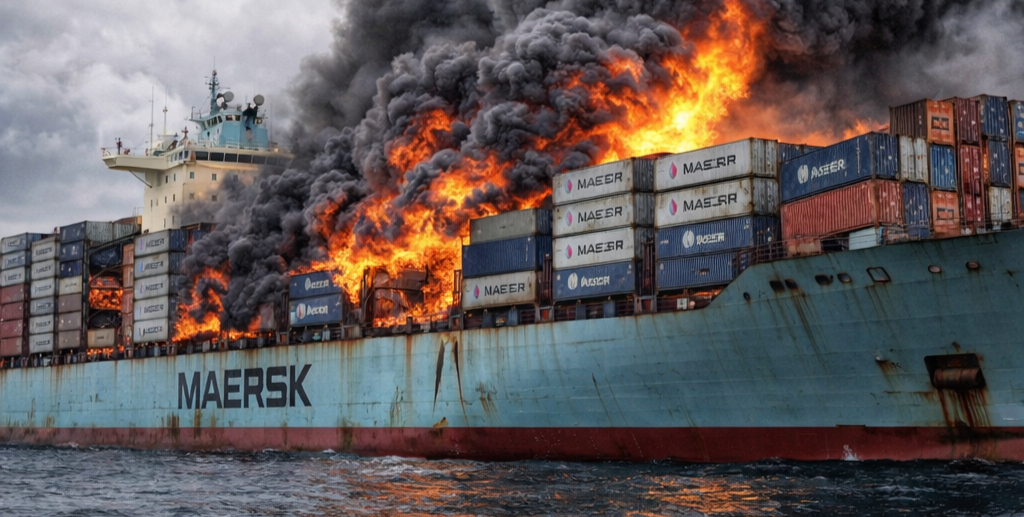
The current situation: On May 4-5, 2026, the United States launched “Project Freedom,” providing naval escorts to selected commercial vessels in the Strait of Hormuz. A Maersk-operated U.S.-flagged vehicle carrier, the Alliance Fairfax, successfully transited under U.S. Navy protection without incident, alongside limited additional passages. Despite this milestone, overall commercial traffic remains minimal — only a handful of vessels per day versus the normal 140 — while reports of renewed attacks on shipping highlight the fragile ceasefire and persistent risks. For supply chain professionals shipping goods into the Persian Gulf states, this means continued severe bottlenecks for inbound non-oil cargo, with weeks or months of backlogs still to clear even if transits gradually increase.
Heavy Impact on Inbound Supply Chains to GCC
GCC countries depend almost entirely on sea freight for food, pharmaceuticals, consumer goods, chemicals, and manufacturing components. Major ports such as Jebel Ali, Dammam, and Abu Dhabi lie inside the Gulf, requiring every inbound shipment to pass through Hormuz. Leading carriers — Maersk, Hapag-Lloyd, and CMA CGM — have sharply restricted new bookings, imposed Emergency and War Risk Surcharges of thousands of dollars per TEU, and diverted cargo to outer ports like Fujairah, Sohar, and Salalah for onward trucking.
Insights from Shipping and Logistics Professionals
Arsenio Longo, founder of maritime intelligence platform HUAX, noted on May 4 that “Without naval escorts, vessel owners will not treat this as a normal reopening of Hormuz. The US offer may help selected or stranded vessels move, but it does not automatically create commercial confidence.” This cautious outlook is echoed by Simon Kaye, Global Director of Reinsurance at NorthStandard, who described the current environment as “very much a watch and wait situation. It can’t be a complete rush to the exits. Each ship needs to get special dispensation to transit the strait.”
Peter Sand, Chief Analyst at Xeneta, added in April that “No shipper is insulated from financial or operational risk... This shows the workarounds are functioning for food and essential cargo into Middle East, but land bridges are constrained in terms of what kind and volume of goods they can handle, so shippers are still managing severe supply chain disruption.” Carriers themselves remain measured; Maersk and others continue to emphasize safety-first policies and have not yet restored full services to upper Gulf ports.
Recommendations for Supply Chain Managers
Industry experts urge immediate action: build 4-8 week buffer stocks for critical items, diversify entry points through outer Gulf ports plus trucking, review force majeure and escalation clauses in contracts, and monitor real-time updates from Maersk, Hapag-Lloyd, UKMTO, and Xeneta. Air freight remains an expensive option for urgent or high-value cargo only. Full normalization of services is likely to take weeks or months due to the massive backlog.
The situation in the Strait of Hormuz remains highly fluid. Supply chain professionals importing into the GCC should plan for extended lead times, elevated costs, and ongoing uncertainty in the months ahead.