ACT Expo 26 Focuses on the Tough Reality: Controlling Costs, Boosting Efficiency and Improving Safety in Fleets
 By Evan Porter · May 6, 2026 · 3 min read
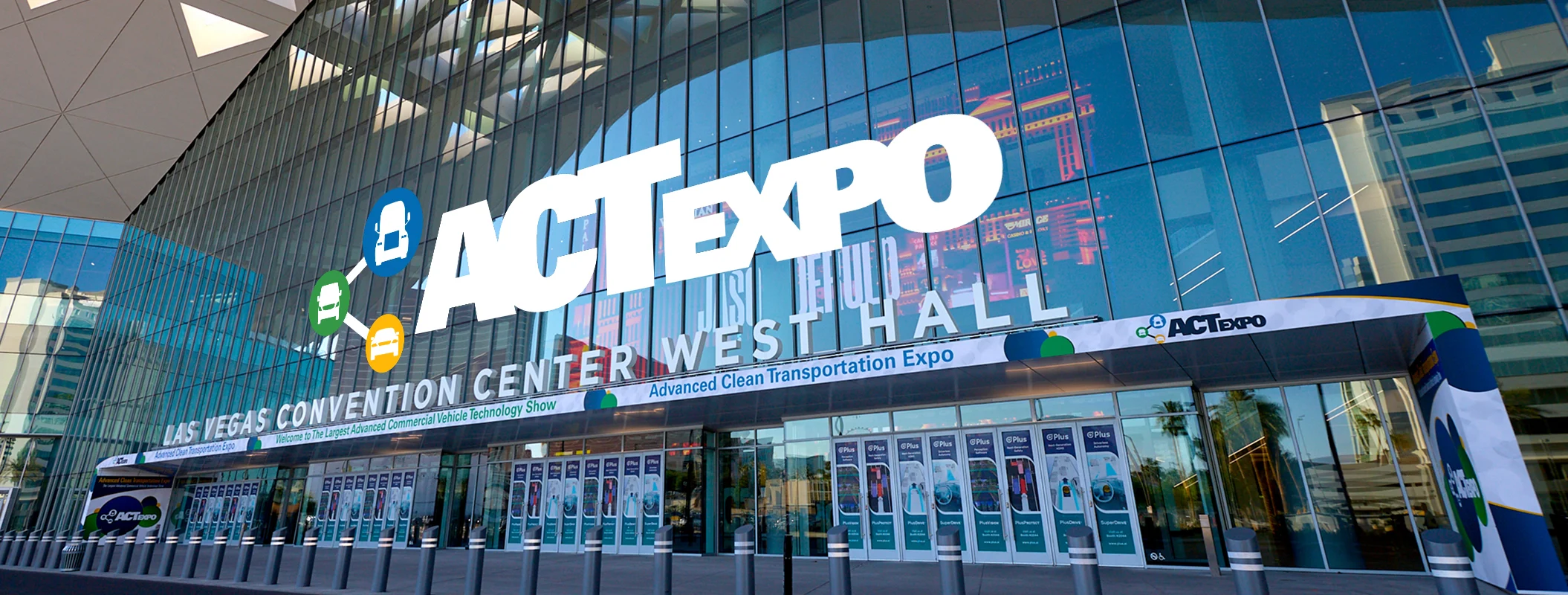
I stood yesterday in the vast halls of the Las Vegas Convention Center as ACT Expo 2026 opened its doors. Large booths, electric trucks ready for test drives, oversized screens and hundreds of fleet managers, vehicle buyers and logistics professionals walking around with name tags — the atmosphere was busy and focused. For supply chain professionals, this is not just another conference. It is where the industry confronts its real 2026 challenges: rising fuel and maintenance costs eating into margins, pressure on Total Cost of Ownership, stricter environmental regulations, driver shortages, and the constant need for higher efficiency in yards and last-mile deliveries.
Geotab focused on one of the industry’s fastest-growing concerns — the financial impact of fuel inefficiency and fleet fraud. Charlotte Argue, Senior Manager of Sustainable Mobility, presented new aggregated EV insights drawn from more than 100,000 connected electric vehicles, while the company also introduced tools designed to detect unauthorized fuel purchases and distinguish preventable idling from necessary equipment operation. According to the company, fleets are increasingly turning to real-time telematics data as diesel prices and operating costs continue to rise. Geotab noted that 41% of heavy-duty trucks in the U.S. travel less than 250 miles before returning to base, highlighting where electrification is already operationally viable, while also pointing to widespread EV underutilization across fleets.
WEX highlighted a growing operational challenge for fleets transitioning to mixed-energy environments: managing diesel, electric and alternative fuel payments through fragmented systems. Brian Fournier, Americas Senior Vice-President and General Manager, Mobility, said fleets increasingly require unified payment and reporting infrastructure that can handle both traditional fueling and EV charging under a single platform. At ACT Expo 2026, the company showcased tools for mixed-fuel fleet management, including depot charging controls, at-home charging reimbursement and analytics capabilities designed to improve visibility into energy spend. WEX also emphasized the rising importance of fraud prevention as payment ecosystems become more complex, pointing to increased use of AI-driven monitoring, telematics integration and customizable controls to reduce financial risk while simplifying administration for fleet operators.
Harbinger presented its new HC Series Cab, a medium-duty low-cab-forward truck available in fully electric and plug-in hybrid versions, now open for the first hands-on ride-and-drive experiences. Phil Weicker, co-founder and CTO, explained that demand is driven primarily by economic pressure rather than subsidies. The company sold 733 electric vehicles in 2025, and the new model offers annual savings of $14,000 to $24,000 per truck on typical delivery routes, plus the ability to serve as a 15 kW mobile power station.
YMX Logistics focused on one of logistics’ biggest bottlenecks — yard operations. Matt Yearling, CEO, participated in the panel “Real-World Automation: On the Road and In the Yard” and presented the company’s Autonomous Yard Operating System. The solution uses real-time data to improve uptime, reduce waiting times and enhance safety in busy yards where delays are expensive.
Hino Trucks unveiled its new Le Series medium-duty battery electric truck, built on a proven platform. Rodney Shaffer, Vice President of National Accounts and Zero Emission Vehicles, said the model is designed to deliver practical steps toward lower emissions while keeping operating costs competitive — a direct response to both regulatory and environmental pressures facing fleet operators.
HEVO demonstrated wireless charging for electric commercial vehicles. Jeremy McCool, founder and CEO, noted that manual plugging and unplugging is time-consuming and creates high maintenance costs. The company’s “park and charge” system reduces downtime and improves efficiency for growing electric last-mile fleets.
BorgWarner highlighted what fleet managers talk about most — maximum uptime. Nick Andalora, Senior Sales Manager, showcased thermal management, power electronics and battery systems that minimize failures and keep vehicles on the road. In an industry where every hour of downtime directly hits profitability, these solutions matter.
Valeo made its first appearance at the show and emphasized its shift from components to complete systems — from e-propulsion to ADAS and sensor cleaning. Detlef Juerss, Chief Sales and Business Development Officer, said the company is building the integrated technology that will make autonomous and safer trucking a commercial reality, especially relevant amid driver shortages and rising safety demands.
At the end of the day, ACT Expo 2026 is not selling futuristic dreams — it is showcasing working solutions that directly address the economic and operational pain points of today’s logistics industry. Those who adopt them now will be better positioned to handle the pressures of 2026 and beyond.