Resilient Supply Chain Podcast: AI, Procurement and the ERP Gap
 By The Supply Chainer · Jul 7, 2026 · 3 min read
This week’s episode of the Resilient Supply Chain Podcast examines why direct procurement remains a critical blind spot in many manufacturing organisations.
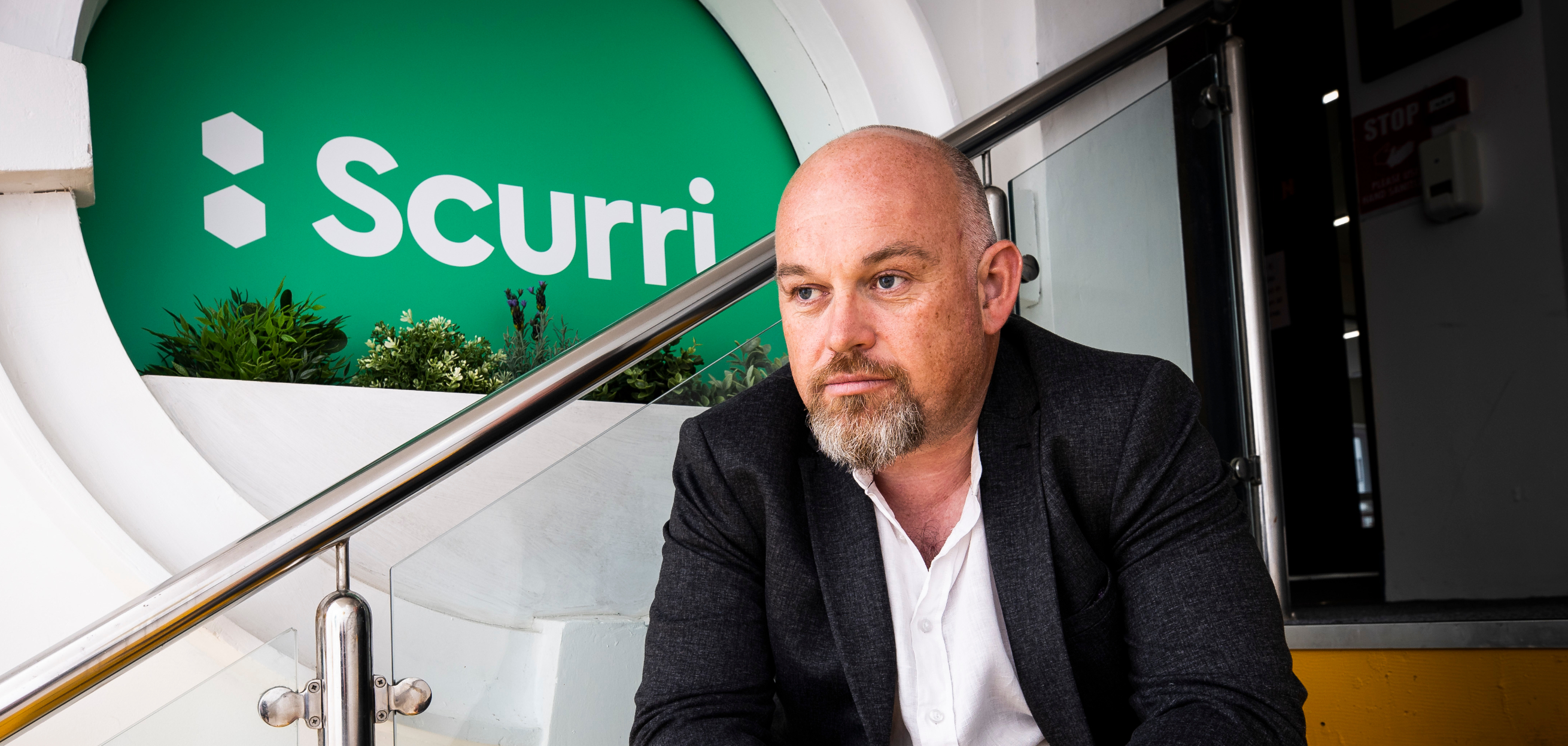
Host Tom Raftery speaks with Spencer Penn, CEO and co-founder of LightSource, about the gap between formal enterprise systems and the real work of supplier selection, negotiation and cost control.
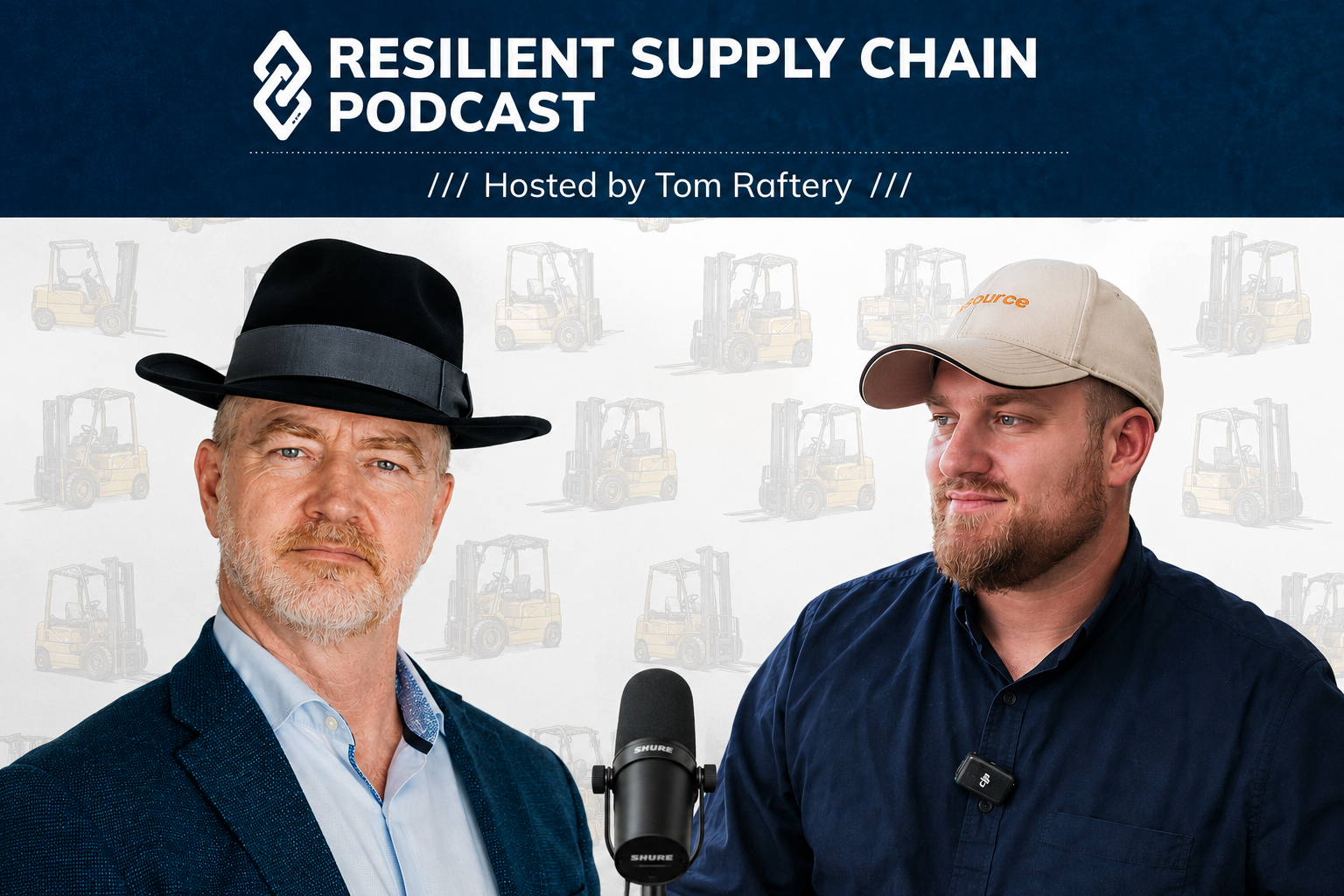
The discussion focuses on how procurement data, AI agents and sourcing governance affect speed, resilience and operational risk. For supply chain leaders, the issue is not simply technology adoption, but whether key decisions are visible early enough to influence outcomes. The full episode is available at www.resilientsupplychainpodcast.com
The hidden workflow behind procurement systems
The central tension in the conversation is that many organisations believe procurement has been digitised because ERP or sourcing tools are in place. Penn argues that this can create a false sense of control.
In practice, supplier decisions may still be made through spreadsheets, emails and fragmented exchanges between engineering, finance, procurement and suppliers.
Penn describes sourcing as a process where engineering specifications change, supplier questions circulate, prices move and multiple stakeholders become involved. In some cases, he says, it can take “500 to 2000 emails” to determine the right supplier, price and fairness of the quote.
By the time that information reaches the ERP, the commercial decision has often already been made. As Penn puts it, “the first time you really touch a digital system is when the battle is already won or lost.”
Speed as a resilience factor
The episode also frames procurement speed as a competitive and resilience issue.
Penn argues that a new generation of manufacturers is competing less on established process and more on pace of execution. That matters because the cost of turbulence, retooling and waste is often visible, while the advantage of reaching market sooner is harder to quantify.
For operations leaders, this creates a governance challenge. If sourcing cannot keep up with engineering iteration, procurement becomes a drag on launch speed, cost discipline and supplier accountability. The discussion suggests that supply chain resilience increasingly depends on decision latency as much as supplier availability.
AI as augmentation, not replacement
A key distinction in the conversation is between automation and augmentation.
Penn argues that direct procurement should not be viewed primarily as a headcount-reduction opportunity because the value under management is too large. Individual procurement managers may influence decisions that create or destroy hundreds of millions of dollars in value.
This is where agentic AI becomes strategically relevant. Penn distinguishes between systems of record, which store data, and systems of action, which move work forward.
In procurement, that could include supplier discovery, RFX preparation, quote follow-up, market-change signals and post-award monitoring.
The objective is not to remove human judgement, but to improve the quality, timing and accountability of decisions.
Cost creep after award
One of the clearest operational examples concerns an automotive EV programme where part of a vehicle was sourced through a platform and part was not. Penn says the comparison created an unintended A/B test. The sourced categories saw 25% shorter sourcing cycles and a 37% reduction in cost creep.
The more important insight is where that cost creep appears. Penn argues that suppliers may offer a strong initial price to win the award, but once the award is secured, their incentive can shift towards recovering margin through later design changes.
That makes post-award governance central to cost control, especially in innovative manufacturing environments where designs continue to evolve.
The strategic takeaway is that procurement resilience depends on visibility before decisions harden. ERP, by itself, may be too late to prevent margin leakage, supplier risk or launch delays. For senior supply chain and procurement leaders, the challenge is to build operating models where data integrity, AI-enabled action and human accountability work together before the commercial battle has already been decided.