Opinion: The Supplier Illusion - Why “Qualified” Vendors Still Break Your Supply Chain?
 By Saketh Vishwakarma, Wichita State University, Kansas · Apr 8, 2026 · 3 min read
In large-scale manufacturing and infrastructure programs, supply chain performance is often treated as a support function, important but secondary to engineering innovation or program management. In practice, however, supplier capability, risk visibility, and execution discipline frequently determine whether a project meets its milestones or quietly accumulates delays that only become visible once recovery is expensive.
The Reality of Supplier Performance
This becomes especially clear in complex production environments where a single constrained supplier can halt an entire assembly line. Experience in high-dependency manufacturing systems shows that the difference between a resilient operation and a fragile one lies less in contracts or cost negotiations, and more in how deeply organizations understand and actively manage supplier performance at the operational level.
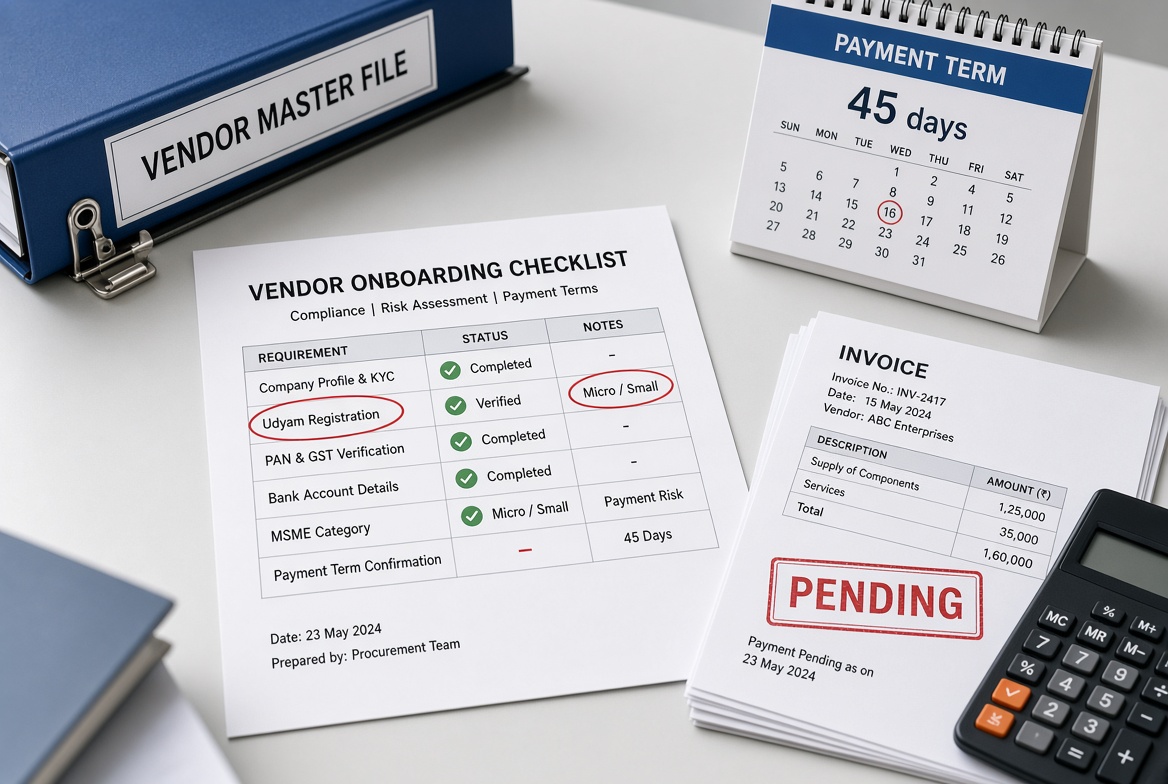
One recurring issue in supplier management is the gap between reported capability and actual performance under production pressure. Suppliers may meet qualification standards and pass audits, yet still fail when demand scales or process variability increases. On-site assessments and continuous engagement are therefore critical, often revealing constraints not visible in standard reporting systems.
When Systems Fail
In one case involving a critical component, a supplier consistently delivered parts with an extremely high rejection rate, approaching near-total non-conformance. Despite certifications and capacity commitments on paper, process instability and inadequate quality controls created systemic failures. The impact was immediate: disrupted production schedules and reactive firefighting across internal teams.
A structured supplier transition and development approach resolved the issue. This included identifying an alternative supplier, supporting early-stage development, and coordinating across engineering, quality, and procurement teams. While resource-intensive upfront, it restored production continuity and reduced long-term dependency on a failing source.
From Reactive to Proactive Management
This highlights a broader point: supplier management must evolve from reactive issue resolution to proactive capability building. Organizations relying solely on expediting and escalation are managing symptoms rather than root causes. Sustainable approaches require structured mechanisms for performance tracking, early risk detection, and supplier development.
The Role of Data and Technology
Digital tools can support this shift, but only when implemented with clear operational purpose. In many organizations, supplier data remains fragmented across spreadsheets, emails, and siloed systems, limiting visibility and delaying intervention. Centralized supplier lifecycle and performance platforms enable standardized assessments, KPI tracking, and stronger accountability.
However, technology alone is insufficient. Value comes from how data is used. Structured supplier scorecards tied to operational metrics - such as on-time delivery, defect rates, and capacity utilization - enable objective decision-making and more effective cross-functional alignment.

Hidden Risk Factors
An often overlooked dimension of supplier risk is workforce stability. In industries with high unionization or specialized labor requirements, disruptions can have immediate consequences. Yet many organizations do not systematically track this risk.
Building visibility into labor agreements, contract timelines, and workforce composition can provide early warning signals and enable contingency planning - particularly for single-source suppliers.
Supplier Engagement as a Strategic Lever
Beyond risk mitigation, supplier engagement can drive innovation. Structured interactions such as technical workshops and collaboration sessions help align on future requirements and uncover new approaches. These are most effective when tied to concrete program needs and followed by actionable outcomes.
Building Long-Term Resilience
Resilience is built through consistency rather than one-time initiatives. Regular assessments, clear metrics, and ongoing communication create a stable baseline. Supplier segmentation based on criticality and risk ensures that resources are focused where they matter most.
Ultimately, supply chain performance is about managing uncertainty. Whether driven by process variability, capacity constraints, or external factors, the ability to anticipate and respond determines overall success.
For decision-makers in manufacturing and infrastructure sectors, investing in supplier capability, visibility, and structured engagement is not optional. It is a core component of execution strategy. By shifting from reactive management to proactive development, organizations can reduce disruptions and build more agile, reliable supply chains - turning operational discipline into competitive advantage.
The views expressed are the author’s own, Saketh Vishwakarma, Energy Infrastructure & Supply Chain Specialist, Wichita State University, Kansas, and do not necessarily reflect those of The Supply Chainer editorial team.