

Navigating the New Normal: How Regional Hubs Anchor Global Trade in Volatile Times
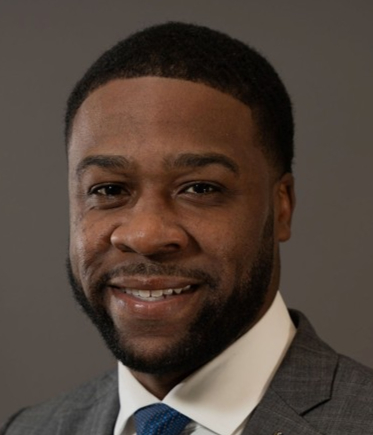
- Thomas Young, CEO of World Trade Center Greater Philadelphia
- Mar 13
- 3 min read
When it comes to global trade, “certainty” is largely a thing of the past. Today’s supply chain leaders are navigating a landscape defined by geopolitical tensions, shifting tariff policies and rapid technological transitions. For those who have spent decades in this industry, the pace of change we are seeing now would have been hard to imagine even ten years ago. Volatility has become part of the operating environment.
In moments like this, regional hubs take on greater importance. Cities like Philadelphia were once viewed primarily as transit points within global supply chains. Today they function as sophisticated ecosystems where infrastructure, industry expertise and international business networks come together to help keep trade moving and provide a measure of stability during uncertain times.
Resilience as Infrastructure
The resilience of the U.S. Northeast corridor is being tested - and proven. The Port of Philadelphia (PhilaPort) continues to strengthen its role as a key gateway, supported by direct shipping connections to major markets across Asia, Europe, South America and Mexico. In 2025 alone, the port handled record container volumes and outpaced national trade growth, underscoring the region’s ability to adapt and compete even during a volatile period for global supply chains.
The regional network is also expected to receive a significant boost with the anticipated reopening of the Francis Scott Key Bridge in Baltimore. Together these assets form the backbone that helps keep the U.S. Northeast competitive in the global marketplace.
But infrastructure alone cannot offset policy volatility. As national trade debates shift, regional hubs play an important role in keeping commerce moving by relying on trusted peer-to-peer relationships that allow businesses to continue working directly with partners around the world. In an era of global uncertainty, the U.S. Northeast corridor is increasingly demonstrating how strong infrastructure, operational efficiency and regional collaboration can keep trade flowing and markets connected.

From Reactive to Proactive Strategy
To remain competitive in this “fragile digital economy,” businesses must move beyond being reactive. Building a proactive approach is vital in these times and includes:
• Diversifying Connections with Networks: Strengthening international ties through professional associations helps businesses, particularly SMEs, stay ahead of upheavals.
• Preparing for Geopolitical Shifts: Political shifts are inevitable. Resilient businesses develop change management strategies that allow them to adapt and continue operating effectively across election cycles.
• Embracing Innovation: The integration of AI and sustainable practices is no longer optional. These are the tools that will create the efficiencies needed to offset trade disruptions.
The Power of the Global Network
This proactive philosophy is the driving force behind the 2026 World Trade Centers Association (WTCA) Global Business Forum (GBF), hosted by World Trade Center Greater Philadelphia from April 19-22. In a time of shifting trade dynamics, WTCA remains a consistent, non-political platform dedicated to the principles of open markets and fair competition.
The annual WTCA GBF is designed to move beyond networking toward supply chain alignment and collaboration. This year, by focusing on five key sectors - Life Sciences, Manufacturing, Innovation & Technology, Food & Agriculture and Higher Education - we are creating a structured environment where delegates can connect with qualified partners and establish clear next steps before they even arrive.
A Gateway for the Future
As the birthplace of the United States, Philadelphia is preparing for two major global moments: the country’s 250th anniversary and the FIFA World Cup. These events will place the region at an important crossroads for international commerce. Our goal is to ensure that this historic moment becomes a catalyst for lasting international partnerships and new opportunities for businesses across the region.
Navigating trade volatility requires a commitment to collaboration and a robust network that can weather any storm. By leveraging regional strengths and global connections, we can turn this era of rapid change into an opportunity to build a more efficient and expansive global trade landscape.
That vision is reflected in the theme of this year’s WTCA GBF: Historic Foundations, Future Collaborations: Cultivating New Business Frontiers. As the world’s attention turns to Philadelphia, we have an opportunity not only to reflect on our past, but to strengthen the partnerships that will shape the next 250 years of global commerce.
The author Thomas Young is President and CEO of World Trade Center Greater Philadelphia. The views expressed are the author’s own and do not necessarily reflect those of The Supply Chainer editorial team.


Comments