Lithium Battery Suppliers Target Industrial Vehicle Electrification as ENEROC USA Enters North American Market
 By Sophia Hernandez · Mar 10, 2026 · 4 min read
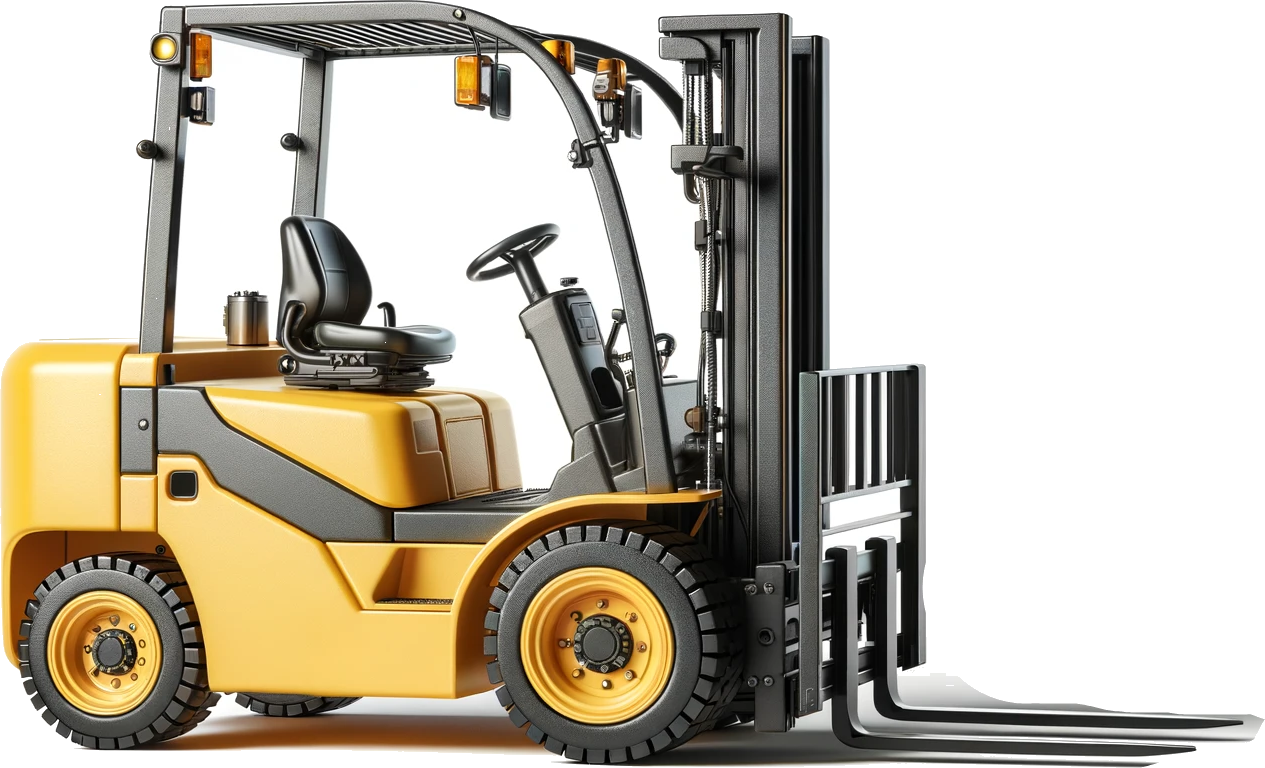
The electrification of industrial equipment is accelerating across logistics, warehousing, construction, and other off-highway sectors, creating growing demand for high-capacity lithium battery systems capable of supporting heavy-duty operations. Forklifts, aerial work platforms, sweepers, and other industrial vehicles are gradually transitioning from lead-acid battery systems toward lithium-based alternatives that promise longer operational cycles, reduced maintenance requirements, and improved energy management.
At the same time, manufacturers and fleet operators face operational constraints around reliability, safety certification, lifecycle cost, and service continuity. Battery performance failures in material handling environments can halt warehouse operations, delay production workflows, or interrupt logistics throughput. As a result, suppliers entering the North American market are positioning their products not only around energy density but also around durability testing, remote monitoring, and after-sales support.
ENEROC USA announced the launch of its North American operations in written materials shared with media. The company is backed by Contemporary Amperex Technology Co., Limited (CATL), a global lithium battery manufacturer. According to the announcement, CATL held a 39.2 percent share of the global EV battery market in 2025.
Targeting Industrial and Off-Highway Electric Vehicles
ENEROC focuses on lithium battery systems designed specifically for industrial vehicles and off-highway electric equipment rather than passenger EV platforms. Applications cited by the company include forklifts, aerial work platforms, narrow-aisle lift trucks, floor cleaning machines, and other electric industrial vehicles.
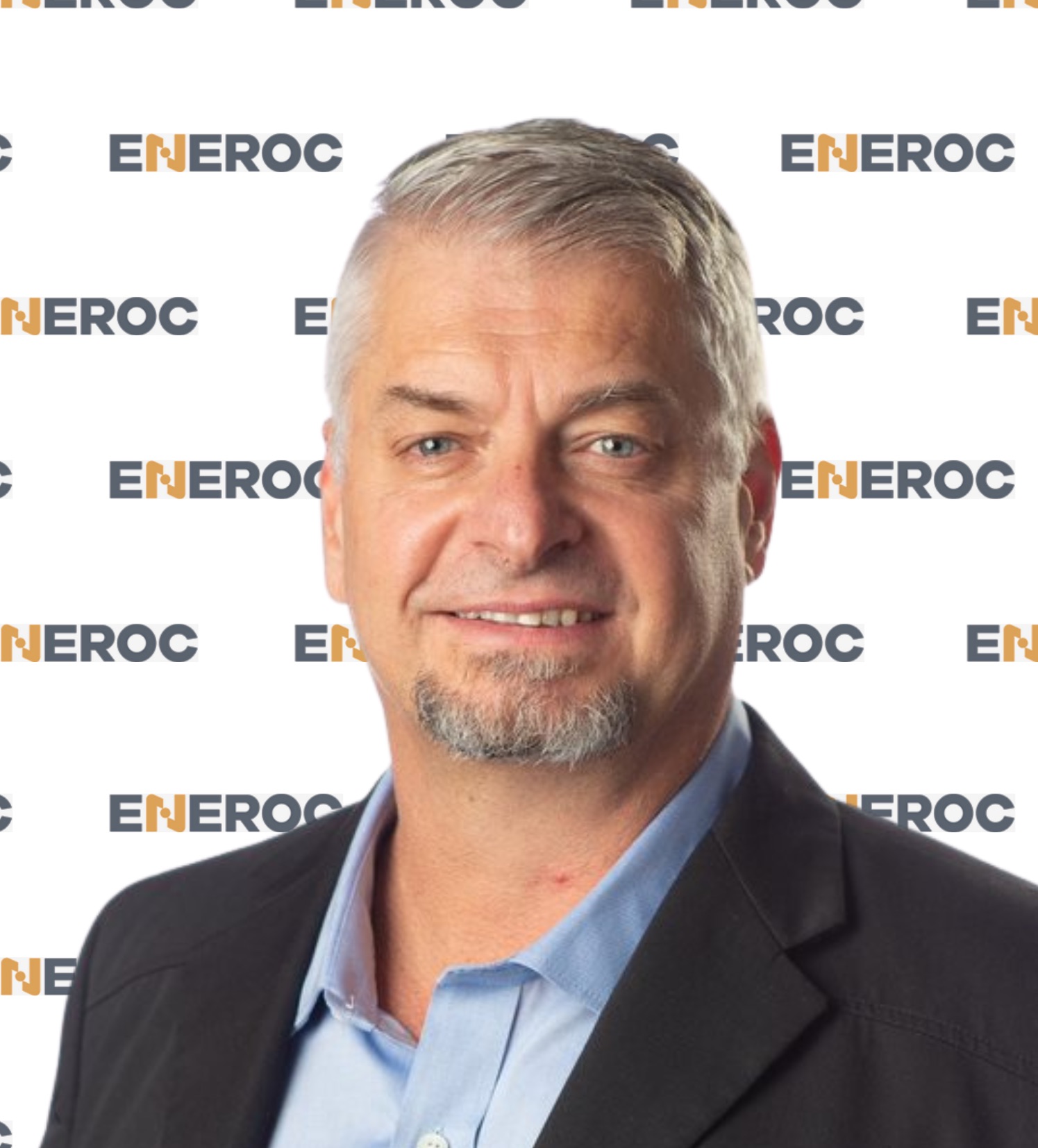
Sandro Pagliarulo, CEO of ENEROC USA, said the company intends to expand lithium battery adoption within industrial equipment fleets. “ENEROC USA is here to redefine the energy landscape for industrial and off-highway EVs,” Pagliarulo said in written remarks. “With our technology, after-sales support, and commitment to sustainability, we believe we can meet the expectations of North American customers.”
Industrial electrification differs significantly from passenger EV markets. Equipment often operates in high-vibration environments, with frequent charge cycles and extended operating hours. Battery systems must tolerate shock, temperature variation, and continuous load without compromising safety or uptime.
To address these constraints, ENEROC states that its battery systems incorporate proprietary battery management systems designed to monitor real-time cell state of charge and optimize performance across operating cycles.
Battery Architecture and Safety Features
Battery management systems (BMS) are central to modern industrial lithium battery deployments. They regulate cell balancing, monitor thermal conditions, and manage charging and discharging behavior to extend lifecycle performance.
ENEROC states that its BMS includes real-time state-of-charge correction functions designed to maintain optimal battery performance under varying operating loads.
The company also highlights several safety features integrated into its battery packs, including built-in fire suppression mechanisms and 4G tracking modules for remote monitoring. Remote connectivity allows operators or service providers to monitor battery health and system status without requiring physical inspection of equipment in the field.
According to the company, its battery units have undergone certification testing from organizations including UL and SGS. The batteries are also described as IP-rated and tested under conditions such as vibration and drop testing intended to simulate industrial operating environments.
ENEROC reports that its lithium battery packs are designed to support an expected lifespan of approximately 12 years or up to 4,000 charge cycles. The products are sold with a six-year warranty. The batteries are manufactured using CATL cell technology. According to the company, CATL’s manufacturing process involves more than 3,600 quality-control checkpoints and AI-assisted inspection systems intended to identify production defects. ENEROC states the manufacturing process achieves a defect rate measured in parts per billion.
After-Sales Support and Remote Monitoring
Beyond battery hardware, industrial buyers often evaluate the reliability of vendor support programs. Equipment downtime caused by battery failures can interrupt warehouse operations, logistics movements, or manufacturing lines.
ENEROC says its North American operations will provide 24-hour remote support to customers operating industrial fleets. The company states that its service model is intended to minimize operational disruption through remote diagnostics and system monitoring.
Remote support has become increasingly common within industrial battery deployments, particularly when systems include connectivity modules capable of transmitting performance data and alert signals.
ENEROC also states that it participates in CATL’s battery recycling program as part of lifecycle management for lithium battery products.
Battery recycling is becoming a growing regulatory and environmental consideration in North America and Europe as lithium battery adoption expands across transportation and industrial sectors.
Global Manufacturing Footprint
ENEROC was founded in 2018 and is headquartered in Hangzhou, China. The company reports that it operates in more than 30 countries and maintains regional offices in Germany, Japan, Italy, Korea, Singapore, and the United States.
According to the company, more than 180,000 battery packs have been sold globally. The company also cites manufacturing capacity of approximately 18 gigawatt-hours.
ENEROC’s battery systems are used across a range of voltage configurations from 24 volts to 750 volts, allowing deployment across multiple categories of electric industrial vehicles.
The company says its products are used by manufacturers of off-highway electric vehicles and industrial equipment, including Crown, Doosan, Hangcha, HELI, Hyster, Jungheinrich, Linde, and Toyota.
Competition in the Industrial Battery Sector
The industrial lithium battery sector includes several established suppliers serving forklift fleets and electric material handling equipment. Companies such as Flux Power, Green Cubes Technology, OneCharge, and BYD have developed lithium battery systems designed for warehouse and logistics equipment. Large battery manufacturers including CATL and LG Energy Solution are also expanding partnerships within industrial electrification markets.
Competition in the sector increasingly focuses on battery lifecycle cost, charging efficiency, safety certification, and service support networks rather than energy density alone.
Expanding Electrification Across Industrial Fleets
Industrial vehicle electrification continues to expand as warehouse automation, e-commerce logistics, and sustainability mandates push operators toward electric equipment platforms.
Lithium battery systems offer advantages over traditional lead-acid batteries, including faster charging cycles, reduced maintenance requirements, and longer usable lifespans. However, higher upfront cost and integration requirements remain considerations for fleet operators evaluating technology transitions.
As industrial fleets modernize, battery suppliers entering new markets must demonstrate reliability, regulatory compliance, and service capabilities alongside performance specifications. The entry of additional lithium battery providers into North America reflects the broader shift underway across industrial equipment markets as electrification expands beyond passenger vehicles into logistics, construction, and material handling operations.