Trump Imposes De Facto Maritime Siege as Hundreds of Vessels Stall Around Hormuz
 By Hannah Kohr · Apr 14, 2026 · 2 min read
Over the past 24 hours, the situation in and around the Strait of Hormuz has shifted from controlled access to what operators increasingly describe as a de facto maritime siege. Direct pressure from Donald Trump, including explicit public threats toward Iran, has coincided with a sharp drop in vessel movement and a growing backlog of ships unable or unwilling to transit the corridor.
Traffic that had partially resumed under a fragile ceasefire framework is now deteriorating again. Industry conversations indicate that hundreds of vessels - including tankers, container ships, and bulk carriers - are either holding position, rerouting, or awaiting clearance amid escalating uncertainty. What was a constrained corridor is now functionally gridlocked.
From Controlled Corridor to Strategic Chokepoint
In the days prior, Hormuz operated under tightly managed conditions, with limited tanker flows and case-by-case approvals. That model is now breaking down. Operators report that coordination mechanisms are no longer reliable, and informal permissions are being replaced by outright hesitation to enter the zone.
Carriers that had begun testing limited re-entry have pulled back again. Energy flows - particularly crude shipments to Asia - are slowing, with some cargoes delayed mid-journey and others never dispatched. The corridor is no longer just risky. It is increasingly non-functional.
Hundreds of Ships Waiting - or Turning Away
The most immediate impact is visible at sea. Vessel tracking and operator reports point to a rapidly growing queue:
- Tankers idling in the Gulf, awaiting clarity on transit conditions
- Container ships diverting toward longer routes around Africa
- Bulk carriers delaying departures from origin ports
This is not a single chokepoint delay. It is a system-wide pause. Each additional hour compounds congestion, distorts schedules, and locks up capacity across global fleets.
Trump’s Pressure Changes the Operating Equation
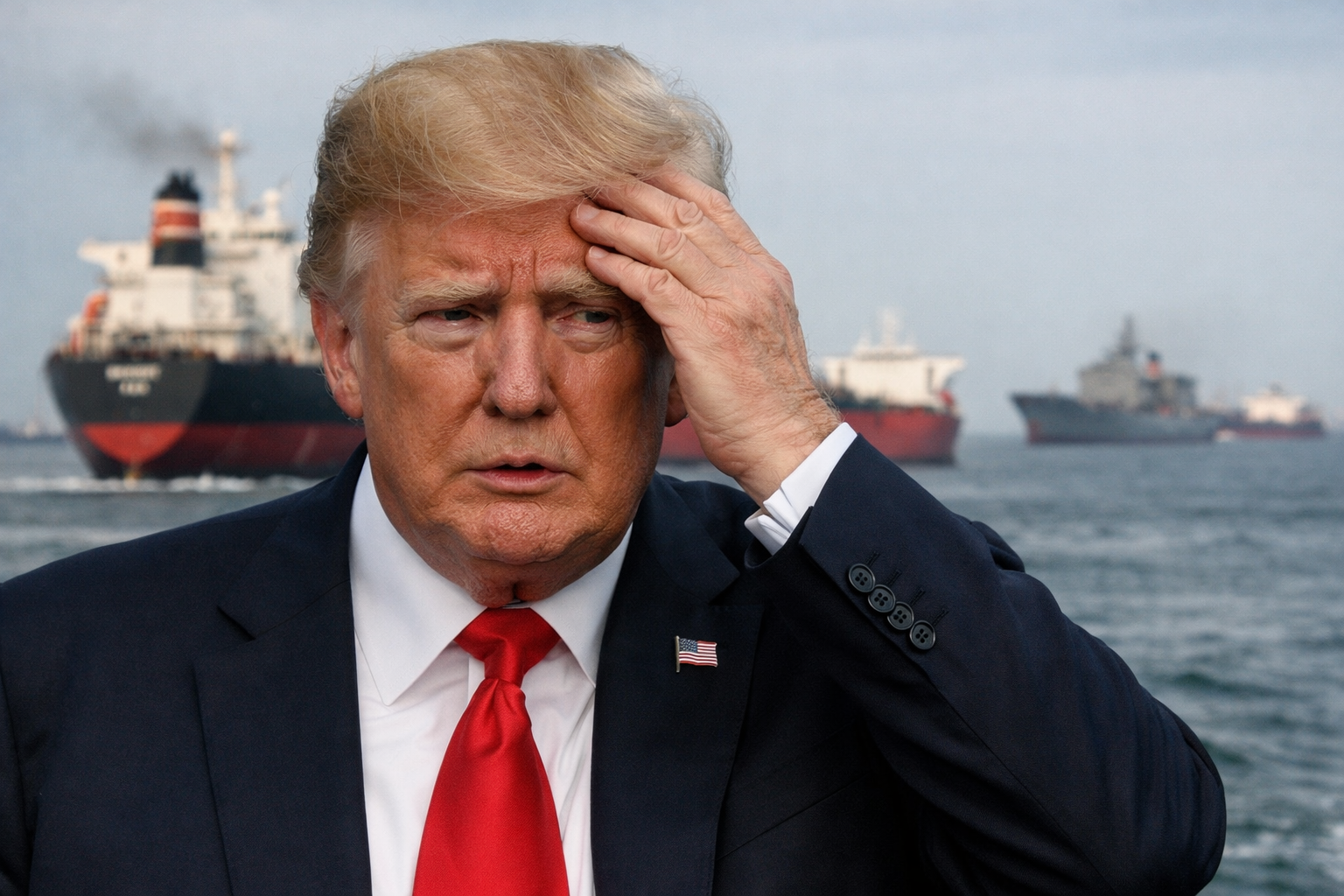
Trump’s latest escalation - publicly demanding that Iran reopen the strait under threat of severe consequences - has introduced a new variable: political volatility overriding operational logic.
For supply chain operators, this shifts the risk calculus. The issue is no longer just physical security or insurance pricing. It is unpredictability at the decision-making level. A single statement can alter routing decisions globally within hours.
Immediate Supply Chain Impact
The effects are already cascading:
- Oil shipments delayed, tightening near-term supply expectations
- Freight rates beginning to react as available vessel capacity shrinks
- Transit times extending as rerouting becomes the default
- Insurance markets freezing or repricing risk in real time
Inventory planning is the next pressure point. Delays at Hormuz translate into downstream disruptions across manufacturing, energy, and retail supply chains within days, not weeks.
What This Means Now
The system is no longer operating under disruption. It is operating under constraint with no clear resolution path.
Hormuz has shifted again - from a fragile corridor to a strategic chokepoint shaped directly by geopolitical signaling. For operators, the implication is immediate: assume continued blockage, not recovery, and plan accordingly.