From Apprentice To Qualified Paint Technician: What Early-Career Talent Wants From Skilled Trades
 By Hannah Kohr · Feb 15, 2026 · 2 min read
As logistics, materials handling, and industrial services companies grapple with skills shortages, apprenticeships are increasingly viewed as a practical pipeline for building long-term technical capability. For many employers, the challenge is not just attracting young talent, but offering training paths that translate quickly into real operational contribution.
Choosing Skills Over University
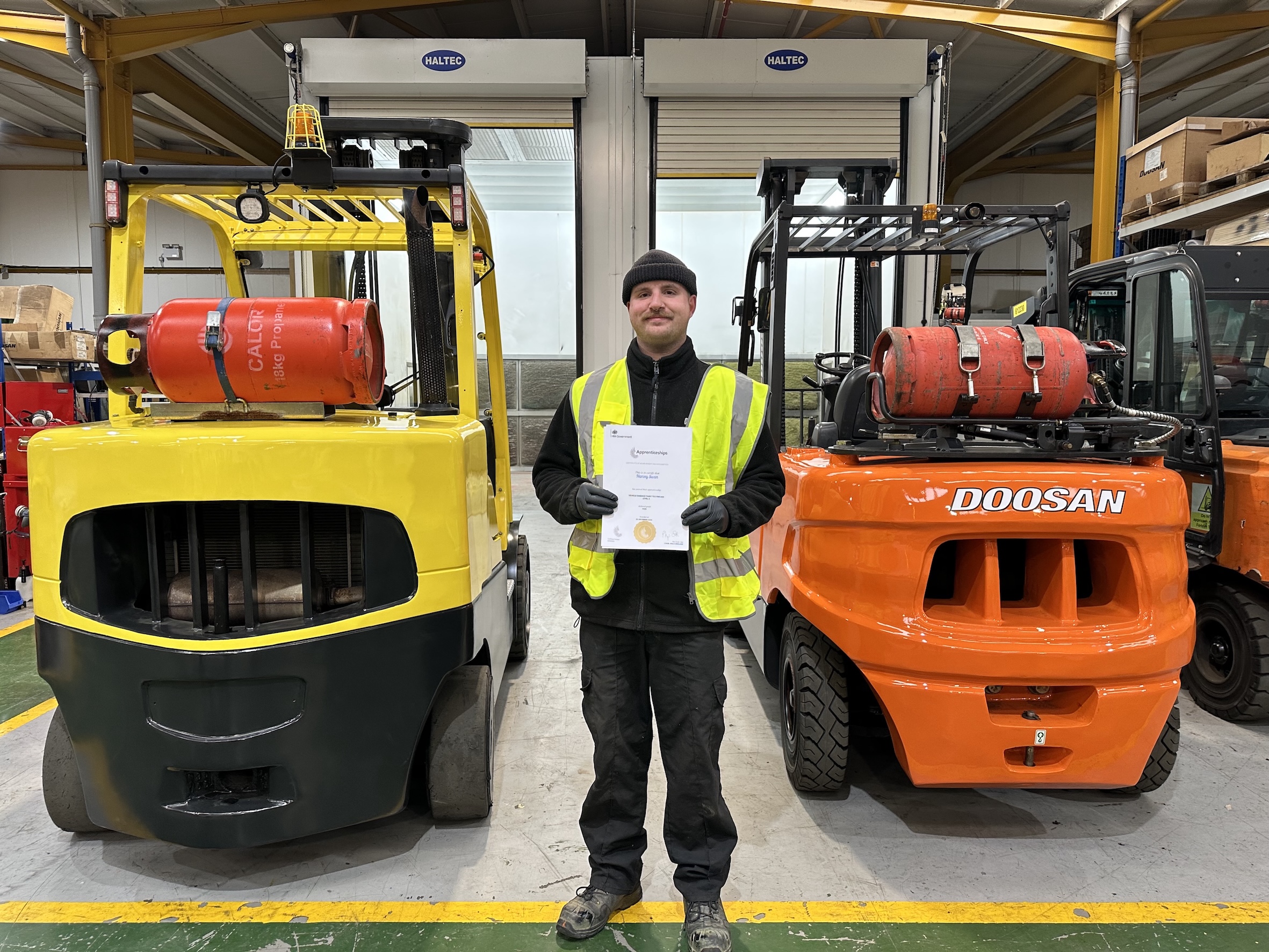
In response to a query from The Supply Chainer, Harvey Swan, a newly qualified paint technician at Rushlift, described choosing an apprenticeship as a deliberate alternative to university. After several years working in retail management, Swan said he wanted a hands-on trade that offered progression without committing to a degree that might not align with his interests.
He explained that the opportunity stood out after conversations with friends already working at Rushlift, where the paint technician role offered a niche skill set and exposure to complex industrial equipment rather than repetitive tasks.
Learning Through Real Workshop Responsibility
Swan said the apprenticeship combined structured classroom learning with day-to-day workshop experience, allowing theory to be applied immediately. “Learning on the job meant I was getting hands-on experience with the preparation of the vehicles, stripping them down and painting them,” he said, while classroom training provided grounding in colour theory, paint materials, and specialist finishes.
Over time, he said confidence came not from formal milestones but from reduced supervision and growing trust. “Things really started to click when I needed less supervision,” Swan noted, adding that this allowed him to work on more intricate finishes, including two-tone colours and specialist projects.
He also highlighted the importance of overcoming practical challenges, from preparing complex forklift components to mastering invisible paint blending techniques for assessment work. Repetition and mentor support were key to building consistency.
Mentorship And Team Culture As Retention Drivers
According to Swan, ongoing support from mentors and the wider workshop team played a central role in his development. He credited his mentor with allowing flexibility in technique while remaining available to correct mistakes and explain alternatives, rather than enforcing rigid processes.
Beyond technical skills, Swan emphasized the value of team culture. “The workshop is a very strong, small team and we always help each other out,” he said, noting that collaboration helped the team meet tight turnaround times without sacrificing quality.
Now fully qualified, Swan said he is responsible for the paint function within the workshop, including materials planning and supporting refurbishment work. Looking ahead, he expressed interest in expanding into electrical systems and welding, while remaining hands-on rather than moving into office-based roles.
For logistics and industrial services operators, Swan’s experience illustrates a broader point. Apprenticeships that combine early responsibility, practical mentorship, and visible progression can convert entry-level hires into skilled contributors in a relatively short time, helping address persistent workforce gaps across the sector.