Dock to Stock: How Computer Vision and Yard AI Are Closing the Execution Gap
 By Sophia Hernandez · May 24, 2026 · 3 min read
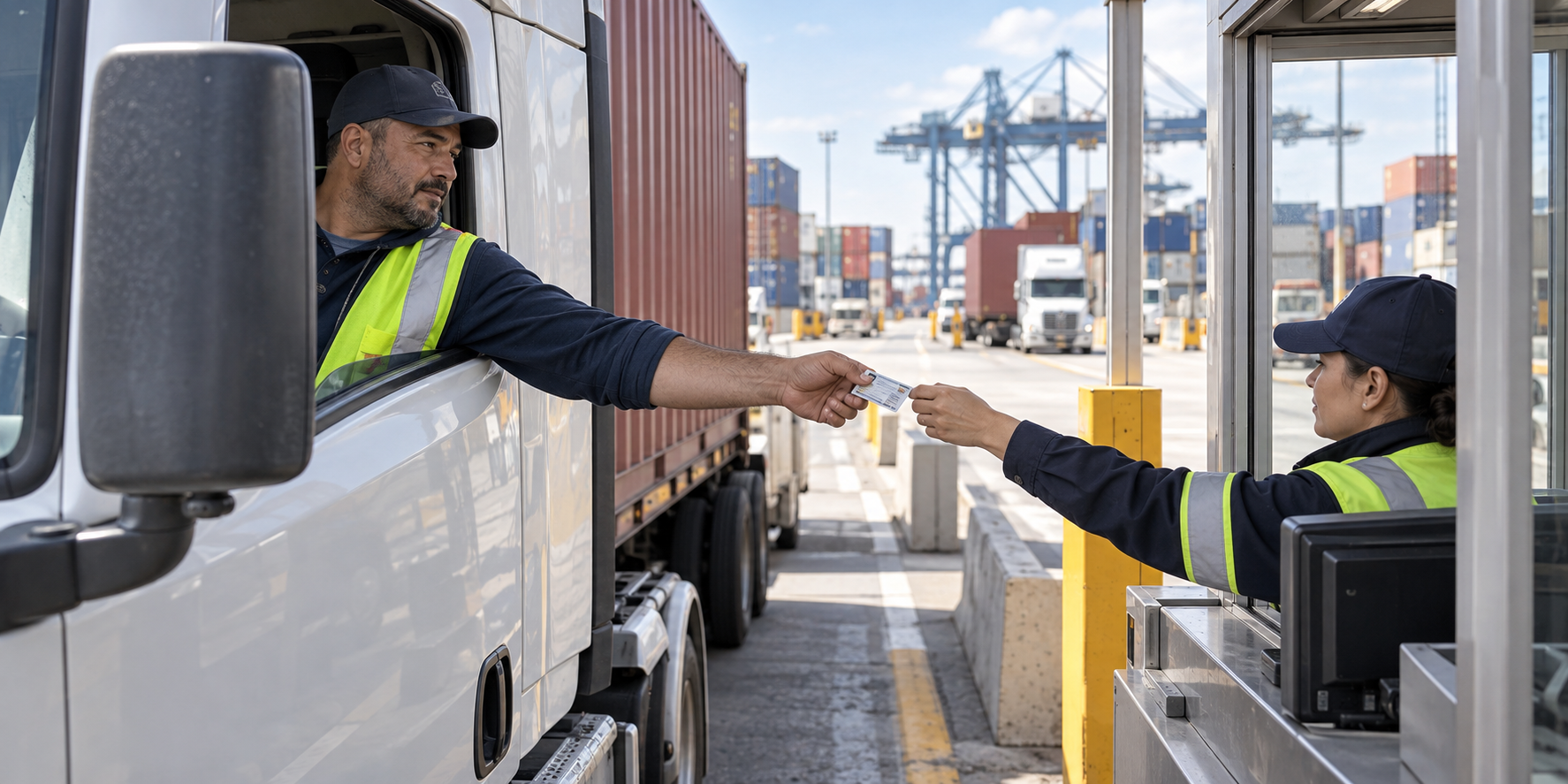
A trailer pulls into the gate at 7 a.m. after a 30 percent spike in inbound volume triggered by port bunching. The appointment calendar is already obsolete. Dock doors sit blocked. Receivers work from outdated spreadsheets. Pallets wait unverified on the yard. By the time the shift ends, detention charges have climbed, cycle counts are postponed again, and OTIF targets are slipping. The problem is no longer visibility. It is the gap between what the systems promised and what actually happens when physical movement collides with real-time disruption.
For decades warehouses have tracked goods with barcodes, handheld scanners and periodic cycle counts. Those tools delivered reliability in a slower era. They no longer match the pace of e-commerce order volumes, compressed delivery windows or the expectation that every pallet arrives on time and in full. Errors at receiving, putaway or replenishment now cascade downstream in minutes. Inaccurate inventory forces extra safety stock, inflates carrying costs and generates OS&D claims that could have been caught at the dock. Operations leaders are no longer asking how to move more pallets. They are asking how to digitize every movement and transaction without adding headcount or slowing throughput.
Computer Vision Extends Real-Time Capture Inside the Four Walls
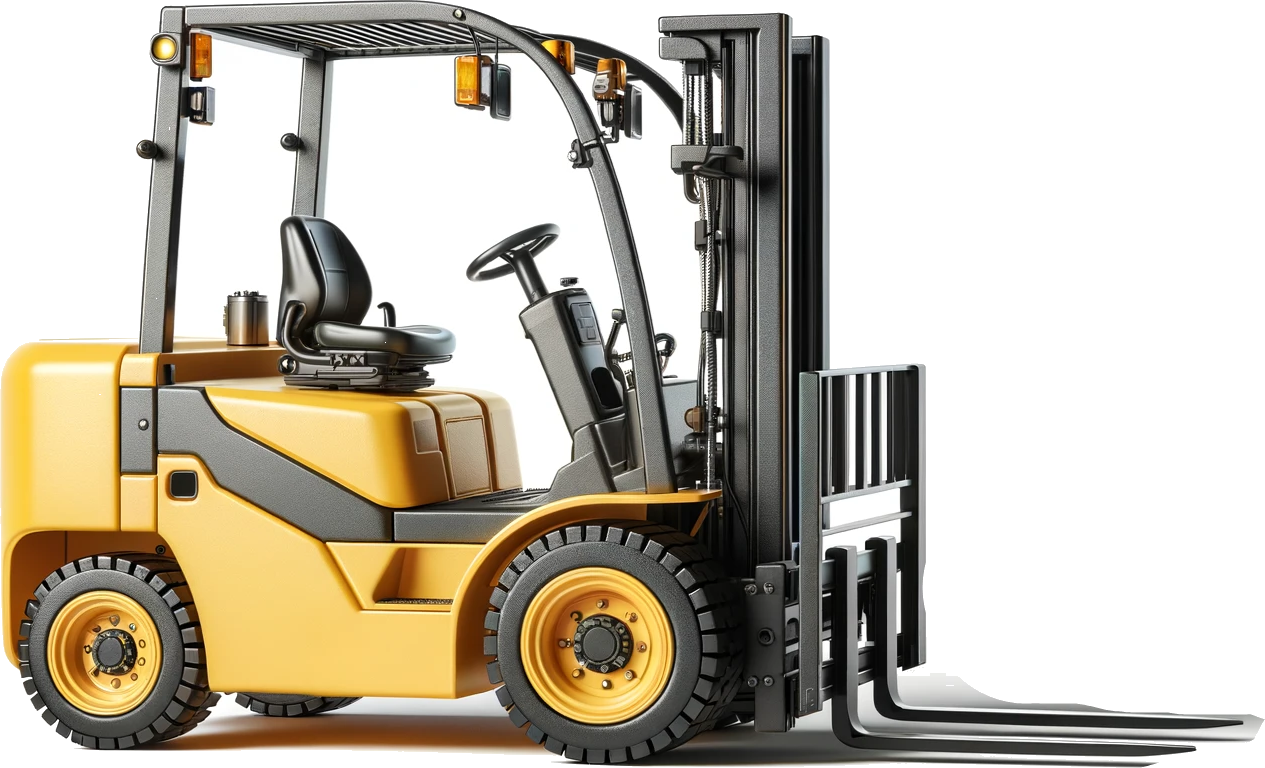
Instead of bolting on new infrastructure, vendors mount off-the-shelf cameras on forklifts, pallet jacks and other material handling equipment. The AI reads pallet movements in real time, from receiving through outbound loading. The result is a live digital record that reduces manual checks and flags errors before they leave the building.
Gather AI , the Pittsburgh company already known for autonomous drone inventory, has extended this capability with its MHE Vision product. The system operates in cold storage down to -20°F, dark warehouses and narrow aisles. Customers report inventory accuracy above 99 percent, a fivefold gain in operational productivity, an 80 percent drop in inventory and operations management hours, and more than 20 percent improvement in OTIF performance. According to the company, existing lift trucks become mobile data collection points. AI analyzes the feed instantly and creates a continuous feedback loop that can stop mistakes before they compound.
Yard Orchestration Addresses the Inbound Pressure Point
Yet inbound pressure often begins before the trailer even reaches the dock. Traditional appointment systems and manual gate processes collapse under sudden volume swings.
Oana Jinga, co-founder and chief commercial and product officer at Dexory, described the operational difference when responding to questions from The Supply Chainer. Traditional calendars are static, she noted. An AI-powered platform can reprioritise dock assignments, rebalance labour and surface available capacity based on live conditions. Operators absorb a 30 percent trailer surge within the first 24 hours without creating downstream bottlenecks.
Jinga added that the same layer reduces pressure on stretched teams. Real-time visibility of dwell times and bottlenecks allows faster, more precise interventions without extra headcount. In high-volume environments, the clearest measured impact has been on throughput. Operators resolve blockages faster, keeping goods moving even during disruption, without scaling labour at the same rate.
Dexory works primarily with large 3PLs, retailers and manufacturers. Its yard focus complements systems like Gather AI that operate inside the warehouse. One handles the inbound interface; the other digitises movement once goods cross the threshold. Together they point to a tighter stack: visibility that once stopped at the gate is now extending into decision-making layers.
Operators remain cautious. Many still rely on manual coordination for exceptions. Claims of productivity gains are company-reported and will require broader verification across sites and networks. Yet the direction is clear. Software categories that once sold on visibility alone are shifting toward orchestration. The competitive edge is moving from knowing where things are to deciding what happens next, faster than the next delay can form. For core operators, the question is no longer whether to adopt these tools. It is how quickly the layers can be connected before the next volume spike arrives.