Opinion: You Can’t Outsource Responsibility to the Consumer
 By Prof. Jan Godsell, Loughborough Business School · Sep 30, 2026 · 2 min read
Promotions that look like bargains still create cost and waste
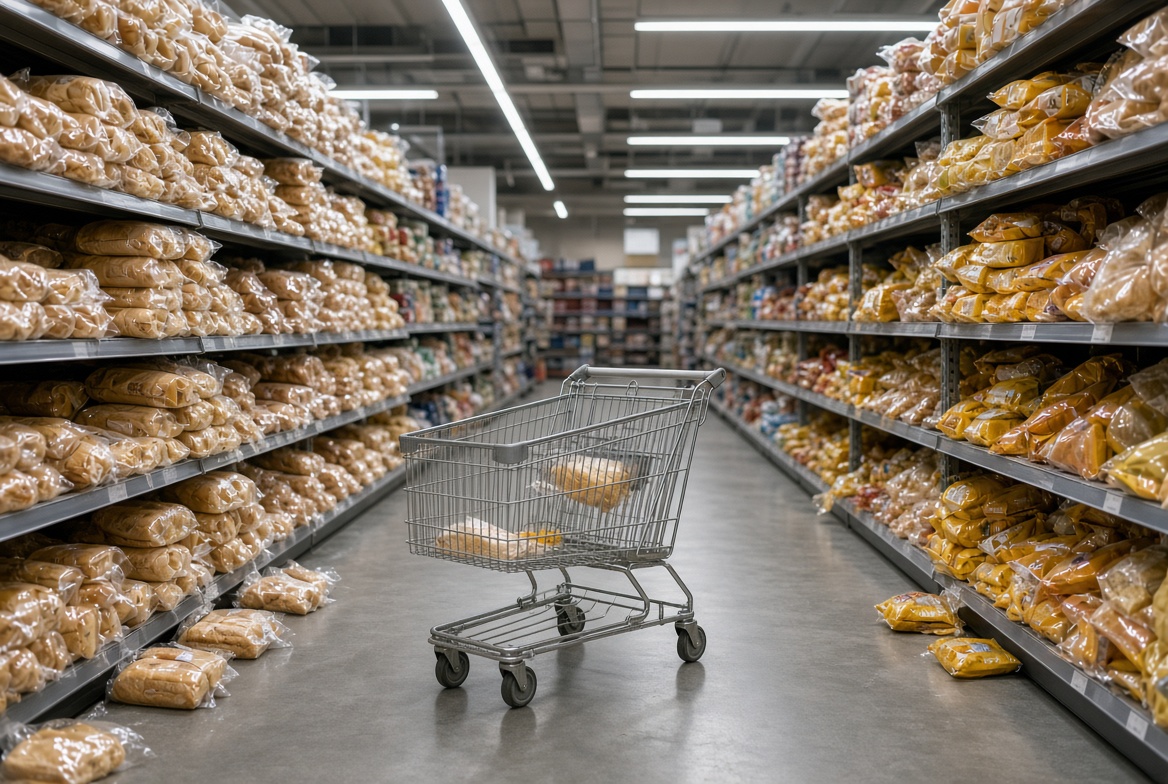
More than a decade ago, suggesting that buy-one-get-one-free promotions could be “immoral” caused rather more controversy than expected. BOGOF sounds like a bargain. But the second product still has to be made, packaged, transported and stored, and sometimes it ends up being thrown away. Promotions can also create artificial peaks in demand, followed by a fall when cupboards and fridges are full. What looks like a sensible commercial decision can create cost, volatility and waste elsewhere in the system.
Demand is shaped by business as well as by consumers
That small example points to a much bigger problem. Businesses often talk about sustainable consumption as if demand simply arrives and their job is to fulfil it responsibly. It does not. Businesses help to create demand through price, promotion, convenience, product design and marketing. Consumers shape businesses in return through what they buy, what they reject and the pressure they apply when corporate behaviour falls short of expectations. Demand is shaped from both sides.
Sustainability cannot mean greening unlimited want
The uncomfortable part is that sustainability cannot simply mean finding greener ways to satisfy everything people might want. Want is potentially limitless. It encourages novelty, replacement and more consumption. A more responsible starting point is to ask what people actually need, and how those needs can be met well with fewer resources, less waste and less unnecessary movement of material.
No function can pass the consequences downstream
That changes the responsibility of business. Marketing cannot stimulate demand without considering what that means for production and supply. Product teams cannot design for rapid replacement and expect the supply chain to solve the environmental consequences later. Supply chain teams cannot be handed demand created elsewhere in the organisation and then be asked to make it sustainable. Each function can make a perfectly rational decision on its own while making the overall system less responsible.
Responsible consumption and production is a systems problem
Nor does responsibility stop at the boundary of one company. A product designed to last longer, be repaired or remanufactured only creates value if customers can return it, logistics systems can move it, other organisations can recover its value, and the right incentives and infrastructure exist around it. Sustainable consumption and production is therefore a systems problem. It depends on consumers, businesses, policymakers and supply chain partners pulling in broadly the same direction.
Start with the demand you choose to create
The question for responsible business should therefore move beyond “How can we meet demand more sustainably?” The better question is: “What do people genuinely need, and what is the most responsible way to meet that need?” Businesses cannot spend one part of their organisation creating ever more desire and expect another part to make the consequences sustainable.
Responsibility starts with the demand we choose to create.
Prof. Jan Godsell, Dean, Loughborough Business School Loughborough University
Jan Godsell is Dean of Loughborough Business School and Professor of Operations and Supply Chain Strategy at Loughborough University. The views and opinions expressed in this article are those of the author and do not necessarily reflect the official policy or position of The Supply Chainer.