Warehouse Operators Confront Legacy Constraints as Manual Processes Compound Risk
 By Freddie Bolton · Jun 11, 2026 · 2 min read
Warehouse receiving delays and inventory search times continue to drive up detention charges and order fulfillment costs across distributor networks. Operators managing paper-based systems or fragmented legacy tools face mounting pressure from e-commerce growth and tighter labor availability.
Execution Friction Builds at the Floor Level
Four distributors recently detailed their shift from manual methods to a modern WMS. AFCO Distribution, LB Water, Sea to Summit and Tompkins Industries highlighted how rigid bin logic, physical inventory counts and separate tracking applications created daily bottlenecks in picking and replenishment.
PathGuide Technologies provides warehouse management software for distributors.
Eric Allais, President and CEO, PathGuide Technologies, replied to the inquiry from The Supply Chainer in the submitted guest column: “Picture a warehouse where finding inventory feels like finding a typo in a legal document. You know it’s there somewhere, but every page you turn adds more text and time. For four distributors operating without a modern warehouse management system (WMS), those small inefficiencies compounded into serious operational risk. AFCO Distribution, LB Water, Sea to Summit, and Tompkins Industries share how introducing advanced WMS software dramatically changed their operations. Their journeys from manual methods to digital mastery reveal the power a WMS can unlock. Each of their stories offers unique lessons for others who are ready to stop drowning in paper and start surfing the wave of automation.” The company response also noted measurable gains in accuracy and scalability after implementation.
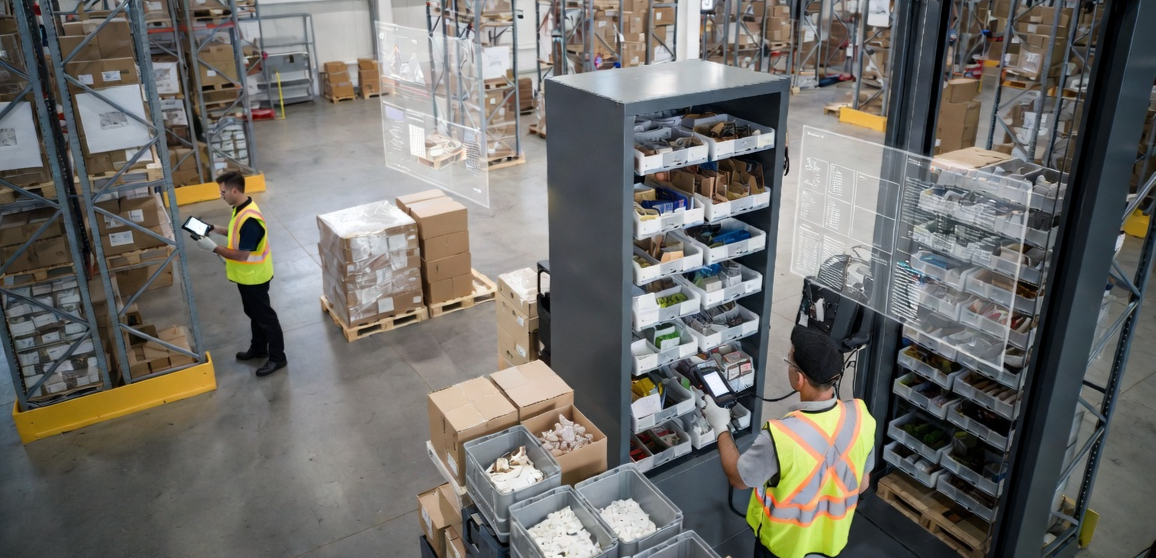
Brian Shirk, CIO, LB Water, said: “Our leadership team trusted that we would make this project work. You’ve got to have the trust of upper management that you will see a project like this succeed.”
Standardization Delivers Network Agility
Chad Fox, Manager & Delivery Lead at Miebach, provided this perspective in a prior Supply Chainer article: “The biggest barrier is rarely the WMS platform itself. It's the operational variation that has accumulated across the network over time.”
Eric Allais continued: “The journey from manual processes to automated excellence isn’t always smooth, but as these distributors demonstrate, the destination is worth the effort. Whether it’s completing inventory counts in hours instead of days, achieving near-perfect picking accuracy, or empowering employees to work more efficiently, the right warehouse management technology can transform entire businesses. For distributors still on the fence, perhaps it’s time to ask themselves, ‘Is it working?’ If the answer is no, the path forward is clear.”
As legacy systems increasingly limit execution speed, distributors that treat WMS modernization as an operational necessity - rather than a technology upgrade - stand to gain measurable advantages in accuracy, labor productivity and customer responsiveness.