The Last-Mile Bottleneck: Fulfillment Visibility Gap
 By Dave Tu, President at DCL Logistics · Sep 21, 2026 · 2 min read
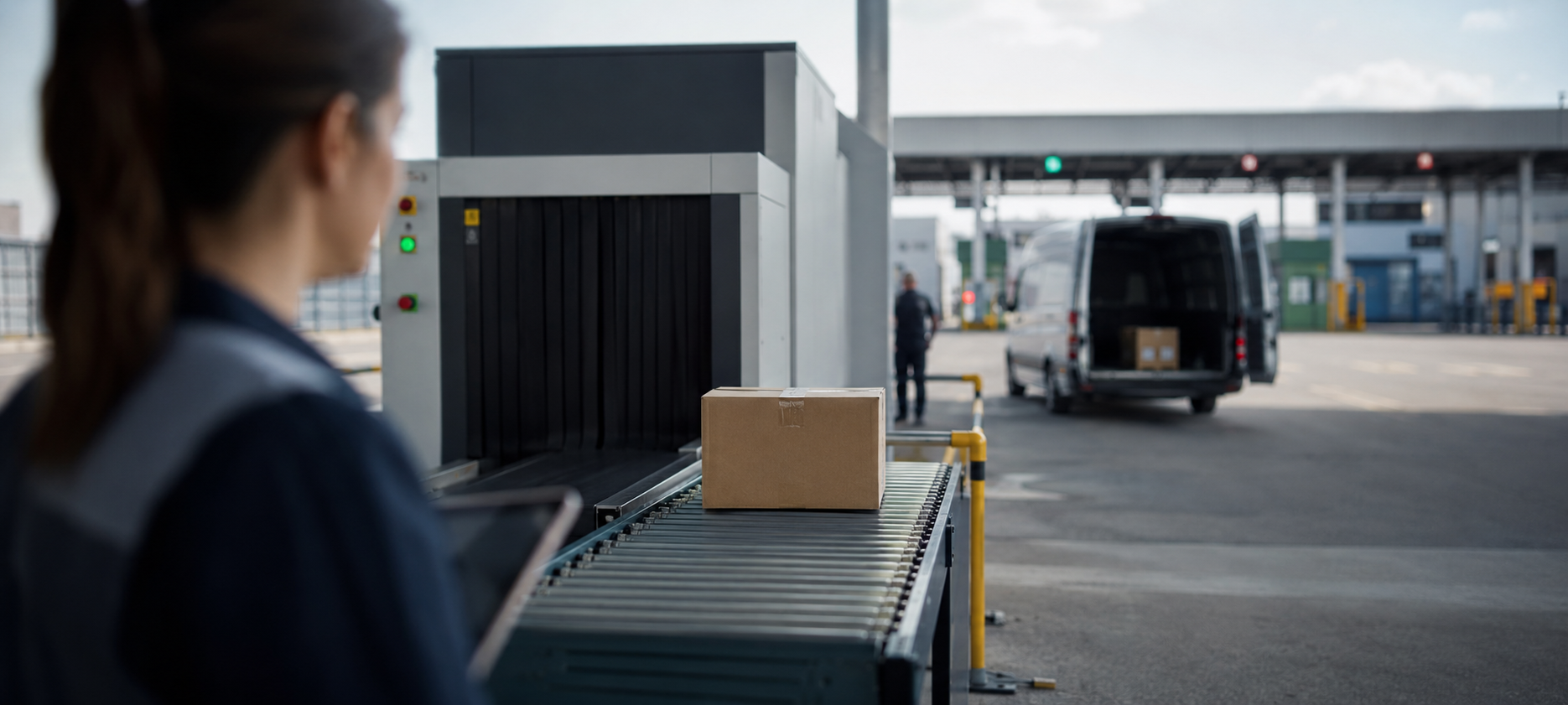
Last-mile logistics and transportation get most of the attention in ecommerce supply chain management. While shipping costs and delivery windows are highly scrutinized to ensure they are optimized, many supply chain operators don’t look upstream, where the real bottlenecks can happen. This is inside the fulfillment and distribution warehouse.
With so many functions happening in a fulfillment warehouse, including receiving, inventory storage, picking, packing, labeling, sorting and shipping, operational issues can quickly escalate into larger problems when visibility and quality are not given sufficient attention. Each function requires a transition where issues or discrepancies can occur. For example, an order may appear to be moving through the system when it is actually sitting as an exception, waiting for resolution. By the time the brand discovers the issue, the customer may already be asking where their package is, putting the customer experience at risk. At scale and as order volume increases, those small issues become increasingly costly and cumbersome to resolve.
Order visibility is one key to mitigating upstream fulfillment issues. But visibility has to extend beyond a tracking number on a static spreadsheet. Modern fulfillment technology should provide real-time, comprehensive information. With this, brands can see inventory, orders, receiving activity, returns and shipments without relying on someone at their 3PL to pull a report or answer an email. At the same time, warehouse teams need actionable information at the point where the work is happening.
Retail orders add another layer of complexity. Retail distribution works best when managed through modern electronic data interchange (EDI), and ideally, fully handled by the fulfillment provider. Retail fulfillment has routing requirements, compliance standards and tighter consequences for errors. Without visibility into those orders and requirements, brands are operating with unnecessary risk.
But technology alone isn’t enough. The strongest fulfillment operations combine connected systems with well-designed processes. That includes exception management and quality control. Problems will happen, any operator will tell you this. Inventory discrepancies, damaged goods, labeling issues and changing retailer requirements all demand a coordinated approach to fulfillment, shipping and warehousing. The differentiator is how quickly the operation identifies an exception, understands the root cause and resolves it before it reaches the customer.
This is also where the people behind the technology matter. A brand outsourcing fulfillment should have dedicated account management that is connected to the warehouse and, importantly, present on the floor. That warehouse team should function as an extension of the brand, not as a remote service desk. They should know your products, your customers, your priorities and what is happening inside the four walls.
When visibility, process discipline, exception management and hands-on service work together, the result is exceptional warehouse performance. It creates a more predictable customer experience, fewer surprises and a fulfillment operation that can absorb growth without sacrificing quality.
For brands scaling into new channels, that foundation matters. The goal isn’t simply to ship more orders. It is to build a supply chain that can see problems early, respond intelligently and keep getting better as the business grows.
Dave Tu is President at DCL Logistics. The views expressed in this column are those of the author and do not necessarily represent those of The Supply Chainer or Watermark Publishers Group, Inc.