Supply Chain Tech Sees Big Boost as Cargo Theft Surges and AI Firms Raise Funds
 By Sophia Hernandez · Sep 5, 2025 · 2 min read
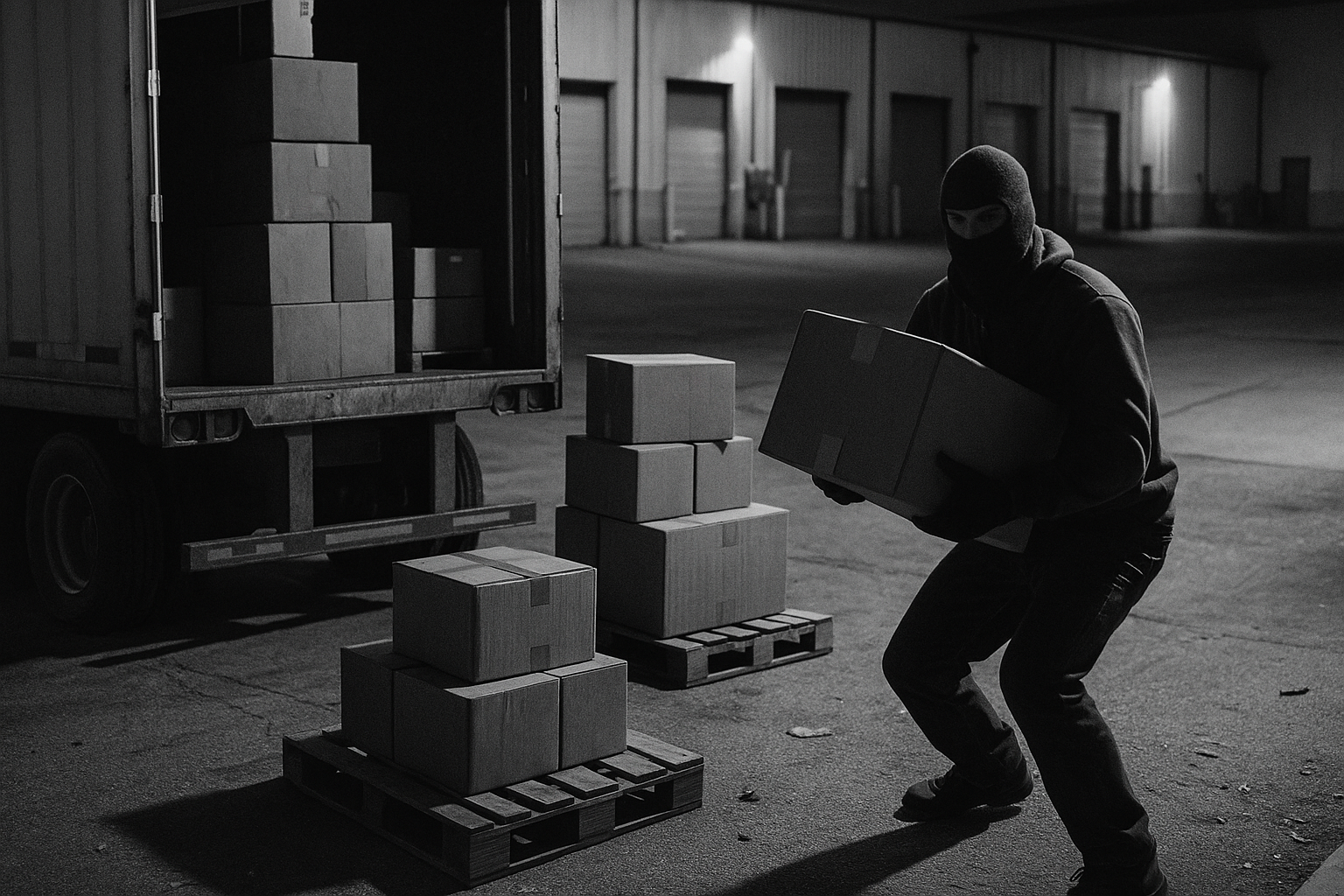
Cargo theft is no longer a background risk—it’s an urgent operational drain. Reported incidents jumped 13% in the second quarter, cutting into already thin margins and forcing logistics teams to act. The losses aren’t abstract—they’re hitting budgets, delaying shipments, and eroding customer confidence.
That pressure is fueling record investment in supply chain security tech. Overhaul, the U.S.-based risk management startup, just landed $105 million in fresh funding to expand its AI-powered tracking platform. Its pitch is simple: monitor every shipment in real time, spot suspicious behavior instantly, and intervene before a theft derails production or delivery. Companies like Microsoft and Bristol-Myers Squibb are already embedding the technology deep into their logistics operations.
An executive at a large U.S. shipper, speaking anonymously to The Supply Chainer, said the economics are shifting fast. “We’re treating theft prevention as core infrastructure now, not an insurance line item. If we lose one high-value truckload, that wipes out a quarter of the year’s margin on a lane.” The comment underscores a growing reality: security has become a cost of doing business in the modern supply chain.
The old approach of static checkpoints and periodic updates is proving inadequate. Modern defenses are layered: GPS and IoT sensors track cargo continuously, AI engines flag anomalies like unscheduled stops, and automated alerts trigger immediate coordination with law enforcement. This real-time integration is rewriting risk management playbooks across North America and Europe.
The investment in Overhaul also signals a broader industry pivot. Procurement leaders are now ranking visibility and security protocols alongside cost and lead time in supplier scorecards. Warehouse managers are tightening perimeter tracking. Fleet operators are deploying predictive analytics to identify routes and schedules most exposed to theft.
For supply chain professionals, the shift is practical: protect shipments, protect trust, protect brand. Theft prevention is no longer a defensive afterthought—it’s an enabler of reliability. With AI tools now scalable, the balance is tilting toward proactive control rather than reactive recovery.
As theft surges, the market is voting with capital. Expect a wave of new entrants and partnerships pushing deeper into AI, anomaly detection, and predictive risk modeling. For an industry built on precision and reliability, these tools are quickly moving from nice-to-have to non-negotiable.