Stockpiling Surges Push Automated Warehouses to Separate Storage From Throughput
 By K.R. Samiksha · Sep 30, 2026 · 3 min read
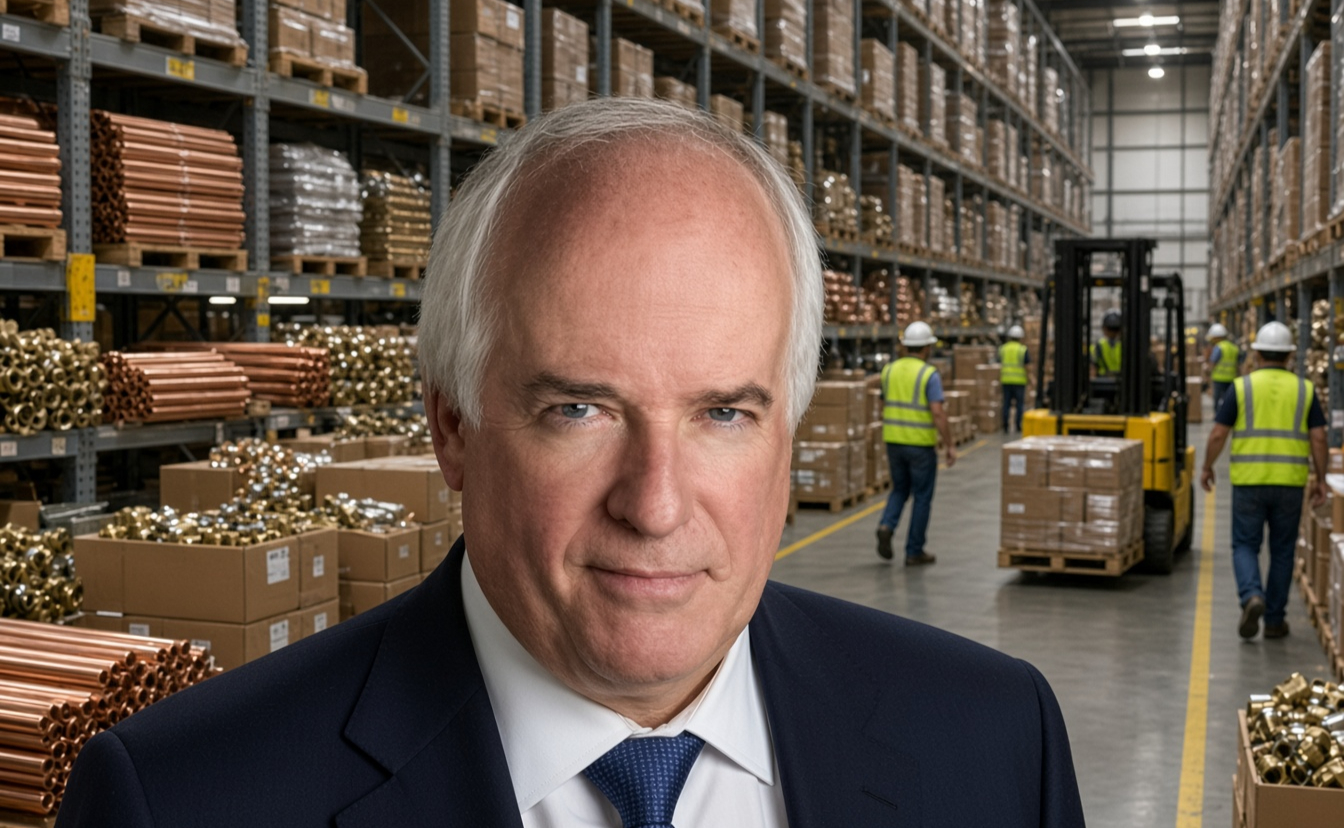
A retailer's forecast flips on Monday. By Thursday, weeks of extra inventory are sitting on the inbound dock. Pallets block aisles. Putaway slows. Pickers walk around congested lanes, and orders that shipped same day slip to the next. The problem is not only space. It is how a building absorbs stock it was never sized for. Pre-emptive stockpiling has become a planning reflex after years of tariff swings and routing risks. Buyers pull orders forward. Distribution centers take the hit.
Space Is Only Half the Problem
In a manual warehouse, more stock usually means more racks and longer travel paths. Search time grows. Throughput drops just as volume rises. Exotec, a French robotics company behind the Skypod goods-to-person system, argues that automation changes this math. In a written reply to The Supply Chainer, the company said automated sites can use vertical space, run narrower aisles and store items anywhere in the system instead of in fixed spots. Robots reach storage positions across multiple levels, including places operators cannot.
The company also said any SKU in its Skypod systems reaches a workstation in two minutes or less. That is a vendor benchmark. Actual results depend on SKU mix, order profile and how well the software is tuned.
Decoupling Storage From Throughput
Exotec says storage and throughput scale separately. Modular rack space adds capacity. More robots add speed. Unlike a crane-based system, it said, a site does not need a new crane or a dedicated aisle each time storage grows. The company describes the result as "no trade-offs." Operators will likely test that claim. Workstations, inbound flow and system integration can still become the limit before the racks do. Labor makes the case harder to ignore. Automation provider Syncore says nearly 40 percent of warehouses still lack enough staff to meet demand. Adding people is not always an option when inventory jumps.

Designing for the Swing
The harder question is planning. Exotec said the shift from lean inventory to heavy stockpiling now happens fast. “The transition of needing lean inventory to then heavy stockpiling happens fast in the modern supply chain. Peak seasons stretch longer, and viral demand spikes are more frequent. When we first work with a customer, we advise them to design for variability, rather than their current operations. They should model multiple scenarios, including maximum inventory, prolonged peaks, rapid replenishment, changing SKU profiles, and sudden shifts in order demand. Therefore, the automation strategy needs to prioritize modularity. A modular solution allows companies to add storage, robots, workstations, or other capacity as requirements change, without undertaking a costly redesign or rebuilding the entire facility.”
The same pressure shows up upstream. Mike Short, President of Global Forwarding at C.H. Robinson, described a surge of stored cargo released at once after tariffs eased.
“Now that tariffs have been lowered, we’re expecting a burst of pent-up cargo starting in two or three weeks,” Short said in a written response to The Supply Chainer at the time. “Customers that had cargo stored at origin are ready to ship. Others are cutting purchase orders this week and asking suppliers to produce as quickly as possible to get their goods out in the 90-day window.”
Short also said 20-30% of vessel capacity on the Asia-US West Coast lane had been removed after April's tariff spike. Freight arrives in bursts. Warehouses must be ready for them.
The takeaway is structural. Capacity that cannot flex is a liability. As the gap between lean and heavy inventory narrows, the winning design may be the one that can grow storage and throughput on separate tracks.