Shipping Around the Blockade: How the Freight Industry Is Rerouting Europe's Gulf Cargo
 By Aanchal Ghatak · May 14, 2026 · 3 min read
Nobody in the freight industry expected February to look like this.
On 28 February, US and Israeli strikes on Iran effectively shut the world's most important oil and gas corridor within hours. The Strait of Hormuz, which carries around 20% of global petroleum and 20% of global LNG in normal times went from a busy maritime highway to a near-standstill. Ship transits fell from roughly 130 a day in February to just six in March. About 2,000 vessels are still sitting stranded in the Gulf.
The ripple effects were immediate and global. Oil prices pushed past $90 a barrel. Trade growth forecasts for 2026 were cut almost in half. For shipping companies, freight forwarders, and anyone moving goods between Europe and the Gulf, the question was no longer whether to find a workaround, it was how quickly they could build one.
MSC's Answer: Put It on a Truck
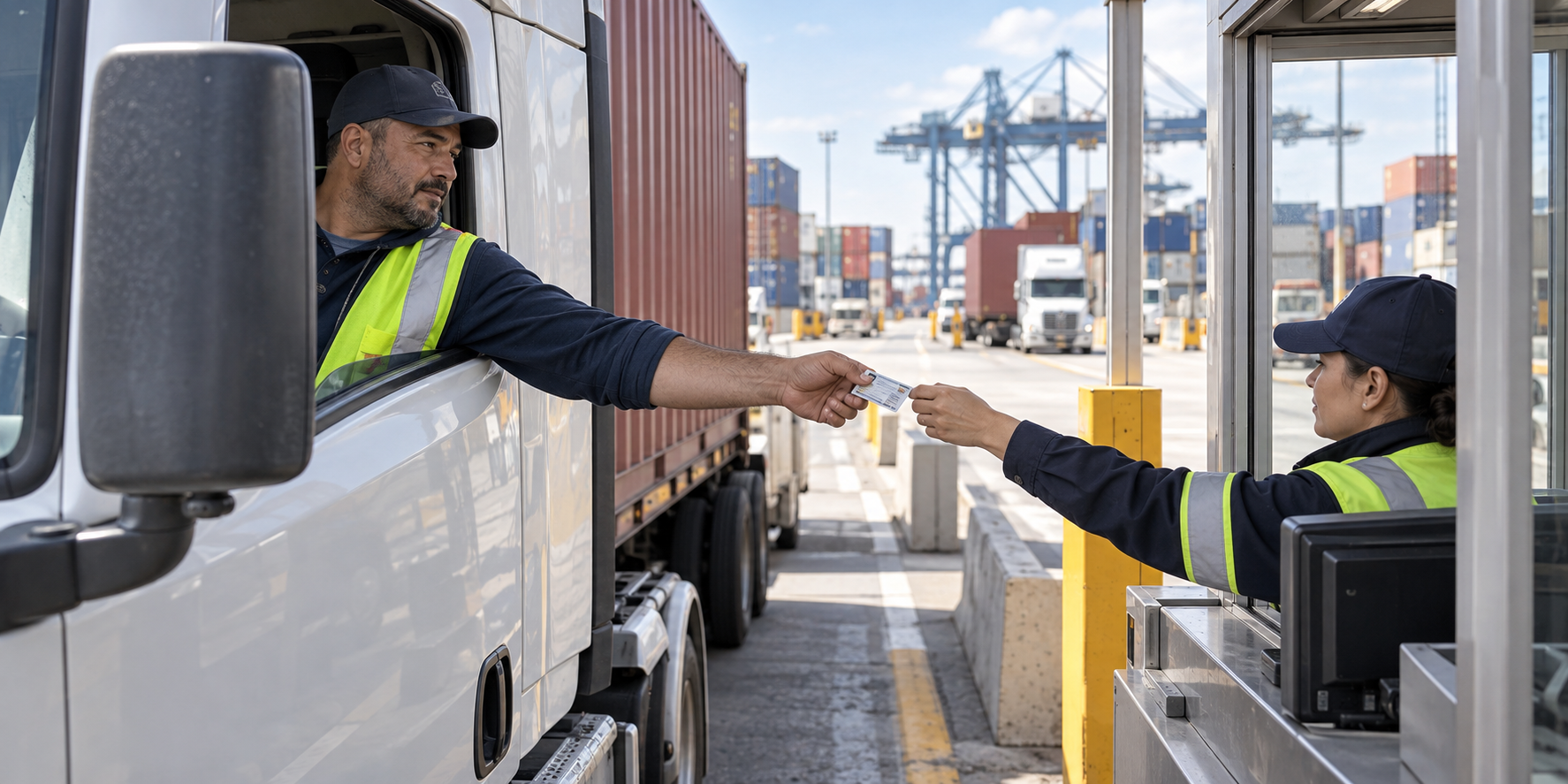
The world's largest container line announced its response on 2 May. The new Europe–Red Sea–Middle East Express picks up containers across the continent — Gdansk, Klaipeda, Bremerhaven, Antwerp, Valencia, Barcelona, Gioia Tauro — sails them through the Suez Canal to Jeddah, King Abdullah Port and Aqaba, then hands them off to trucks.
Those trucks drive 1,300 kilometres through Riyadh to Dammam on Saudi Arabia's Gulf coast. There, feeder ships take over and fan out to Jebel Ali, Abu Dhabi, Bahrain, Kuwait and Iraq. The first sailing left Antwerp on 10 May carrying up to 16,000 standard containers.
Ocean to truck to ocean. The Arabian Peninsula as a bridge.
It sounds improvised. It isn't. MSC filed this service weeks after the closure began, and the Saudi infrastructure, highways, ports, customs corridors has been quietly expanding under Vision 2030 for years. The crisis didn’t create the land-bridge. It just turned the lights on.
DHL Had Already Moved
By the time MSC launched, the freight forwarders had been running their own workarounds for weeks. Tobias Maier, CEO of DHL Global Forwarding Middle East & Africa, says the company didn’t wait.
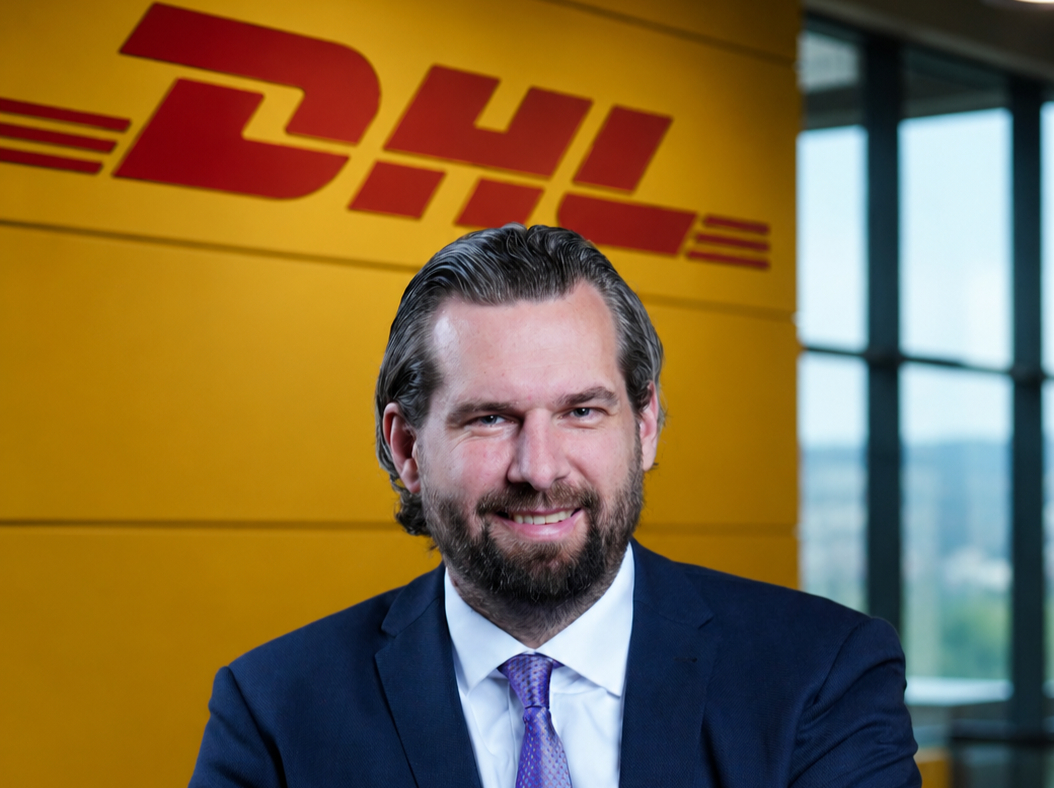
"Since the beginning of the conflict, we have been in close contact with our customers, advising them on alternative routing and solutions that best fit their needs. Immediately, we activated our contingency plans, with a strong focus on our multimodal capabilities."
What that meant in practice: cargo that used to sail straight through Hormuz now moves by air where it can’t wait, and by truck through Jordan, Saudi Arabia or Iraq where it can. Overland routes through Turkey and Syria are back in use. Combinations that would have seemed eccentric in January are now weekly operations.
Liège Becomes a Lifeline
Three times a week, DHL flies dedicated charters out of Liège airport specifically for healthcare shipments heading into the GCC, temperature-controlled, with road distribution at the other end.
"Combined air and road solutions have become increasingly important," Maier said. "For example, three times a week we now operate dedicated charters for healthcare shipments from Liège into the GCC, offering temperature-controlled capacity and onward regional distribution by road."
The Question Nobody Wants to Answer
Here is the uncomfortable part of this story. Even if a deal is reached tomorrow, the Pentagon has said mine-clearing in the Strait could take six months after the war formally ends. Some analysts think that estimate is optimistic.
So the land-bridge runs regardless. And the longer it runs, the harder it becomes to dismantle operationally, commercially, politically.
Saudi Arabia is already fast-tracking five new rail freight corridors linking its Red Sea and Gulf coasts. Dammam is handling container volumes it was never designed for. Feeder networks to Bahrain, Kuwait and Iraq are being built out in real time. This is not emergency infrastructure anymore. It is becoming permanent infrastructure that happens to have been triggered by an emergency.
Maier stops short of calling it a structural shift. But his language points that way.
"The Middle East plays a central role as a global logistics hub. Our focus remains on maintaining continuity across the region. Overall, this underlines the flexibility of our network. We will continue to use alternative solutions as long."
The land-bridge was a workaround. It may yet become the route.