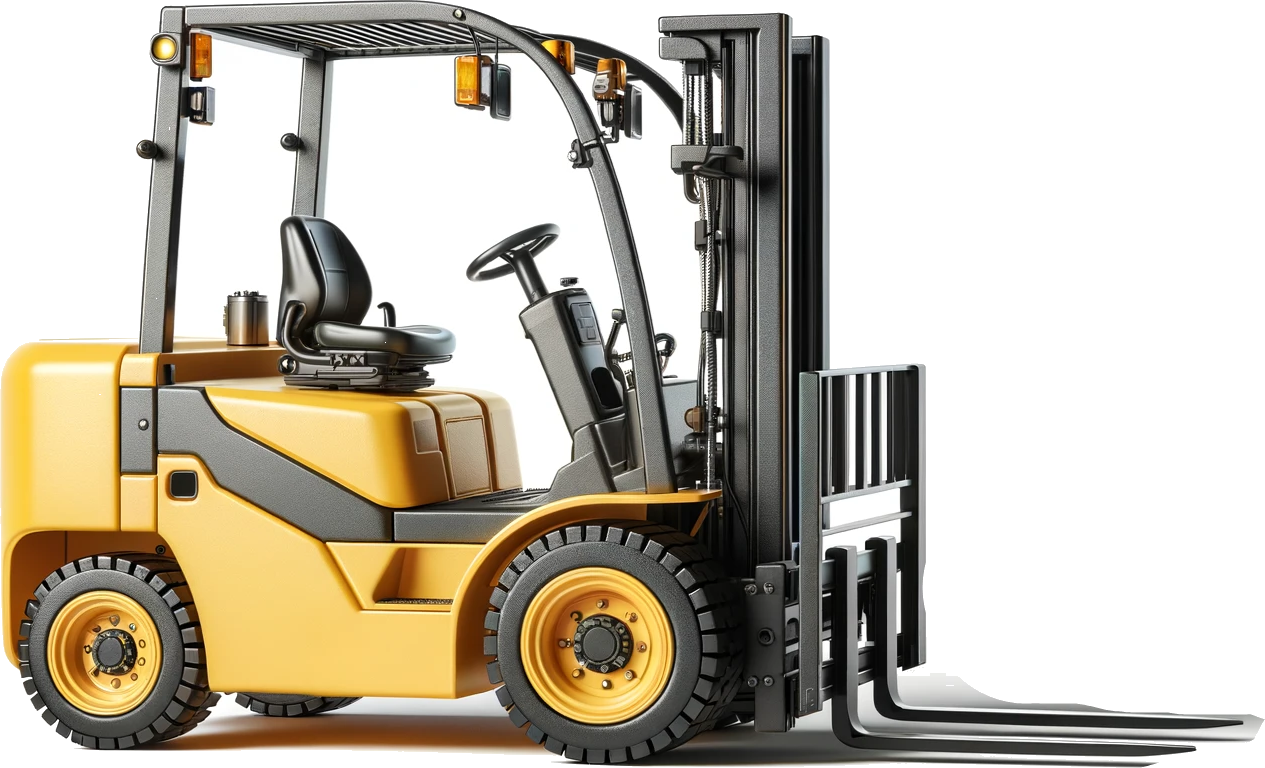
Opinion: Warehouse systems record what should happen, not always what is happening
 By Oana Jinga, Co-Founder & Chief Commercial & Product Officer, Dexory · Jul 29, 2026 · 3 min read
Warehouse operators are surrounded by data. Every movement, order and inventory transaction is recorded somewhere across warehouse management systems, labor platforms, and automation equipment. Yet one question continues to surface inside distribution centers: can we be certain the system reflects what is happening on the warehouse floor right now?
That uncertainty shows up in everyday situations. Inventory appears available but cannot be found, a location marked as full is only partially occupied, and teams stop to investigate discrepancies before they can move on to the next task. None of these issues alone is significant, but together they consume valuable time and disrupt workflow.
A common example is a picker arriving at a location that the warehouse management system shows as fully stocked, only to find the inventory has already been moved or partially depleted. The system reflects completed transactions, but not necessarily the warehouse's current physical state.
For decades, warehouse systems have been designed to record what should be happening. They capture transactions, movements and planned workflows, but they do not continuously verify what is physically true inside the warehouse. As facilities become larger, faster and more automated, the gap between recorded activity and operational reality becomes more significant. When teams cannot rely on an accurate picture of the warehouse, labor is diverted to manual checks, storage space is used less efficiently, and automation is forced to work around uncertainty rather than eliminate it.
How physical AI is changing warehouse visibility
This is where physical AI is beginning to change the conversation. By combining autonomous data capture, computer vision and AI, physical AI systems continuously observe the warehouse environment rather than relying solely on recorded transactions. The result is a more complete understanding of inventory, storage locations, space utilisation and operational conditions as they change. The value is not simply the technology itself, but giving operators information they can trust when making decisions.
Experienced warehouse teams already know how to solve problems. However, too much of their day is spent confirming where inventory is or investigating discrepancies. Reducing that effort gives operators more time to focus on improving performance.
There's also a tendency to begin AI conversations with the model itself. In practice, the bigger challenge is often the quality of the underlying data. If the information feeding an AI system is incomplete or out of date, the quality of the output will suffer. Many organizations are discovering they first need greater confidence in their operational data before AI can deliver meaningful results.
Trust in data is becoming a competitive advantage
The impact extends well beyond inventory accuracy. When people trust the information they're working from, they spend less time searching for stock or investigating exceptions.
With 62% of warehouse operators saying human error in manual processes is the leading cause of inventory fulfillment issues, improving operational data gives teams fewer opportunities to make those mistakes.
Physical AI will not replace experienced warehouse operators. Warehouses will continue to depend on people to make decisions, manage exceptions and improve processes. What is changing is the quality, timeliness and reliability of the information available to support those decisions.
Before organisations ask what AI can optimise, they should first ask whether they trust the operational data feeding those systems. AI is only as effective as the information it receives. Closing the gap between system records and physical reality is becoming less about adopting another technology and more about giving warehouse teams the confidence to act on what is actually happening.

Oana Jinga is Co-Founder and Chief Commercial & Product Officer at Dexory. The views expressed in this article are her own and do not necessarily reflect the views of The Supply Chainer. This article is published as a contributed opinion piece.

China Sends Cargo on First Regular Arctic Route to Europe, Challenging Traditional Supply Chains
Aug 17, 2026
Structured Intake Emerges as a Key Lever in Procurement Efficiency
Aug 16, 2026