Opinion: Fewer Thefts, Bigger Losses - What Q2 Cargo Theft Data Is Really Telling Us
 By Emily Williams, Geotab · Sep 15, 2026 · 4 min read
The Q2 2026 cargo theft numbers from Verisk CargoNet reveal a concerning shift: fewer reported thefts but dramatically higher losses. Incidents dropped 26% year over year, while estimated losses reached $304.6 million, more than double the $135.7 million recorded in Q2 2025. Among thefts with a reported commodity value, the average loss reached $564,009.
A lower incident count can make the threat appear less serious. However, the value of the stolen goods suggests that cargo thieves are becoming more selective about their targets. Criminals are increasingly choosing shipments based on value, demand and resale potential, creating new challenges for an industry that has traditionally focused on opportunistic theft.
More selective targets
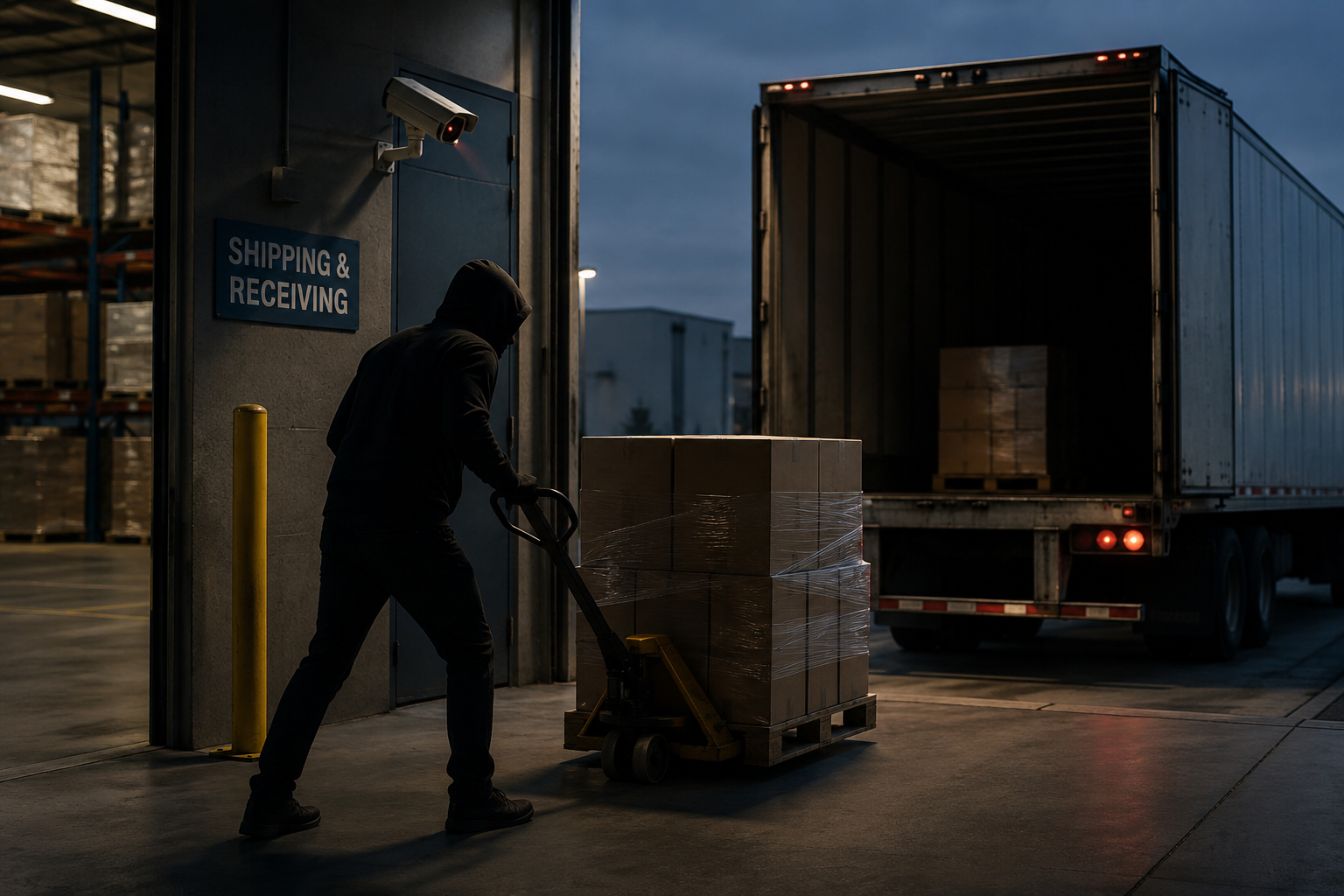
Traditional cargo security was largely designed around opportunistic theft, for example, trailers taken from rest stops, break-ins at unattended yards or cargo removed when a clear opportunity appeared. Better locks, cameras and yard guards still play an important role in those situations.
Organized groups are increasingly operating with more specific targets in mind. Metal thefts rose from 54 to 80 incidents year over year, with copper the most frequent target. Enterprise computing equipment and cryptocurrency mining hardware also remained consistent targets. These commodities are attractive because of their resale value and market demand.
This helps explain why a decline in reported incidents should not create a false sense of security for fleets. If criminals can generate greater returns from fewer, carefully selected loads, the number of thefts may say less about the overall risk than the value and type of cargo being targeted.
A changing threat
At Geotab, we surveyed U.S. fleet operators and found similar signs that the threat is evolving. Nearly a quarter identified strategic theft, including fraud, identity theft and falsified paperwork, as their greatest cargo theft concern. 38% percent said they were more worried about cargo theft than they had been the year before, and 34% had experienced a theft incident in the previous 12 months.
Cargo theft is also becoming increasingly cyber-enabled. Criminals can use stolen credentials to access fleet tracking portals, spoof GPS signals to obscure route diversions and impersonate legitimate operators during the movement of freight. AI-enabled phishing campaigns can also help them manipulate shipping documentation or obtain information about a load.
These tactics connect the digital and physical sides of cargo theft. A theft may still end with a trailer or shipment disappearing, but the information, access or deception that enables it can begin online. When criminals know what is being shipped, where it is going and when it is likely to move, they can select their targets with greater precision.
Taken together, the latest data points to a threat that is more targeted, more informed and increasingly capable of exploiting both physical and digital vulnerabilities. Many traditional cargo security practices were not designed to address that combination.
Closing the protection gap
The challenge for the trucking industry is that security defenses have not always evolved at the same pace as the threats. Geotab’s research found that 58% of fleet operators agree an effective security strategy requires multiple layers of technology working together. At the same time, nearly a quarter still rely primarily on “a strong lock and a vigilant driver.”
Those measures remain important, but they address only part of the risk. A vigilant driver cannot verify a spoofed bill of lading. A strong lock cannot stop a criminal group that has cloned a company identity. Neither can tell a fleet operator that a high-value load is moving somewhere it should not.
Fleets need a broader view of cargo security. That includes understanding who can access shipment information, how loads are authenticated and whether suspicious activity can be identified early enough for someone to intervene.
Building security into daily operations
Near real-time visibility is an important part of that broader approach. It gives fleet operators information they can use during normal operations, rather than limiting technology’s role to recovery after a theft.
GPS tracking across vehicles, trailers and high-value loads can help teams monitor a shipment’s movement. Geofencing can alert them to route deviations, unusual dwell times or entry into high-risk zones. Video telematics can provide context when a door opens or unexpected motion occurs, while anomaly detection can surface off-hours movement or other irregular patterns.
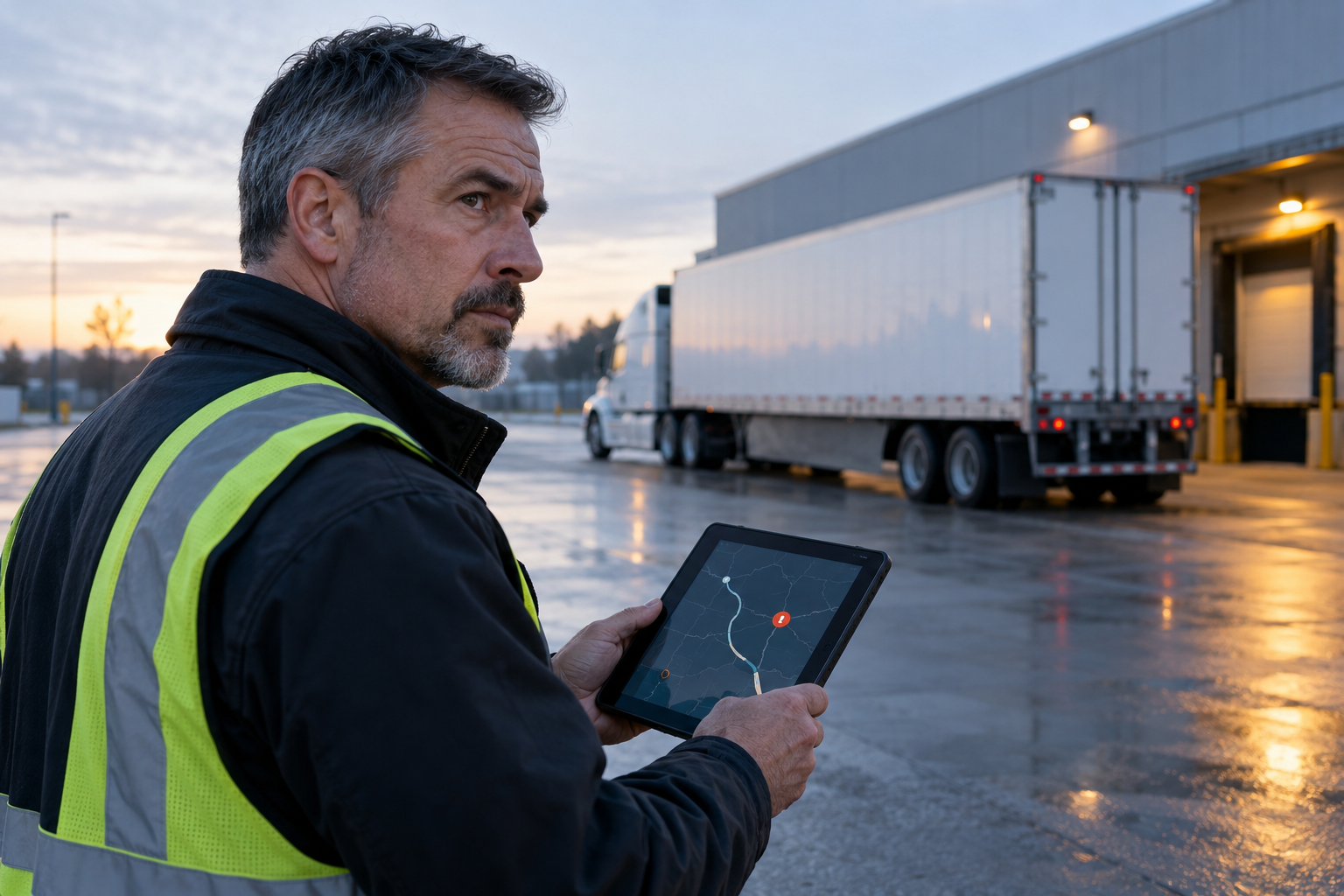
Used together, these capabilities can help a fleet recognize that something is wrong while there is still time to investigate. They also give teams more information to support decisions, coordinate a response and protect other shipments that may face similar risks.
The goal is to build a layered approach that reflects how cargo theft occurs today. Physical security remains essential, but it becomes more effective when supported by shipment authentication, access controls, monitoring and timely information about unusual activity.
The Q2 data should prompt fleet operators to examine whether their defenses match the threat they face today. Fewer reported thefts do not necessarily indicate less risk when criminals are selecting higher-value loads and using digital methods to support physical crime. The more useful question is whether a fleet can recognize a targeted threat early, understand what is happening and act before the shipment is lost.
Emily Williams is Associate Vice President, Transportation Business Development at Geotab. The views expressed are her own and do not necessarily represent The Supply Chainer or its editorial team.