Material Handling Customization and Packaging Efficiency Pressures Converge in Industrial Operations
 By Freddie Bolton · Jun 9, 2026 · 2 min read
Aviation maintenance facilities and high-volume distribution centers are operating under tightening execution tolerances where internal material flows and outbound transit packaging directly determine downtime and compliance exposure. In aircraft engine service bays, non-standard loads and precision positioning create persistent bottlenecks that standard equipment cannot resolve without repeated reconfiguration. On the distribution side, variable order profiles, volumetric shipping charges and incoming regulatory fees on excess packaging material compound labor shortages and inventory carrying costs. These converging pressures are forcing core operators to demand modular mechanical solutions inside the facility and right-sized automation at the packing line, moving beyond generic visibility toward tangible gains in flexibility, waste reduction and decision speed at the point of execution.
FlexQube Secures Aviation Order
FlexQube has secured orders totaling approximately USD 0.9 million from a US aviation industry customer. The mechanical material handling carts in several different configurations will support maintenance and service of aircraft engines. Deliveries will take place gradually from the beginning of the third quarter of 2026 and continue into the beginning of 2027.
Anders Fogelberg, CEO of FlexQube, commented: “We are pleased to continue winning business within advanced industrial production and service operations, where the requirements for flexibility, quality and customization are high. This type of project is a very good fit for FlexQube’s solutions, as our modular and mechanical cart concepts can be adapted to the customer’s specific applications.”
Transit Packaging Shifts Toward Right-Size Automation
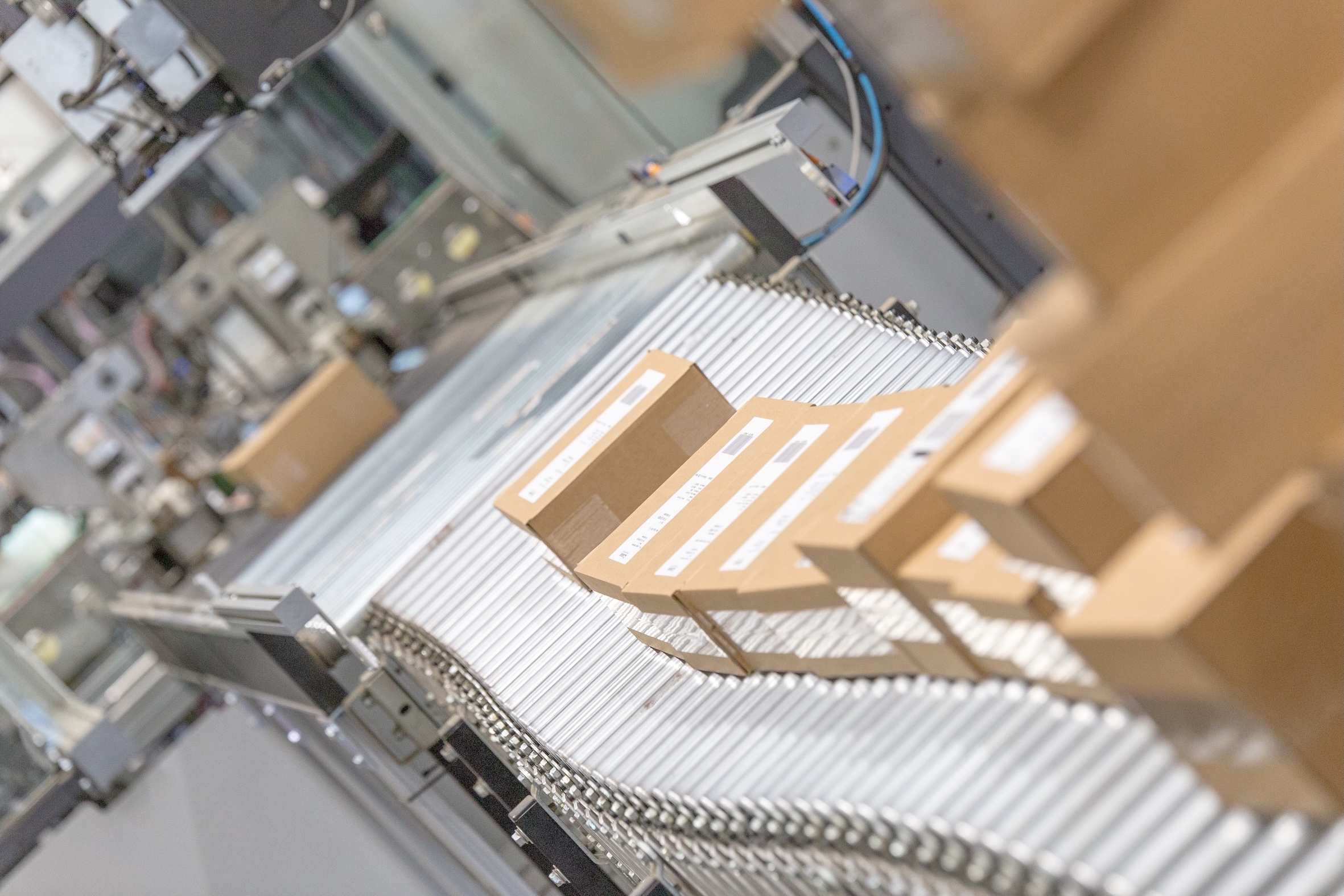
In transit packaging, rising labor costs and environmental regulations are pushing operators toward automated right-size solutions. Chris More, UK Sales Director at Packsize, explained: “It is becoming increasingly hard to attract reliable labour for unglamorous tasks... One or two operators deployed to right-size technology... can do the work of up to 20 manual packers.” He added that these solutions typically “reduce the use of corrugated board by up to 30% and cut void fill required by up to 80%... Reduced volumes also have the potential to decrease road traffic, and well-fitted boxes can also reduce transit damage.”
Previous coverage on The Supply Chainer addressed related material handling execution pressures: “You can’t afford to lose a day to a non-compliant forklift, or find out mid-shift that your mast chain has failed,” said Steve Briscall, National Training Manager at Rushlift.
The global transit packaging market is projected to expand from USD 264.70 billion in 2025 to USD 520.23 billion by 2035, at a CAGR of 6.99%. (Towards Packaging, January 2026). According to PMMI’s 2025 Economic Outlook, over 50% of packaging industry companies are actively investing in automation to address workforce gaps, amid a tight US labor market with nearly one job opening for every unemployed person. (PMMI 2025 Economic Outlook).
Operational Implications
These developments reflect broader execution pressures on core operators and their orbit partners. Modular material handling in demanding environments like aviation and right-sized packaging automation both target flexibility, labor constraints, and waste reduction – delivering direct impact on throughput, carrying costs, and regulatory compliance.