Fleet Managers Navigate Persistent Barriers in Lithium-Ion Battery Transition
 By Charles Weber · May 28, 2026 · 3 min read
Warehouse operators running multi-shift material handling fleets continue to face execution pressure around power system reliability. High upfront costs, infrastructure compatibility issues, and concerns over long-term support create hesitation even as lithium-ion adoption accelerates in high-throughput operations.
Many facilities still operate with legacy charging setups and forklift fleets designed around lead-acid systems. This creates real operational bottlenecks when attempting broader electrification, particularly around electrical capacity upgrades and integration with existing warehouse layouts.
Adoption Patterns Emerge
Simon Wong, Sales Specialist from SISWAY Battery, replied in writing to an inquiry from The Supply Chainer. "Main barriers fleet managers still face when transitioning from lead-acid to lithium-ion batteries in 2026 include higher upfront investment compared with lead-acid systems, concerns about compatibility with existing forklifts, chargers, and warehouse infrastructure, and selecting suppliers with reliable BMS technology and long-term technical support. Areas with the strongest adoption and performance improvements are multi-shift warehouse and logistics operations running 16–24 hours per day. Fast charging capability allows many lithium-ion batteries to reach full charge within 3–4 hours, while opportunity charging during breaks further reduces downtime. Many operators report maintenance labor reductions of over 70% compared with lead-acid batteries due to the elimination of watering, equalization charging, and battery changing. Lithium-ion systems typically improve usable runtime efficiency by 15–30% and help reduce spare battery inventory requirements in large fleet operations. Practical advice for fleet managers is to focus on total operating cost over 3–5 years, not only initial battery price, verify compatibility between battery, charger, and vehicle controller systems, choose experienced suppliers with complete after-sales support, and start with sample projects to evaluate operational improvements before large-scale deployment."
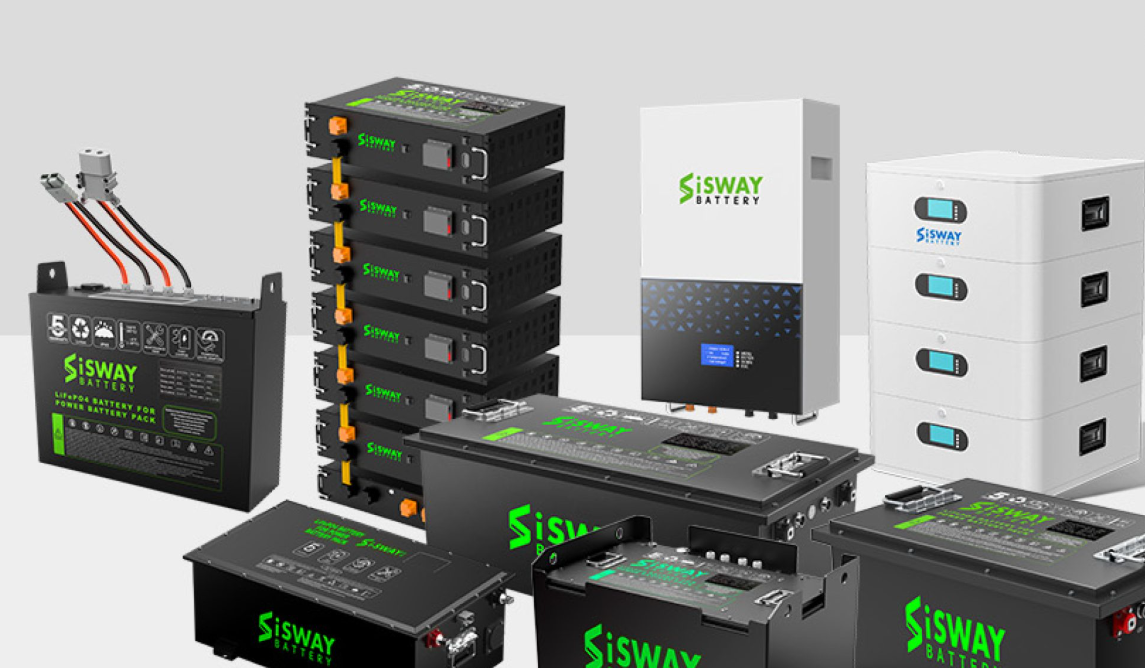
SISWAY Battery supplies lithium-ion battery solutions for material handling equipment.
Mark D’Amato, Vice President of Sales at ENEROC USA, which offers lithium-ion battery systems powered by CATL cells with advanced BMS and nationwide support for North American fleet operators, responded to questions from The Supply Chainer.
"In our conversations with fleet managers across North America, three barriers dominate: upfront capital cost perception, infrastructure uncertainty, and change management inside the operation. Lead-acid looks cheaper on the purchase order. It isn't, not over a 5-year horizon. Lithium has become the default solution when viewed over a 5-year horizon. Multi-shift operations worry about charger placement and electrical capacity, yet modern systems integrate with minimal disruption. Maintenance teams trained on lead-acid routines don’t always welcome the change. The question we hear most is: what does the transition actually look like for my operation, my shifts, my team? Strongest gains appear in opportunity charging in high-throughput environments, maintenance reduction of hundreds of hours per year for larger fleets, and runtime consistency. Lithium delivers stable voltage throughout the discharge cycle. In VNA and tight-aisle applications, weight distribution and consistent power delivery are critical. TCO is often 20-40% lower than lead-acid when energy, maintenance, and labor costs are fully accounted for. Pilot before scaling."
Steve Christensen from Responsible Battery Coalition stated in industry commentary: "As the demand for batteries continues to grow, so must our ability to create a closed-loop system for sourcing, using, recycling, and recovering battery materials. Without a closed-loop system, we remain dependent on foreign sources for battery materials. The shift toward lithium-ion in fleet operations highlights a broader tension between capital investment and long-term labor and uptime gains."
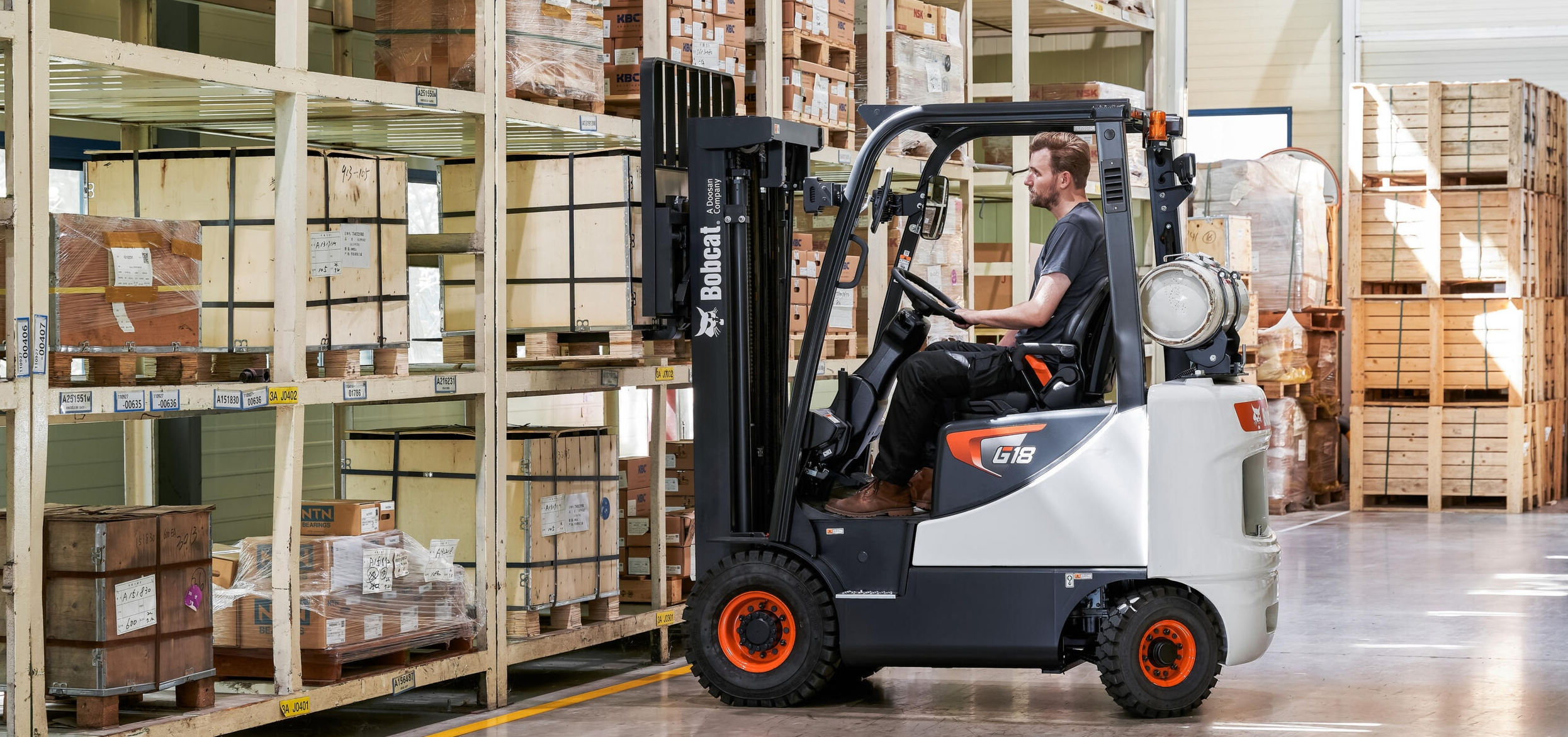
Chris Rodger, National Sales Manager at Rushlift, a UK-based full-service materials handling equipment provider offering sales, servicing, and fleet optimization including Bobcat electric forklifts with lithium-ion options, addressed the operational tradeoffs. "This is an important area for operators managing mixed fleets. The real decision is no longer just the truck but the service infrastructure behind it. Fast-charging lithium-ion models reduce downtime through opportunity charging. Full-service support including regular servicing, breakdown call-out, and fleet performance analysis helps control costs and improve reliability. For many agricultural and industrial operators, evaluating both electric lithium-ion and traditional options alongside comprehensive maintenance maximizes asset value across the lifetime of the fleet. Rushlift works closely with businesses to recommend the most appropriate truck for the task and optimize overall performance."
The shift toward lithium-ion in fleet operations highlights a broader tension between capital investment and long-term labor and uptime gains. Operators who successfully pilot in high-intensity environments often expand faster, yet compatibility and infrastructure hurdles continue to dictate the pace of adoption across the industry.