Fashion Supply Chains Test Robotic Assembly at Scale
 By Sophia Hernandez · Sep 15, 2026 · 2 min read
Moving apparel production from isolated pilot programs to commercial scale requires overcoming the physical unpredictability of raw materials. Retailers are increasingly looking to localized robotic assembly to cut inventory risk, shorten lead times, and reduce their reliance on overseas freight. However, pushing automation past the testing phase exposes significant execution gaps in both manufacturing output and downstream fulfillment.
The physics of fabric
Scaling production from hundreds of units to tens of thousands requires repeatable systems. Cam Myers, founder and CEO of CreateMe, an apparel manufacturing technology company, said in written responses to The Supply Chainer that automation must adapt to physical inconsistencies.
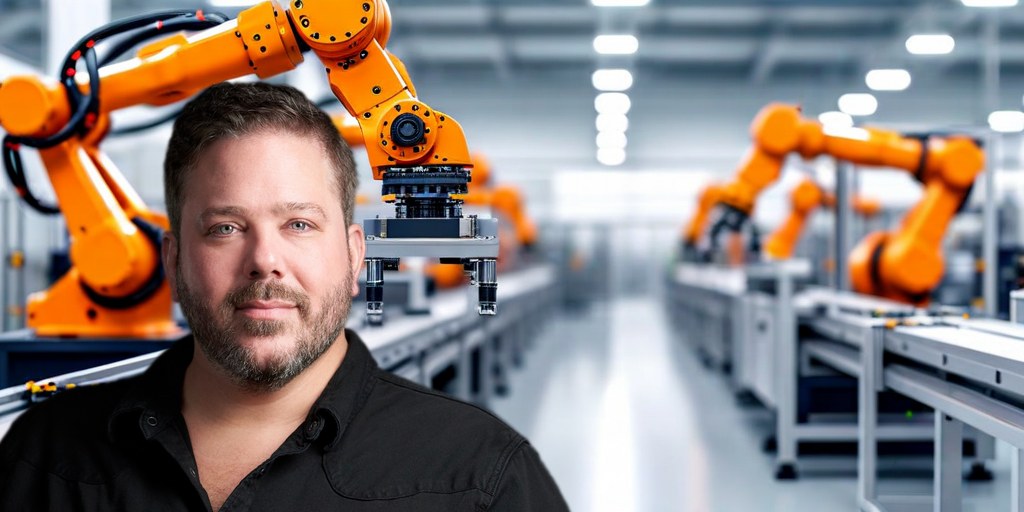
"Moving from a pilot to tens of thousands of garments changes the question from, 'Can a robot make this?' to, 'Can it make thousands of variations reliably, every day?' Apparel is historically difficult to automate because fabric never behaves exactly the same way twice," Myers said. "It stretches, wrinkles, shifts and responds differently depending on the material. At commercial scale, you're also introducing more sizes, colors, fabrics and styles while expecting the same quality and speed on every garment. The challenge is building a system flexible enough to absorb that variation without losing precision or throughput."
Sourcing executives face mounting pressure to reduce overstock and optimize labor. According to data from the Bureau of Labor Statistics, warehouse worker turnover remains high at 36 percent annually, pushing operators to automate repetitive tasks. Automated modular production systems aim to shift this labor model, replacing manual sewing lines with technical roles focused on monitoring robotic cells and troubleshooting equipment.
Variability breaks standard logic
While localized manufacturing solves upstream production hurdles, operators maintain a contrasting view regarding downstream realities. Producing garments quickly is only half the equation. The massive variability in packaging, seasonal surges, and strict brand protocols creates intense friction on the warehouse floor that simple assembly speed cannot solve.
Evgeny Gorelov, CEO of Bergen Logistics, a third-party logistics provider specializing in apparel, told The Supply Chainer in a previous written response that facility operators struggle to standardize the final stages of the supply chain.
"Fashion and lifestyle fulfillment operates on brand promise as much as throughput metrics. At Bergen Logistics, we manage millions of SKUs annually across a portfolio of premium DTC and wholesale brands, each with distinct handling standards that go far beyond pick-and-pack," Gorelov said. "The challenge isn't volume, it's variability. One brand requires poly mailers with tissue wrapping and branded stickers. Another needs full garment inspection, steaming, and hang-tag replacement before ship. A third runs weekly flash collections that require pre-kitting 72 hours before launch. Standard fulfillment logic breaks when every client operates as a separate operational ruleset."
Shifting the inventory risk
Automation is shifting from simply increasing units per hour to removing risk from the entire supply chain network. By digitally bonding seams instead of traditional stitching, newer robotic modules can assemble garments faster and closer to end consumers.
Yet the true test remains execution. The systems must adapt to real commercial pressure, meaning localized automation has to deliver manufacturing consistency without getting bottlenecked by the complex handling standards required before the product reaches the final customer.