Amazon Doubles Down on Warehouse Robotics With New Georgetown Sortation Centre
 By Hannah Kohr · Aug 6, 2026 · 3 min read
Amazon's continued investment in robotic sortation centres is reinforcing a broader shift across warehouse automation. The company is planning a new robotics-equipped sortation facility in Georgetown, Texas, designed to speed order processing and improve delivery performance through greater use of automation.
"Our team is in the early stages of bringing a new operations facility to Georgetown - one that would provide local customers with faster delivery of everyday essentials while creating new jobs in the community," said Austin Stowe, spokesperson for Amazon. "We're working with local officials on this project and look forward to sharing more details as plans develop."
While the first wave of warehouse automation focused on replacing manual tasks with autonomous machines, industry experts now argue that competitive advantage will increasingly depend on how well entire warehouse operations function as integrated, continuous systems rather than on the number of robots deployed.

According to Prof. Mor Peretz, Co-Founder and CEO of CaPow, the next stage of warehouse automation is less about adding more robots and more about eliminating the operational constraints that prevent existing fleets from reaching their full potential. The company says that although autonomous robots already perform transport, replenishment and sortation tasks effectively, much of their time is still lost waiting for batteries to recharge, traffic congestion to clear, or upstream processes to finish.
Operational Bottlenecks Replace Labour as the Main Challenge
Rather than viewing robotics as a labour replacement project, CaPow argues that successful automation requires redesigning warehouse operations around continuous flow.
According to the company, introducing robots into an existing facility is rarely the most difficult part of an automation project. The greater challenge lies in integrating robotics with existing traffic patterns, charging infrastructure, warehouse software, inventory flows and labour planning without creating new bottlenecks.
As robotic technology has matured, these surrounding operational constraints have become the primary limitation on warehouse performance. Simply deploying additional robots may increase congestion if the underlying process remains unchanged.
"The objective isn't to automate a task. It's to remove the constraint that limits throughput," Prof. Peretz said in written comments to The Supply Chainer.
Human Expertise Evolves Alongside Automation
Despite rapid advances in warehouse robotics, CaPow does not expect human involvement to diminish. Instead, warehouse employees will increasingly focus on workflow design, exception handling and continuous operational improvement while robots execute repetitive physical tasks.
The company argues that future warehouse performance will depend less on individual robotic capabilities and more on how intelligently entire operations are orchestrated. Future fulfilment centres, it says, will increasingly treat robotics, software, inventory, energy management and human operators as interconnected components of a single operating system rather than as separate technologies.
Electrification Extends Beyond the Warehouse
The move toward integrated, continuous logistics operations is also influencing transport activities outside warehouse walls.
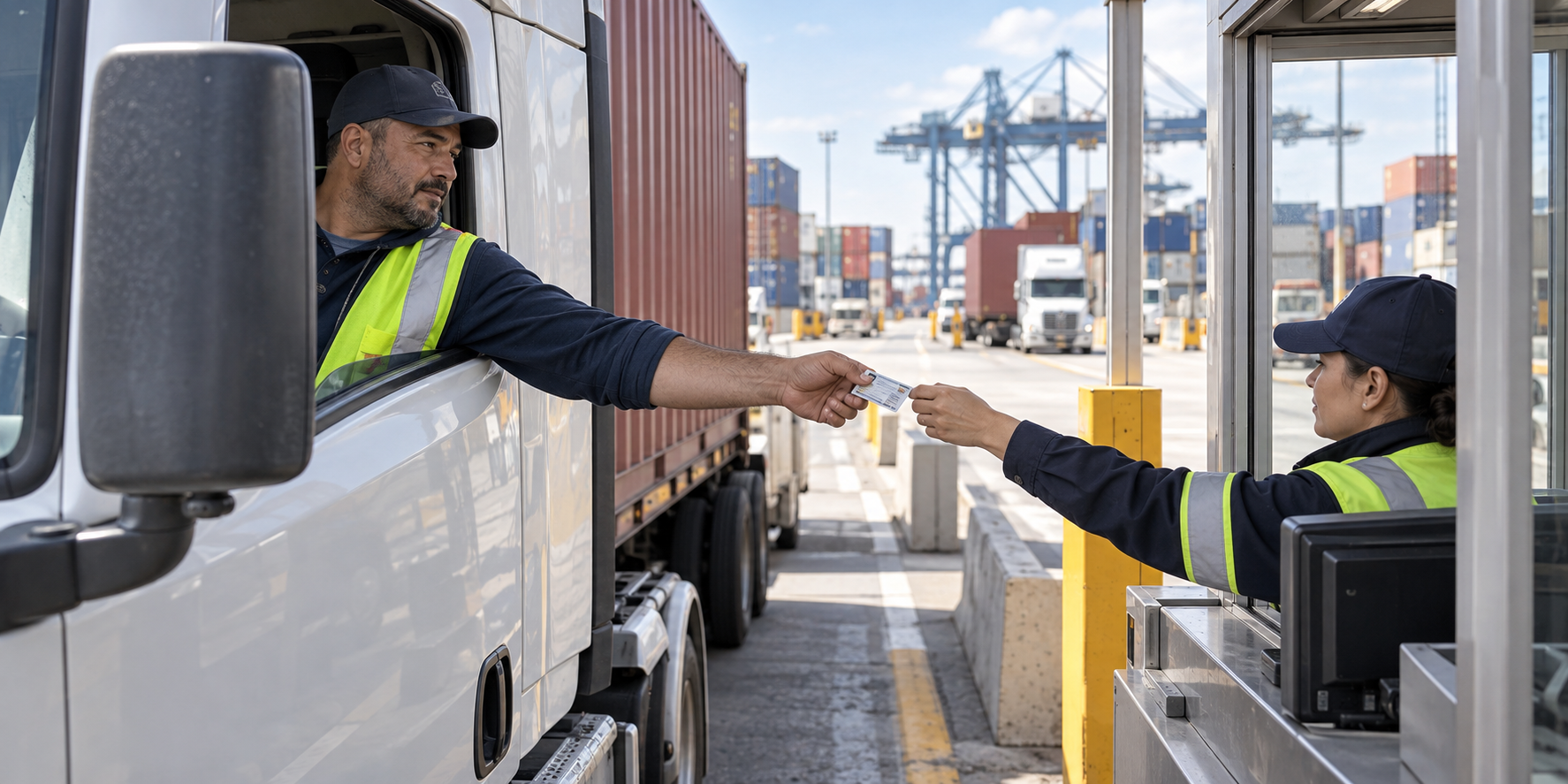
This week, DM Transport announced the deployment of its first battery-electric Volvo FH Electric truck for container shunting at the Port of Rotterdam. Operating in partnership with QTerminals Kramer Rotterdam and Ocean Network Express (ONE), the vehicle builds on an existing HVO100 biofuel programme and will help the company evaluate battery-electric transport under demanding day-to-day port conditions while supporting its broader fleet electrification strategy.
Although focused on port logistics rather than warehouse automation, the initiative reflects the same industry trend highlighted by CaPow - improving the performance of the overall logistics system rather than optimising individual assets in isolation.
As retailers and logistics providers continue investing in automation, the industry's focus appears to be shifting from deploying more robots to building facilities where robotics, energy, software and human expertise operate as a coordinated, continuously improving system.