Crew Workload Surges as Maritime Disruptions Demand Real-Time Decision-Making
 By Alex Badmington · Jun 14, 2026 · 3 min read
Seafarers are no longer managing predictable, routine risks. Instead, they face fast-moving operational changes that require constant coordination with shore-based teams, real-time rerouting decisions, and sustained attention during extended periods of uncertainty.
From Routine Operations to Crisis Navigation
The shift has been structural. Crews that once followed established routes and schedules now operate in environments where port access, canal transit, and fuel availability can change within hours.
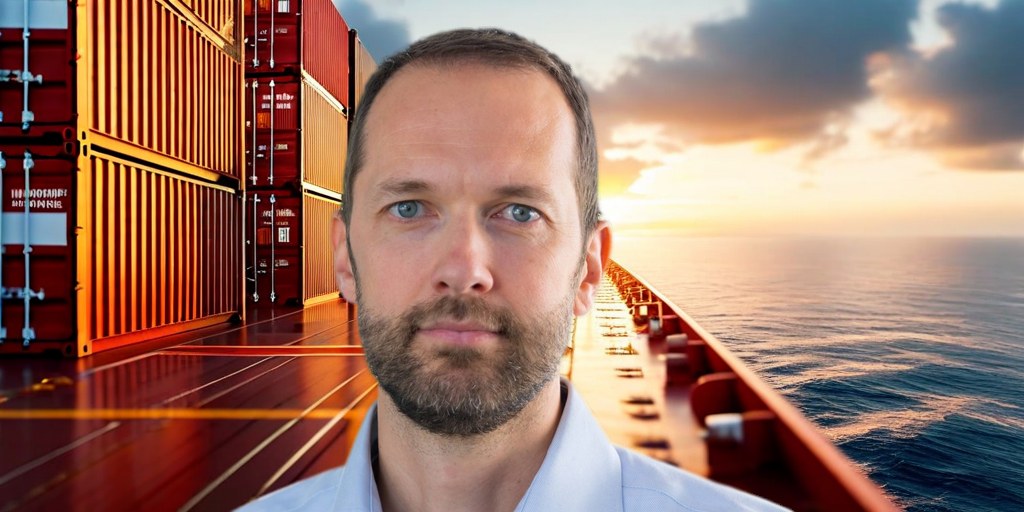
"Disruptions are not new to the industry, but the pace and the complexity have changed," said Leonardo Sonzio, Head of Fleet Management & Technology at A.P. Moller - Maersk, in written responses to The Supply Chainer. "Seafarers have gone from managing somewhat predictable, routine risks to navigating fast-moving, complex and often unpredictable disruptions."
The operational consequences extend beyond logistics. Crews face longer voyages, unplanned port calls, and repeated schedule changes that increase physical fatigue and reduce predictability in personal planning.
Sonzio noted that the pressure goes beyond operational complexity. "In recent years, disruptions such as the pandemic and geopolitical conflicts have not only challenged and caused strain on seafarers' physical safety, but also their mental wellbeing and resilience, which tend to be overlooked," he said. "However, these aren't abstract issues - they may have serious consequences for seafarers' health and ultimately impact the safety of the crew and the vessel."
Real-Time Coordination Increases Cognitive Load
Mid-voyage rerouting and port coordination have become standard practice during periods of regional instability. Those adjustments require crews to manage new documentation, fuel calculations, customs procedures, and shore-side communication - often while maintaining normal vessel operations.
Jukka Schulz, Global Head of Procurement at Wallenius Wilhelmsen, described similar operational pressures in a previous article on The Supply Chainer. "When you have to reroute mid-voyage, you're not just changing course - you're recalculating fuel, coordinating with new ports, managing crew schedules, and keeping cargo owners informed," Schulz said. "That coordination workload adds up fast, especially when you're doing it repeatedly across a fleet."
The increase in coordination tasks has coincided with expanded digital connectivity onboard. While real-time communication with shore enables faster decision-making, it also increases the volume of information crews must process and prioritize.
Sonzio explained the tradeoff clearly. "Digital tools have strengthened both operations and crew welfare," he said. "Real-time communication with shore enables faster decision-making and coordinated response in times of crisis, while continuous connectivity allows seafarers to stay in close contact with their families. However, that same connectivity also increases the information flow, requiring stronger filtering and clear, trusted communication channels onboard."
Mental Health and Onboard Culture as Operational Factors
Shipping operators are beginning to treat psychological safety as a core operational variable rather than a secondary concern. Maersk has prioritized investments in connectivity, mental health support, and transparent communication systems as part of crew retention and operational reliability strategies.
"It's a key priority for us at Maersk to continue our investments in connectivity, mental health support, and transparent communication systems," Sonzio said. "At the same time, we are investing in the culture onboard - empowering crews, strengthening onboard leadership, and treating psychological safety as a core safety factor. Future talent will expect to be informed, supported, and trusted - not just operationally, but as individuals."
The emphasis on psychological safety reflects broader recognition that crew performance under sustained operational pressure depends on more than technical training. Clear communication, decision-making autonomy, and shore-based support all influence how effectively crews manage disruptions without burnout or safety incidents.
As disruptions become structurally embedded in maritime operations rather than exceptional events, the industry is recalibrating expectations around crew workload, decision-making authority, and support infrastructure. The next generation of maritime talent will likely require both expanded technical capabilities and stronger organizational systems designed to sustain performance under continuous uncertainty.